 0
0
 0
0
December 4, 2025
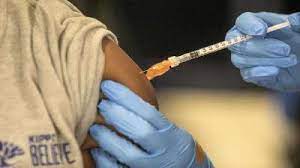
In a finding that experts are calling potentially “groundbreaking,” a widely used vaccine designed to prevent painful skin rashes may have a profound, unintended benefit: protecting the aging brain.
A major new study published Tuesday in the journal Cell suggests that the recombinant shingles vaccine (Shingrix) not only reduces the risk of developing dementia but may also slow disease progression in patients who have already been diagnosed. Researchers found that individuals with dementia who received the vaccine were nearly 30% less likely to die from the condition over a nine-year period compared to those who were unvaccinated.
These findings build upon a related study published in Nature earlier this year, which found a 20% reduction in new dementia diagnoses among vaccinated adults. Together, the research offers some of the most compelling evidence to date that viral protection may play a key role in preserving cognitive health.
Unexpected Protection
The research, led by Pascal Geldsetzer, an epidemiologist and professor at Stanford University, utilized a unique “natural experiment” in Wales to eliminate common biases that often plague observational studies. By analyzing health records from a period when vaccine eligibility was determined strictly by date of birth, researchers could compare two nearly identical groups of people whose only major difference was whether they were eligible for the shot.
The results of the new Cell analysis were striking. Beyond preventing the onset of dementia, the vaccine appeared to modify the disease’s trajectory.
-
Prevention: Cognitively healthy recipients were significantly less likely to develop mild cognitive impairment (MCI), often a precursor to Alzheimer’s disease.
-
Progression: Among those already living with dementia, vaccination was associated with a 25-30% reduction in dementia-related deaths.
“The most exciting part is that this really suggests the shingles vaccine doesn’t have only preventive, delaying benefits for dementia, but also therapeutic potential for those who already have dementia,” Geldsetzer said.
The “Natural Experiment”
One of the longstanding challenges in linking vaccines to dementia risk is the “healthy user bias”—the idea that people who get vaccinated are generally more health-conscious, exercise more, and eat better than those who don’t.
To bypass this, the Stanford team focused on the Welsh vaccination rollout. Eligibility was determined by a strict age cutoff: those born before September 2, 1933, were ineligible, while those born on or after that date could receive the shot.
“Because of the unique way in which the vaccine was rolled out, bias in the analysis is much less likely than would usually be the case,” Geldsetzer explained. “The signal in our data was so strong, so clear and so persistent.”
Why Would a Shingles Vaccine Help the Brain?
The biological mechanism remains under investigation, but leading theories focus on the varicella-zoster virus (VZV), which causes chickenpox in children and remains dormant in the nervous system.
When VZV reactivates later in life, it causes shingles. However, even without a visible rash, viral reactivation may cause subtle neuroinflammation—a known driver of Alzheimer’s and other dementias. By suppressing the virus, the vaccine may prevent this chronic inflammation.
Another theory suggests “off-target” effects, where the vaccine’s potent adjuvant (an ingredient that boosts immune response) trains the immune system to better clear toxic proteins like beta-amyloid or tau, which accumulate in the brains of dementia patients.
Dr. Maxime Taquet, a clinical psychiatrist at the University of Oxford who has conducted separate research into Shingrix and dementia risk, expressed cautious optimism. “If these findings are confirmed… then this would be groundbreaking for dementia,” Taquet said. “I think there’s no other word for it.”
Expert Perspectives and Caution
While the results are promising, experts urge caution before viewing the vaccine as a “cure.” Dr. Anupam Jena, a professor of health care policy at Harvard Medical School, noted the serendipitous nature of the discovery.
“Obviously, the vaccine was not designed or optimized to prevent dementia, so this is sort of an incidental finding,” Jena said. “In some ways, we are being lucky.”
Jena also highlighted that while the reduction in mortality is significant, it does not necessarily mean the vaccine reverses memory loss, but rather that it may slow the physiological decline that leads to severe complications, such as aspiration or inability to self-care.
Implications for Public Health
Currently, the Centers for Disease Control and Prevention (CDC) recommends two doses of Shingrix for adults aged 50 and older. With approximately 57 million people worldwide living with dementia and nearly 10 million new cases annually, a repurposed, widely available vaccine could be a game-changer.
Previous research by Taquet and colleagues, published in Nature Medicine in 2024, found that the newer recombinant vaccine (Shingrix) was associated with a 17% lower risk of dementia compared to the older live vaccine (Zostavax). This suggests the type of vaccine matters, potentially due to the stronger immune response elicited by Shingrix.
For now, the advice from the medical community is consistent: Get vaccinated for shingles to prevent shingles. Any neurological protection is a potential, powerful bonus.
“We just keep seeing this strong protective signal for dementia in dataset after dataset,” Geldsetzer added. He is currently seeking funding for a randomized controlled trial (RCT) to definitively prove causality—a step that would be required to officially recommend the vaccine for dementia prevention.
Medical Disclaimer
Medical Disclaimer: This article is for informational purposes only and should not be considered medical advice. Always consult with qualified healthcare professionals before making any health-related decisions or changes to your treatment plan. The information presented here is based on current research and expert opinions, which may evolve as new evidence emerges.
References
Study Citations:
-
Geldsetzer, P., et al. (2025). “Shingles vaccination and dementia progression.” Cell. Published December 2, 2025.