 0
0
 0
0
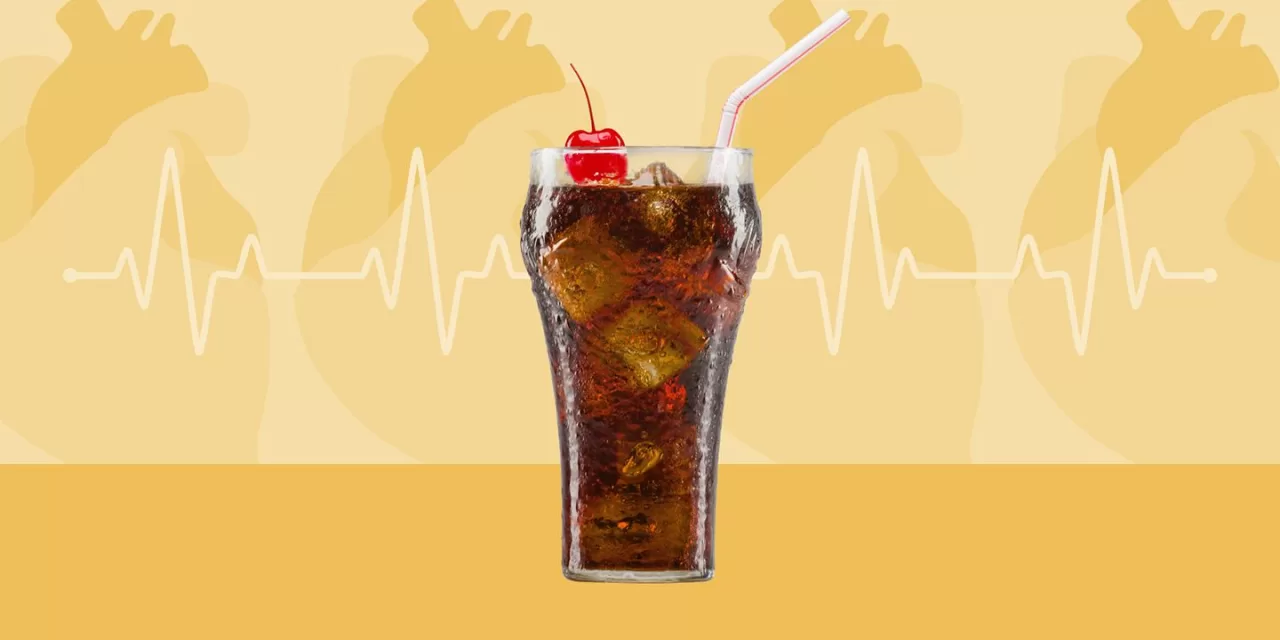
A recent significant study unveiled at United European Gastroenterology (UEG) Week 2025 reveals a concerning link between consumption of both diet (low- or no-sugar) sodas and regular sugary sodas with an increased risk of metabolic dysfunction-associated steatotic liver disease (MASLD), formerly known as nonalcoholic fatty liver disease (NAFLD). The research, involving over 100,000 adults monitored for a decade, found that daily intake of even small quantities of these beverages could raise the risk of developing this increasingly common liver condition by up to 60%, challenging long-held perceptions about the relative safety of diet sodas compared to their sugary counterparts.
Key Findings and Study Details
The study analyzed dietary patterns of 103,251 UK Biobank participants without preexisting liver disease. Participants reported their consumption of sugar-sweetened beverages (SSBs) and low- to no-sugar sweetened beverages (LNSSBs) via repeated questionnaires. After approximately 10 years of follow-up, results showed a 50% increased risk of MASLD for people drinking more than about 250 grams (nearly 9 ounces) daily of sugary drinks. More strikingly, consumption of the same quantity of diet or low-sugar drinks was linked to a 60% increased risk—an unexpectedly higher magnitude than for regular sodas. During this period, 949 participants developed MASLD and 103 died from liver-related causes.
Expert Commentary and Context
Lead author Lihe Liu, a gastroenterology graduate student at Soochow University, China, stressed that sugar-sweetened drinks have long been scrutinized, but diet alternatives are often perceived as healthy or harmless. This research calls that assumption into question. Diet drinks, Liu explained, may influence liver disease risk through mechanisms involving gut microbiome alteration, insulin regulation disruption, and increased sugar cravings, contributing to liver fat accumulation and metabolic dysfunction.
Sajid Jalil, associate professor of gastroenterology and hepatology at Stanford University (not involved in the study), underscored the strength of this prospective cohort study, noting its large sample size, longitudinal data, and validated diagnosis of MASLD. He emphasized the importance of these findings for public health, given MASLD’s rapid rise globally and its link to liver cancer and other chronic diseases.
Background on MASLD and Public Health Implications
MASLD affects approximately 38% of adults in the United States and is steadily increasing worldwide due to rising obesity and diabetes rates. Characterized by excessive fat buildup in liver cells unrelated to alcohol use, MASLD can progress to cirrhosis, liver failure, and hepatocellular carcinoma. Historically linked to sugary drink consumption, the discovery that diet sodas may pose an equal or greater risk is a critical development for dietary guidelines.
Mechanistically, sugary beverages lead to rapid blood glucose spikes and insulin surges, promoting fat accumulation in the liver. In contrast, diet drinks may not directly raise blood sugar but can disrupt metabolic and gut-brain signaling pathways essential for appetite and glucose homeostasis, indirectly fostering liver fat.
Practical Implications for Readers
Health experts advise minimizing consumption of both sugary and diet sodas to reduce MASLD risk. Replacing these beverages with water demonstrated a risk reduction of approximately 13-15% in this study. Other healthier choices include unsweetened teas, infused waters, and sparkling water. The findings suggest that even moderate daily consumption of “healthy” diet sodas is not benign and should be approached with caution.
Dr. Vivian Asamoah, a gastroenterologist, warns that even one soda per day can silently damage the liver over years, often without symptoms until advanced. Regular screening and lifestyle changes focusing on reducing processed sweetened drinks are critical preventative measures.
Balanced Perspective and Limitations
While this study’s prospective design and large cohort add robust evidence, it has limitations. The specific artificial sweeteners responsible were not identified, nor were the brands of drinks consumed, which could vary widely in formulation. Additionally, lifestyle factors and dietary habits might confound results despite adjustments. More research is needed to clarify the biological mechanisms by which diet sodas influence liver health and to determine if all artificial sweeteners carry equal risk.
Conclusion
This landmark study disrupts the common belief that diet sodas are a safer alternative to sugary drinks concerning liver health. Both beverage types were independently associated with a significantly increased risk of MASLD, a prevalent and serious liver disease. For optimal liver health, limiting consumption of sweetened and artificially sweetened beverages and choosing water or unsweetened options remains the most evidence-backed advice.
Medical Disclaimer
Medical Disclaimer: This article is for informational purposes only and should not be considered medical advice. Always consult with qualified healthcare professionals before making any health-related decisions or changes to your treatment plan. The information presented here is based on current research and expert opinions, which may evolve as new evidence emerges.
References