 0
0
 0
0
A groundbreaking new study published in the journal Nature has shed light on a surprising risk for breast cancer survivors: certain respiratory infections, such as the flu and Covid-19, may help reactivate dormant cancer cells in the body, potentially leading to metastatic disease years after initial remission.
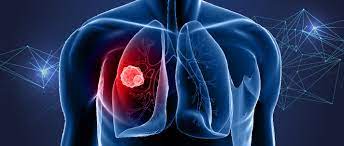
Researchers combined experiments in mice with epidemiological analyses of patient data. Their work explored how the immune system’s response to viral infections in the lungs might awaken hidden cancer cells that had previously escaped detection, causing them to multiply and form metastatic tumors. Notably, the study discovered a correlation between breast cancer survivors who tested positive for Covid-19 and a higher incidence of lung metastases.
Dormant cancer cells are known to linger in the body even after treatments appear successful. Why and when these cells “wake up” has been a persistent mystery in oncology. The new research points to immune system activity triggered by respiratory viruses as a candidate for this reactivation process—especially in breast cancer but potentially in other cancers as well.
Experts who spoke to STAT News commended the research’s insights but cautioned that the science is still in its early stages. These findings may not yet be applicable to all breast cancer subtypes or other forms of cancer. Further research is needed to confirm the results and understand their full implications.
Disclaimer
This article is for informational purposes only and is based on early-stage scientific findings. The study’s results may not apply to all breast cancer patients or to all cancer types. Readers should not alter their medical care based on this information and are advised to consult their healthcare providers for personalized guidance.