 0
0
 0
0
Two recent clinical studies conducted by Fortis C-DOC Hospital for Diabetes and Allied Sciences and the National Diabetes, Obesity and Cholesterol Foundation (N-DOC) in New Delhi have found that controlled consumption of certain Indian mango varieties can offer notable metabolic benefits for individuals with type 2 diabetes (T2D). This challenges the traditional recommendation to avoid mangoes due to their sugar content.
Published in the European Journal of Clinical Nutrition and the Journal of Diabetes & Metabolic Disorders, the studies highlight that replacing refined carbohydrates like white bread with moderate amounts (250 grams daily) of mangoes such as Safeda, Dasheri, and Langra can lead to improved blood sugar control and metabolic health.
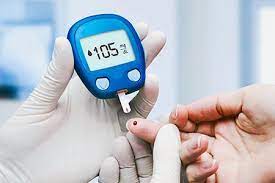
In the first study, 95 participants including both diabetic and non-diabetic individuals underwent Oral Tolerance Tests and Continuous Glucose Monitoring (CGM). Results showed that mangoes produced a similar or lower blood sugar response compared to bread. Importantly, among diabetic participants, mango consumption led to significantly reduced glucose variability, indicating greater glycemic stability.
An 8-week randomized controlled trial with 35 adults having T2D discovered that daily mango intake reduced fasting blood glucose, HbA1c (a long-term glucose marker), and insulin resistance. Additionally, mango consumption lowered body weight, waist circumference, and skinfold thickness—markers of unhealthy fat accumulation—while raising beneficial HDL cholesterol levels.
Dr. Anoop Misra, senior author and Executive Chairman at Fortis C-DOC, said these findings dispel concerns about mangoes adversely affecting metabolism if consumed in controlled amounts within prescribed diets. Dr. Sugandha Kehar, first author, emphasized that mangoes, when included cautiously under medical supervision, may be safely incorporated into diabetic meal plans.
Given India’s high burden of T2D and mango’s cultural prevalence, these studies suggest rethinking dietary guidelines to allow mangoes as a part of calorie-restricted, supervised diets rather than excluding them entirely.
Disclaimer: These findings pertain to monitored consumption of specific Indian mango varieties within prescribed diets under professional supervision. Individuals with diabetes should consult healthcare providers before making any dietary changes.