 0
0
 0
0
Scientists have made a significant breakthrough in understanding the earliest cellular changes associated with Parkinson’s disease—changes that occur years before symptoms become apparent. According to a recent study highlighted by Medical Xpress, researchers have identified specific alterations in brain cells that may signal the onset of Parkinson’s long before traditional motor symptoms emerge.
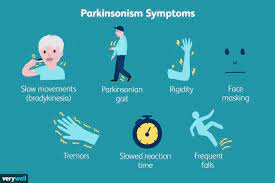
Parkinson’s disease is a progressive neurodegenerative disorder characterized by the loss of dopamine-producing neurons in a brain region called the substantia nigra. This loss leads to classic symptoms such as tremors, muscle stiffness, and slowed movement. However, the disease process begins much earlier, with subtle cellular changes happening up to two decades before symptoms are noticeable.
The new research focuses on understanding these early cellular events. By studying both animal models and human cells, scientists have observed that changes in cellular function—such as reduced electrical activity and protein aggregation—occur well before any clinical signs of Parkinson’s. These findings open the door to developing new diagnostic tools and therapies that could intervene at the earliest stages of the disease, potentially halting or slowing its progression.
Current treatments for Parkinson’s, such as levodopa, primarily address symptoms rather than the underlying disease process. The hope is that by targeting these early cellular changes, future therapies could prevent or significantly delay the onset of debilitating symptoms.
The study also underscores the importance of ongoing research into biomarkers—measurable indicators of disease—such as misfolded alpha-synuclein proteins, which can be detected in cerebrospinal fluid or even potentially in blood or skin samples. Early detection could revolutionize how Parkinson’s is managed, offering the possibility of preemptive treatment before significant neuronal loss occurs.
Disclaimer:
The information in this article is based on recent scientific research and is intended for educational purposes only. It is not a substitute for professional medical advice, diagnosis, or treatment. Always consult your healthcare provider with any questions regarding a medical condition. The findings described may require further validation before becoming standard clinical practice.