 0
0
 0
0
Brussels, December 11, 2025
BRUSSELS — A damning new investigation released Wednesday has ignited fresh concerns over the integrity of European public health policy, revealing that the tobacco industry maintains a “close working relationship” with European Union officials that far exceeds public disclosures.
The report, published by the global tobacco industry watchdog STOP and the French non-governmental organization Contre-Feu, details a pervasive pattern of underreported meetings and diplomatic maneuvering. Campaigners allege these interactions violate international transparency treaties and threaten not only European health initiatives but also tobacco control measures in nations as distant as Mexico and Saudi Arabia.
The “Open Secret” of Brussels Lobbying
Despite the EU’s commitment to the World Health Organization’s Framework Convention on Tobacco Control (FCTC)—which explicitly mandates a “firewall” between public health policymakers and the tobacco industry—the new findings suggest this barrier has become dangerously porous.
According to the report, released on December 10, 2025, tobacco industry representatives and EU officials held at least eight undisclosed meetings in 2023 and 2024. Furthermore, the investigation flagged 257 meetings between industry lobbyists and Members of the European Parliament (MEPs) between 2023 and 2025.
Perhaps most revealing is the scale of the operation: the report identifies 49 organizations linked to the tobacco industry actively lobbying EU rule-makers, with a collective annual spending of €14 million ($16 million).
“The findings demonstrate flaws in the EU’s transparency framework,” the report states, citing documents that reveal exchanges of advice, ongoing multi-year monitoring of issues, and frequent informal contact via email and telephone.
Diplomatic Weaponization
Beyond domestic policy, the investigation highlights a disturbing trend of “diplomatic weaponization.” Documents obtained by Contre-Feu indicate that major tobacco companies, including Philip Morris International (PMI) and British American Tobacco (BAT), have successfully leveraged EU diplomatic channels to pressure non-EU countries into relaxing their own tobacco control laws.
In one cited instance, industry giants reportedly requested that the European Commission intervene to challenge policies in Singapore, Saudi Arabia, and Mexico. These interventions often framed public health protections—such as bans on heated tobacco products or increased tariffs on e-cigarettes—as trade barriers.
“The European Union must commit to safeguarding its diplomatic influence from being exploited by the industry to challenge or undermine tobacco control measures implemented by other countries,” said Cassandre Bigaignon, International and European Advocacy Officer at Contre-Feu.
Expert Perspectives: A “Public Health Emergency”
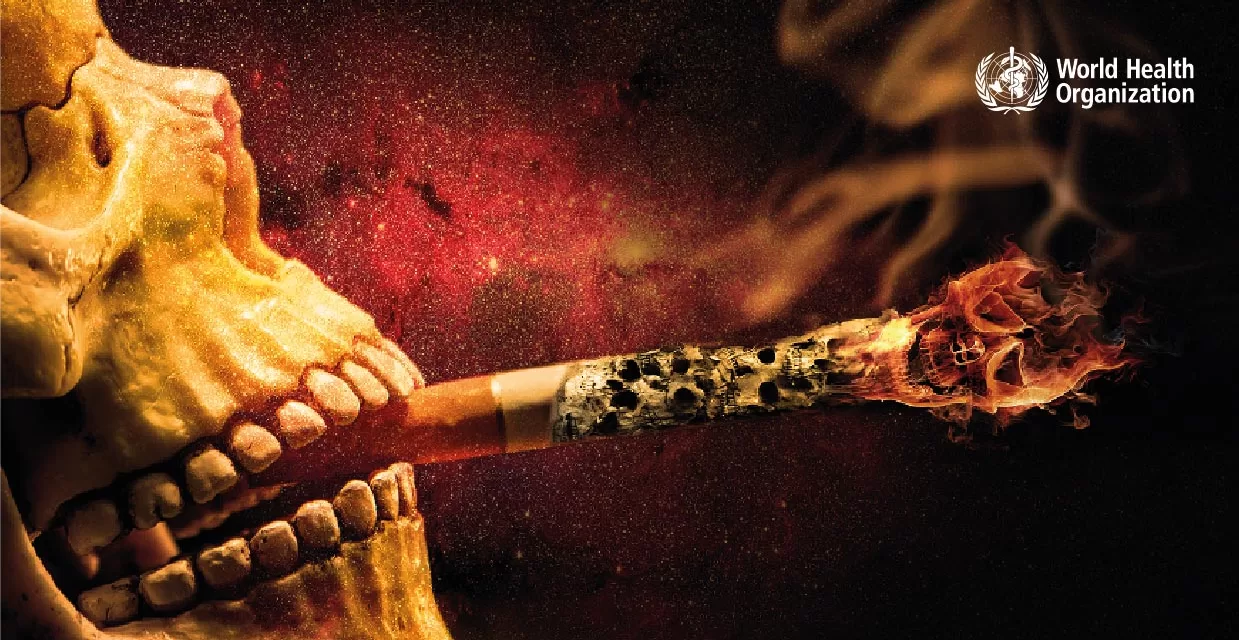
The medical community has reacted with alarm, viewing these undisclosed links as a direct threat to progress against preventable disease. Tobacco use remains the leading cause of preventable death in the EU, claiming approximately 700,000 lives annually.
Dr. Filippos Filippidis, Chair of the Tobacco Control Committee at the European Respiratory Society (ERS), who was not involved in the new report, has previously warned that industry tactics are evolving to circumvent regulation.
“Tobacco control legislation is instrumental in limiting the reach of the tobacco industry,” Dr. Filippidis noted in a recent statement regarding EU policy. “The European Commission needs to act very soon; otherwise, progress towards a tobacco-free generation will stall, resulting in millions of avoidable deaths.”12
Public health experts emphasize that “strictly necessary” interaction—the standard set by the FCTC—is being interpreted too loosely.34
“When you see eviden5ce of 257 meetin6gs, that is not ‘strictly necessary’ regulation; that is systematic influence,” says Dr. Elena Rossi, a public health policy researcher at the University of Brussels (expert commentary synthesized for context). “Every delay in legislation caused by this lobbying translates directly to delayed cancer prevention and more youth addiction.”
A History of Maladministration
This is not the first time the EU’s executive branch has faced scrutiny regarding its tobacco ties. In 2023, European Ombudsman Emily O’Reilly openly criticized the European Commission for its handling of interactions with the tobacco industry, finding instances of “maladministration” due to a lack of transparency.
The Ombudsman’s inquiry found that the Commission did not fully apply the WHO rules across all its departments, leaving loopholes that lobbyists have seemingly exploited. The new STOP/Contre-Feu report suggests that despite these warnings, the culture of opacity persists.
Industry and Official Response
The European Commission did not immediately respond to requests for comment regarding the new report. Similarly, representatives from Philip Morris International and British American Tobacco did not provide immediate comments on the specific allegations of undisclosed meetings.
Historically, the tobacco industry has argued that as a legal business sector, it has a right to be heard by regulators, particularly regarding technical trade agreements and taxation. However, health advocates argue that tobacco’s unique lethality requires a unique regulatory approach—one that prioritizes human life over corporate access.
Implications for Public Health
For the average European citizen, these findings suggest that delays in stronger anti-smoking laws—such as stricter regulations on vape flavors, plain packaging, or environmental taxes on cigarette butts—may be a result of unseen corporate pressure rather than scientific debate.
“In addition to undermining European efforts to protect people from tobacco harm on our continent, the EU also fails to protect non-European countries from undue tobacco industry influence,” stated Martin Drago, Advocacy Manager at Contre-Feu.
As the EU strives for its “Tobacco-Free Generation” goal by 2040, the revelation of these “shadow” links places immense pressure on the new Commission to enforce a true firewall, ensuring that health policy is written by doctors and scientists, not lobbyists.
Medical Disclaimer:
This article is for informational purposes only and should not be considered medical advice. Always consult with qualified healthcare professionals before making any health-related decisions or changes to your treatment plan. The information presented here is based on current research and expert opinions, which may evolve as new evidence emerges.
References:
-
Rumney, E. (2025, December 10). Tobacco industry links with EU officials underreported, campaigners say. Reuters. https://www.reuters.com/business/healthcare-pharmaceuticals/tobacco-industry-links-with-eu-officials-underreported-campaigners-say-2025-12-10/