 0
0
 0
0
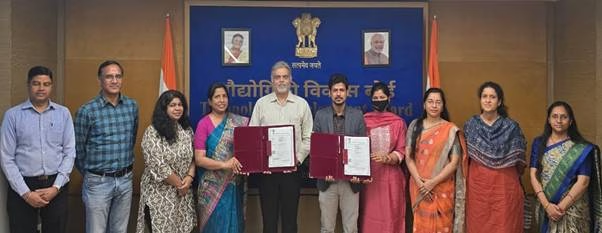
CUTTACK, INDIA — In a significant move to bolster pediatric primary care, the Technology Development Board (TDB) of India has announced financial backing for a breakthrough diagnostic platform designed to rapidly identify the cause of childhood diarrhea. The project, led by Odisha-based BabyCue Private Limited, introduces a “lab-on-paper” technology that could fundamentally change how intestinal infections are managed in resource-limited settings.
The innovation arrives at a critical juncture for global health. Diarrheal diseases remain the second leading cause of death in children under five years old, claiming approximately 443,000 lives annually, according to the World Health Organization (WHO). In India, where the burden is particularly high, the inability to quickly distinguish between bacterial and viral infections often leads to the “just-in-case” administration of antibiotics—a practice that fuels the rising tide of antimicrobial resistance (AMR).
The Science: Moving the Lab to the Bedside
The newly developed DiaCue Diagnostic Kit utilizes Lateral Flow Assay (LFA) technology—the same scientific principle behind rapid COVID-19 tests and home pregnancy kits. However, instead of detecting respiratory viruses or hormones, this platform targets disease-specific fecal biomarkers.
The process is designed for simplicity and speed:
-
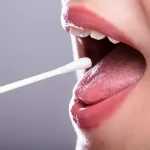
Collection: A small stool sample is taken via a swab.
-
Extraction: The sample is mixed with a proprietary buffer solution.
-
Detection: The liquid is applied to a paper strip treated with gold nanoparticles.
-
Visualization: Within minutes, a colorimetric change (visible lines) indicates whether the infection is bacterial or non-bacterial.
By using gold nanoparticle-based detection, the kit eliminates the need for electricity, expensive microscopy, or specialized laboratory technicians. This “equipment-free” approach is specifically engineered for rural health centers and field clinics where traditional diagnostic infrastructure is often non-existent.
Curbing the “Silent Pandemic” of AMR
One of the most significant implications of the DiaCue platform is its potential to preserve the efficacy of existing antibiotics.
“When a child presents with acute diarrhea, the pressure on a clinician to act quickly is immense,” explains Dr. Arpan Mehta, a pediatric infectious disease specialist not involved in the project. “Without a rapid test, many providers prescribe antibiotics empirically. If the cause is viral—which it often is—the antibiotics are useless against the infection but highly effective at training bacteria in the gut to become resistant.”
According to the Indian Council of Medical Research (ICMR), antimicrobial resistance is a growing public health crisis in the region. By providing a definitive “bacterial vs. non-bacterial” answer in minutes, the DiaCue kit allows healthcare providers to withhold antibiotics when they aren’t needed, reserving them for cases where they are truly life-saving.
Collaboration and Validation
The journey of the DiaCue kit from concept to commercialization is a testament to the “Make in India” initiative. Developed in collaboration with the National Institute of Pharmaceutical Education and Research (NIPER) Hyderabad, the technology has already undergone clinical validation at ESIC Hospital Hyderabad.
The proprietary biomarker methodology is currently protected under international patent filings, ensuring that the indigenous innovation remains a competitive asset in the global medical device market.
Shri Rajesh Kumar Pathak, Secretary of the TDB, emphasized the strategic importance of the project: “Indigenous innovations in rapid diagnostics are essential for strengthening primary healthcare delivery. By supporting the DiaCue platform, we aim to promote affordable, accessible, and technology-driven healthcare solutions that address critical challenges like childhood diarrhea.”
Limitations and Practical Considerations
While the DiaCue kit represents a major leap forward, experts urge a balanced perspective on its implementation.
-
Complementary, Not Replacement: While the kit identifies the type of infection, it does not currently replace the need for traditional stool cultures in complex or chronic cases where identifying a specific bacterial strain (like Vibrio cholerae or Salmonella) is necessary for outbreak tracking.
-
Hydration Remains Key: Public health officials remind parents that regardless of the test result, the cornerstone of diarrhea treatment remains Oral Rehydration Therapy (ORT). A diagnostic tool helps determine if antibiotics are needed, but it does not replace the immediate need to prevent dehydration.
-
Storage and Shelf Life: For a paper-based platform to be effective in rural India, it must withstand high humidity and temperature fluctuations. The long-term stability of the reagents in extreme field conditions will be a critical factor in its widespread success.
Looking Ahead: A Model for Global Health
The support from the Department of Science & Technology (DST) will allow BabyCue Private Limited to scale its manufacturing capabilities and begin a wider deployment across the country. For parents and caregivers, this could eventually mean that a trip to a local clinic results in an immediate, evidence-based treatment plan rather than a stressful wait for lab results or an unnecessary prescription.
As the project moves into its commercial phase, it serves as a blueprint for how biotechnology can be “democratized”—taking complex molecular science and folding it into a simple piece of paper that can save a child’s life.
Reference Section
Official Sources & Reports:
-
Press Information Bureau (PIB) Delhi: “TDB-DST supports BabyCue Pvt. Ltd. for development of rapid diagnostic platform for childhood diarrhea,” Published March 09, 2026.
Medical Disclaimer: This article is for informational purposes only and should not be considered medical advice. Always consult with qualified healthcare professionals before making any health-related decisions or changes to your treatment plan. The information presented here is based on current research and expert opinions, which may evolve as new evidence emerges.