 0
0
 0
0
May 3, 2025
A groundbreaking new probiotic may soon make eating seafood safer by helping the body eliminate toxic mercury, according to a recent study from scientists at UCLA and UC San Diego’s Scripps Institution of Oceanography.
Tackling Methylmercury in Seafood
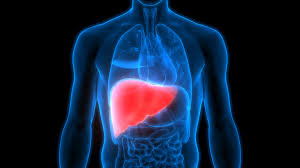
Seafood, especially large predatory fish like tuna, is a healthy source of protein and omega-3 fatty acids. However, it can also contain methylmercury-a highly toxic form of mercury that accumulates in the body and can harm the brain, liver, and developing fetuses.
To address this risk, researchers engineered a common gut bacterium, Bacteroides thetaiotaomicron, by adding DNA from a mercury-resistant soil microbe. This enhancement allows the bacterium to produce enzymes that detoxify methylmercury before it spreads throughout the body.
Promising Results in Mice
The team first tested the engineered bacteria in laboratory dishes and then introduced it into the digestive systems of mice that had their natural gut microbes removed. When these mice were exposed to high doses of methylmercury, intestinal mercury levels dropped significantly within three hours and continued to fall over four days.
Even when fed a diet rich in bluefin tuna-one of the fish highest in methylmercury-the probiotic continued to work, reducing mercury in the intestines, brain, and liver.
The probiotic was also tested in pregnant mice. Results showed lower methylmercury levels in both mothers and their developing fetuses, with fewer signs of brain damage in the offspring. “By reducing dietary methylmercury in the intestine, the gut bacteria helped to eliminate it from the body before it could enter the maternal bloodstream and access the developing offspring,” explained first author and UCLA research scientist Kristie Yu.
Works With Regular Gut Microbiome
Importantly, the probiotic was effective even when mice retained their normal gut microbes, suggesting it could work as a supplement without disrupting the natural microbiome.
“We envision the possibility that people could take a probiotic to offset the risk of consuming too much methylmercury, especially when pregnant,” said Elaine Hsiao, director of the UCLA Goodman-Luskin Microbiome Center.
Looking Ahead
Mercury pollution, primarily from human activities such as coal burning and industrial waste, has led to persistent methylmercury in the oceans. Despite global efforts to reduce emissions, methylmercury levels in seafood are not expected to decline soon. This new probiotic could offer a practical solution for seafood lovers worldwide.
The researchers are now working to further improve the probiotic and begin the long process of making it available for human use. Continued funding will be essential to move from promising mouse studies to real-world applications.
The full study was published in the journal Cell Host & Microbe.
Disclaimer:
This article is based on early-stage research conducted in mice. The probiotic described is not yet approved or available for human use. Further studies, including clinical trials, are needed to determine its safety and effectiveness in people. Always consult healthcare professionals for advice on diet and mercury exposure.
Citations: