 0
0
 0
0
A groundbreaking new tool has been developed to predict the risk of nerve damage in patients undergoing breast cancer treatment, offering hope for more personalized and safer therapeutic strategies.
Understanding the Challenge
Breast cancer treatments, including surgery, chemotherapy, and radiation, have significantly improved survival rates. However, these treatments can sometimes cause peripheral nerve damage, leading to complications such as neuropathy, chronic pain, and reduced quality of life. Identifying patients at higher risk of such side effects has been a clinical challenge.
The New Predictive Tool
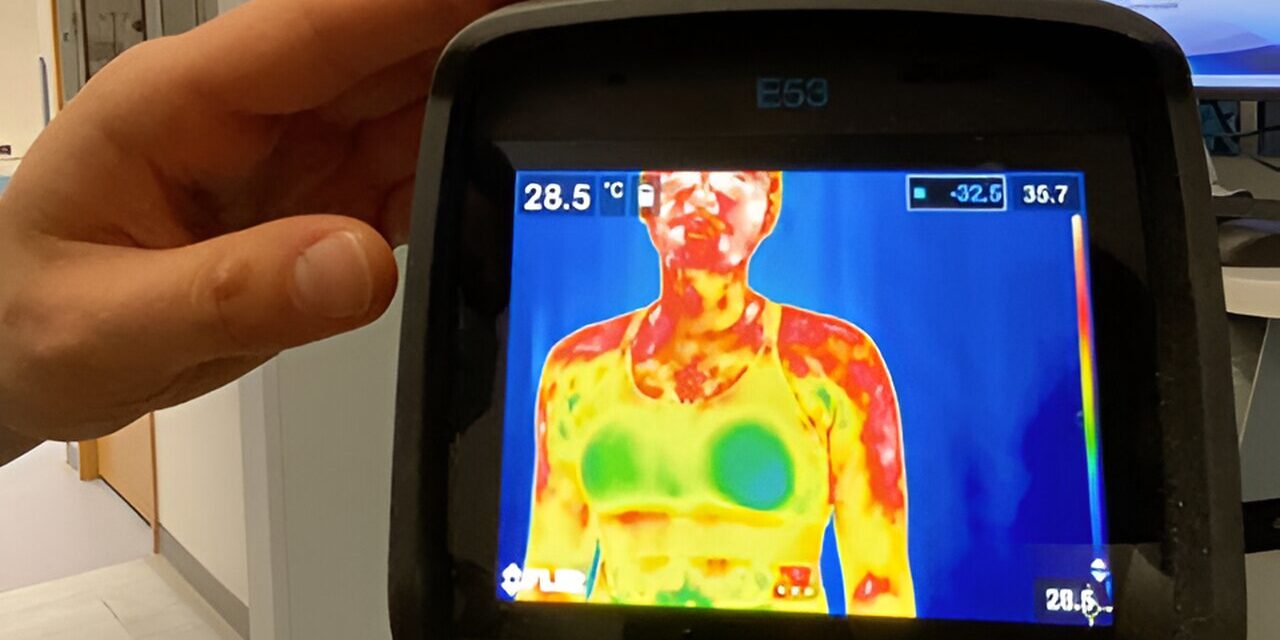
Researchers have introduced an innovative predictive model that evaluates individual patient risk factors to estimate the likelihood of developing nerve damage during or after breast cancer treatment. This tool integrates clinical data, treatment specifics, and patient characteristics to provide a risk score that can guide clinicians in tailoring treatment plans.
Clinical Implications
-
Personalized Treatment: By identifying patients at higher risk, oncologists can adjust treatment modalities, dosages, or supportive care to minimize nerve damage.
-
Improved Patient Outcomes: Early identification allows for proactive management, potentially reducing the incidence and severity of neuropathy.
-
Enhanced Decision-Making: Patients can be better informed about their risks, enabling shared decision-making regarding treatment options.
Expert Commentary
Medical professionals have welcomed this development as a significant step toward precision medicine in oncology. The tool promises to enhance the balance between effective cancer control and quality of life preservation.
Future Directions
Further validation studies are underway to refine the tool’s accuracy and integrate it into routine clinical workflows. Researchers are also exploring its applicability to other cancers and treatment-related neuropathies.
Disclaimer
This article is for informational purposes only and does not substitute professional medical advice. Patients should consult their healthcare providers for personalized recommendations and treatment decisions. The predictive tool mentioned is under ongoing research and may not be widely available in all clinical settings.
Citations: