 0
0
 0
0
OXFORD, United Kingdom — Researchers from the University of Oxford have announced a significant milestone in global health security with the successful completion of the first-human-in trial of a vaccine targeting the Nipah virus (NiV). The results, published recently in The Lancet, demonstrate that the experimental vaccine is safe, well-tolerated, and capable of generating a robust immune response in participants.
The study marks a critical step toward defending against a pathogen that the World Health Organization (WHO) has identified as a priority disease with epidemic potential. Despite its high fatality rate—estimated between 40% and 75%—there are currently no approved vaccines or specific treatments for Nipah virus infection.
The Science Behind the Breakthrough
The trial investigated the vaccine candidate known as ChAdOx1 NiV. This vaccine utilizes the same viral vector platform—a modified, harmless version of a common cold virus—that was successfully employed in the development of the Oxford-AstraZeneca COVID-19 vaccine.
The Phase 1 dose-escalation study involved 51 healthy volunteers aged 18 to 55. Participants were monitored closely to assess the vaccine’s safety profile and its ability to stimulate the immune system. According to the findings, the vaccine was well-tolerated across all dose levels. While some participants reported mild side effects typical of vaccinations, such as soreness at the injection site or temporary fatigue, no serious adverse events were recorded.
Critically, the vaccine induced high levels of neutralizing antibodies and T-cell responses in the participants. These components are essential for the body to recognize and fight off the virus should an exposure occur.
Why Nipah Virus Concerns Global Health Experts
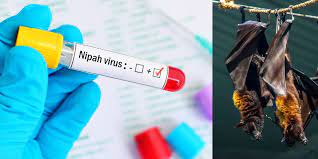
Nipah virus is a zoonotic virus, meaning it is transmitted from animals to humans. Fruit bats of the Pteropodidae family are the natural hosts. Humans can become infected through direct contact with infected bats, infected pigs, or by consuming food—such as raw date palm sap—contaminated by the saliva or urine of infected bats.
“Nipah is a devastating disease that can cause severe respiratory illness and fatal encephalitis, or swelling of the brain,” says Dr. Sarah Jenkins, an infectious disease specialist not involved in the Oxford study. “Because it can spread through human-to-human contact, especially in hospital settings, it poses a significant threat of localized outbreaks that could potentially escalate into something larger.”
Since its discovery in 1998 during an outbreak among pig farmers in Malaysia and Singapore, the virus has caused periodic outbreaks in Bangladesh and India. The lack of a preventative measure has left these regions particularly vulnerable.
Bridging the Gap in Pandemic Preparedness
The success of the ChAdOx1 NiV trial represents more than just a single vaccine; it validates a strategy for rapid response to “Disease X”—unknown pathogens that could cause future pandemics.
Professor Dame Sarah Gilbert, a lead researcher at the University of Oxford and a pioneer of the ChAdOx1 platform, noted that the trial results are a testament to the speed and efficacy with which researchers can now move from laboratory concepts to human clinical trials for neglected diseases.
However, health experts caution that while these results are promising, the road to a widely available vaccine remains long. “Phase 1 trials are designed primarily to test safety,” notes Dr. Marcus Thorne, a public health researcher. “We still need Phase 2 and Phase 3 trials to determine if the immune response generated in the lab actually translates into real-world protection against infection.”
The Challenges Ahead: Ethics and Logistics
Conducting large-scale efficacy trials for Nipah presents unique challenges. Because outbreaks are sporadic and unpredictable, researchers cannot easily predict where or when the next infection will occur. This makes it difficult to conduct traditional “Phase 3” trials where thousands of people are vaccinated to see if they are protected during an active outbreak.
To address this, regulatory bodies may look toward “Animal Rule” pathways or immunobridging, where vaccine efficacy is demonstrated in animals and then correlated with the immune responses seen in human Phase 1 and 2 trials.
Furthermore, there is the logistical hurdle of ensuring that, once approved, the vaccine reaches the communities that need it most. Nipah outbreaks often occur in rural areas with limited healthcare infrastructure. The ChAdOx1 platform’s advantage is its relative stability compared to mRNA vaccines, potentially allowing for easier storage and transport in warmer climates.
What This Means for the Public
For the general public, particularly those living in regions where Nipah is endemic, this news offers a glimmer of hope. For the global community, it reinforces the importance of investing in “neglected” tropical diseases before they become global crises.
“This is a victory for proactive science,” says Dr. Jenkins. “We are learning that we don’t have to wait for a pandemic to start to begin building our defenses. By targeting Nipah now, we are strengthening the global framework for vaccine development.”
As researchers prepare for the next phase of trials, the focus will shift to determining the optimal dosage and the longevity of the immune response. For now, the successful safety profile of ChAdOx1 NiV provides a foundation for what could become the world’s first line of defense against one of nature’s most lethal viruses.
Medical Disclaimer: This article is for informational purposes only and should not be considered medical advice. Always consult with qualified healthcare professionals before making any health-related decisions or changes to your treatment plan. The information presented here is based on current research and expert opinions, which may evolve as new evidence emerges.
References
- https://nagalandtribune.in/new-nipah-virus-vaccine-safe-generates-immune-response-the-lancet/#:~:text=All%20three%20doses%20and%20regimens,in%20the%20journal%20The%20Lancet.