 0
0
 0
0
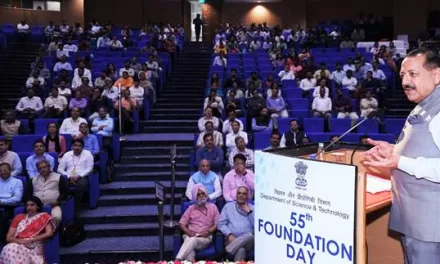
Mysuru is set to get a new, NIMHANS-like centre for mental health and neurosciences, with Karnataka Chief Minister Siddaramaiah laying the foundation stone for a Rs 100 crore facility in the Varuna Assembly constituency on 19 January 2026. The institute, to be developed under Mysore Medical College and Research Institute (MMCRI), is intended to bring advanced neurology, psychiatry, and de-addiction services closer to patients who currently travel to Bengaluru’s National Institute of Mental Health and Neurosciences (NIMHANS).
What the new centre will offer
According to MMCRI and state government announcements, the proposed centre will be developed in phases on land already transferred to the medical college by the Revenue Department. In the first phase, plans include construction of a G+5 (ground plus five floors) main hospital building on one acre, along with a separate G+1 de-addiction centre.
The campus is also expected to house:
-
A blood bank and diagnostic laboratory to support neurology and psychiatric services.
-
A rehabilitation centre for long-term recovery, likely to include physiotherapy, occupational therapy, and psychosocial support.
-
Future residential quarters for doctors and staff to ensure round-the-clock specialist availability.
Clinically, the institution is planned to host specialised departments such as neurosurgery, neuro-radiology, neuro-anaesthesia and neuro-psychiatry, mirroring NIMHANS’ multidisciplinary model in Bengaluru. These services aim to integrate brain and mental health care, so that people with complex conditions—such as epilepsy, brain injuries, stroke-related cognitive problems, severe depression, or substance use disorders—can receive coordinated treatment under one roof.
Why this project matters for Karnataka’s mental health gap
India’s mental health system continues to face a large “treatment gap,” a term used to describe the proportion of people with mental disorders who do not receive adequate care. The National Mental Health Survey (2015–2016), led by NIMHANS, reported that between 70% and 92% of Indians with mental disorders were not getting appropriate treatment, driven by factors such as low awareness, stigma, and lack of trained professionals.
Nationally, India has an estimated 0.75 psychiatrists per 100,000 people, far below the World Health Organization’s recommendation of at least 3 per 100,000. More recent analyses using the same survey data suggest that among older adults (60 years and above) with any mental disorder, the treatment gap remains as high as 84%, with delays ranging from 1.5 to 8 months between symptom onset and first consultation.
Karnataka has historically played a leading role in mental health service delivery through NIMHANS and the Bellary model of the District Mental Health Programme, which later informed the national expansion of district-level services. Building NIMHANS-modelled satellite centres in Mysuru and Kalaburagi has been part of a broader strategy to decentralise specialised care and reduce pressure on the Bengaluru campus.
“People need not travel to Bengaluru”: Expert and local perspectives
MMCRI Dean and Director Dr K.R. Dakshayani has stated that once the Mysuru facility becomes operational, many patients with neurology-related conditions will no longer need to travel to NIMHANS in Bengaluru for care. The site’s proximity to Mysuru airport is expected to improve access for patients from neighbouring districts and even other regions.
Independent experts not involved in the project also view the initiative as an important step, while cautioning against over-reliance on infrastructure alone. For example, psychiatrists and public health specialists frequently emphasise that new buildings must be matched with investment in workforce, community outreach, and integration with primary care. While commenting broadly on similar initiatives, national mental health policy experts have often argued that tertiary centres work best when linked to district-level programs and Ayushman Bharat’s Ayushman Arogya Mandirs, where mental health is being integrated into primary care.
Mental health advocates similarly point out that replicating the NIMHANS model offers an opportunity to combine hospital-based services with community outreach, tele-psychiatry, and family counselling, which can reduce stigma and encourage earlier help-seeking.
How this fits into India’s evolving mental health system
NIMHANS, based in Bengaluru, is India’s apex centre for mental health and neurosciences education, research, and care, recognised as an Institute of National Importance under the Ministry of Health and Family Welfare. Its model blends clinical care, training, and research, and has increasingly emphasised community-focused services through satellite centres and outreach programmes.
Recent policy directions from the Union and state governments have stressed:
-
Expansion of specialised mental health and neurology services through institutes modelled on NIMHANS, including proposed centres in Mysuru and Kalaburagi and a new NIMHANS north campus in Bengaluru.
-
Integration of mental health into primary care under the Ayushman Bharat initiative, with over 1.75 lakh sub-health centres and primary health centres upgraded as Ayushman Arogya Mandirs offering basic mental health services.
-
Scaling up the District Mental Health Programme, which now covers hundreds of districts and provides teams that include psychiatrists, clinical psychologists, psychiatric social workers, and nurses.
The Mysuru project can potentially serve as a regional hub that supports these national efforts by offering advanced referral services, training for doctors and allied professionals, and research collaborations on neurological and psychiatric disorders.
Practical implications for patients and families
If implemented as planned, the new Mysuru centre could change care pathways for thousands of patients in southern Karnataka and nearby regions. For patients and caregivers, key potential benefits include:
-
Shorter travel and waiting times: Patients with complex neurological or psychiatric conditions who currently depend on NIMHANS may gain an alternative, reducing travel burden and waiting lists in Bengaluru.
-
Integrated care for coexisting conditions: Many people live with overlapping brain and mental health issues, such as epilepsy with depression or neuro-trauma with cognitive and behavioural changes; a multidisciplinary centre can coordinate treatment plans more effectively.
-
Access to de-addiction and rehabilitation: The dedicated de-addiction centre and rehabilitation services are particularly significant in the context of rising concerns about alcohol and substance use disorders across Indian cities and small towns.
For health-conscious readers, the development underscores a broader public health message: mental health and neurological conditions are treatable, and expanding specialised infrastructure is one part of improving access to care. However, experts continue to urge early consultation at local health facilities, including primary care centres, especially when symptoms such as persistent sadness, unexplained fears, memory problems, seizures, or substance dependence begin to affect daily functioning.
Challenges, limitations, and unanswered questions
While the announcement of a Rs 100 crore NIMHANS-like facility is a significant milestone, several practical questions remain. The exact timelines for completion, staffing patterns, and phased rollout of services have not been fully detailed in public reports. Experience from other large health infrastructure projects in India suggests that construction, equipment procurement, and recruitment can take several years.
Key challenges likely to shape the project’s impact include:
-
Human resources: With India facing a national shortage of psychiatrists, neurologists, clinical psychologists, psychiatric social workers, and specialised nurses, recruiting and retaining a full multidisciplinary team in Mysuru may require sustained policy and financial support.
-
Affordability and access: The extent to which services will be free or subsidised, how they will integrate with government insurance schemes, and how rural and low-income populations will be referred and transported to the centre are yet to be clarified.
-
Coordination with existing services: To avoid fragmentation, the centre will need strong referral linkages with district hospitals, Ayushman Arogya Mandirs, and private practitioners, alongside clear care pathways for long-term follow-up.
Public health specialists also caution that while tertiary centres are vital, they cannot by themselves close the treatment gap of 70–92% reported in the National Mental Health Survey. Efforts to strengthen community-based services, improve mental health literacy, and reduce stigma will remain equally important.
What this means for readers
For healthcare professionals, the Mysuru NIMHANS-modelled centre represents an opportunity for collaboration, referrals, and advanced training in neurology and mental health, particularly for clinicians in southern Karnataka. For patients and caregivers, it signals that specialised care may gradually become more geographically accessible, though services are likely to roll out in phases over the coming years.
Until the facility is operational, families should continue to:
-
Seek help early at local government or accredited private facilities for mental health or neurological symptoms.
-
Use verified information sources—such as recognised medical institutions, government health portals, and licensed professionals—rather than relying on social media for medical decisions.
-
Engage with community mental health programmes where available, including district hospitals and Ayushman Arogya Mandirs that offer counselling and basic psychiatric care.
As India expands NIMHANS-modelled institutions and strengthens primary mental health services, the hope is that more people will move from silent suffering to timely, evidence-based care.
Medical Disclaimer: This article is for informational purposes only and should not be considered medical advice. Always consult with qualified healthcare professionals before making any health-related decisions or changes to your treatment plan. The information presented here is based on current research and expert opinions, which may evolve as new evidence emerges.
References
-
De Sarkar R. “CM Siddaramaiah lays foundation for Rs 100 crore NIMHANS-like facility in Mysuru.” Medical Dialogues. Published 20 January 2026.[medicaldialogues]