 0
0
 0
0
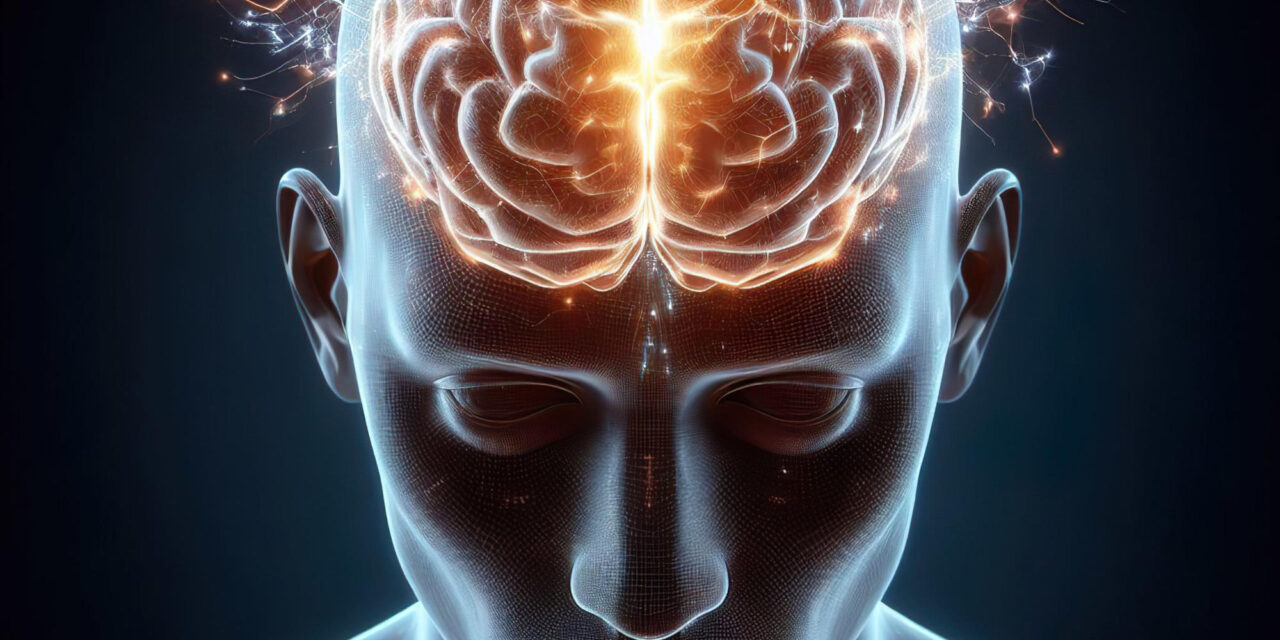
A groundbreaking study published in September 2025 by researchers at the Fralin Biomedical Research Institute at Virginia Tech College of Science reveals a distinct neurochemical signature that differentiates Parkinson’s disease from essential tremor—two of the most common movement disorders worldwide. This scientific breakthrough, based on innovative real-time brain chemical monitoring during deep brain stimulation (DBS) surgeries, promises to refine diagnostic accuracy and deepen understanding of Parkinson’s disease pathology.
What Was Discovered?
The multidisciplinary research team employed advanced machine learning-enhanced electrochemical techniques to measure the dynamic fluctuations of two key neurotransmitters—dopamine and serotonin—in the caudate nucleus, a brain region critically involved in decision-making and reward processing. Patients with Parkinson’s disease and essential tremor underwent DBS surgery while simultaneously participating in a social decision-making game involving fair and unfair monetary offers.
In individuals with essential tremor, unexpected unfair offers triggered a characteristic “seesaw” pattern: dopamine levels surged while serotonin levels dropped, reflecting a dynamic, reciprocal neurochemical signaling. Strikingly, this reciprocal relationship was absent in Parkinson’s patients; neither dopamine spikes nor serotonin dips occurred in response to these prediction errors. Instead, a disruption in the interplay between dopamine and serotonin was observed, marking a unique neurochemical signature for Parkinson’s disease distinct from essential tremor.
Why Does This Matter?
Traditionally, Parkinson’s disease research has focused heavily on dopamine dysfunction due to the well-known degeneration of dopamine-producing neurons causing motor symptoms such as tremors and rigidity. However, this study highlights serotonin’s previously underappreciated role in Parkinson’s, showing that the loss of normal serotonin-dopamine dynamics may be a critical feature of the disease.
Dr. William “Matt” Howe, assistant professor at Virginia Tech’s School of Neuroscience and co-senior author, explained, “The disruption of dopamine-serotonin interplay signifies a breakdown in communication between two vital neurotransmitter systems. This finding pivots the scientific dialogue towards serotonin’s profound role in Parkinson’s disease, potentially opening new avenues for diagnosis and treatment”.
Expert Perspectives
Independent experts underline the importance of this discovery. Dr. Arian Sohrabi from Wake Forest University School of Medicine, a co-author on the study, emphasized the study’s innovation in linking moment-to-moment cognitive states with brain chemistry: “This research carves a new conceptual path for understanding how neurodegenerative diseases shape complex human social cognition”.
Meanwhile, neurologists specializing in movement disorders acknowledge the challenge clinicians face in differentiating Parkinson’s disease from essential tremor based on symptoms alone. Essential tremor, long considered a monosymptomatic action tremor disorder, shares overlapping features with Parkinson’s, leading to frequent misdiagnoses. This neurochemical signature thus offers a promising biomarker to complement clinical evaluation, improving differential diagnosis and personalized care.
Context and Background
Parkinson’s disease affects over 1 million Americans, causing progressive motor impairment and cognitive changes. Essential tremor is even more common and affects a broader population with mainly action tremors. Misdiagnosis rates are high; for example, some studies show up to one-third of patients initially diagnosed with essential tremor actually have Parkinson’s.
Existing diagnostic tools include clinical examination, imaging (dopamine transporter scans), and electrophysiological tests, but these have limitations in sensitivity and specificity. This study’s use of DBS—which allows direct brain monitoring during surgery—and machine learning to analyze neurochemical patterns is a novel step toward more objective and precise biomarkers.
Public Health Implications
Accurate differentiation between Parkinson’s disease and essential tremor is crucial, as treatments and prognoses differ. Parkinson’s patients may benefit from dopaminergic therapies and other disease-modifying strategies, while essential tremor treatments focus on symptom relief with medications or targeted therapies like DBS.
Understanding serotonin’s role might also inspire new therapeutic avenues beyond dopamine-centric drugs, potentially improving quality of life and slowing progression for Parkinson’s patients. Moreover, accessible biomarkers could lead to earlier diagnoses and tailored interventions, addressing a pressing public health need with an aging global population.
Limitations and Future Directions
The study’s invasive method, involving patients undergoing DBS surgery, limits immediate widespread clinical application. However, the research team plans to extend these findings through longitudinal studies, diverse patient populations, and exploration of other neurochemical systems.
The technology and machine learning models developed will continue to evolve, potentially enabling less invasive diagnostic tools based on these neurochemical principles. The collaborative effort underscores the importance of interdisciplinary approaches in tackling complex brain disorders.
Medical Disclaimer
Medical Disclaimer: This article is for informational purposes only and should not be considered medical advice. Always consult with qualified healthcare professionals before making any health-related decisions or changes to your treatment plan. The information presented here is based on current research and expert opinions, which may evolve as new evidence emerges.
References