 0
0
 0
0
March 19, 2026
LAS VEGAS — A breakthrough in non-invasive diagnostics may finally offer relief to millions of women trapped in the “diagnostic gap” of endometriosis. A novel multi-omic blood test, HerResolve, has demonstrated the ability to identify endometriosis cases frequently missed by standard imaging like ultrasounds and MRIs. The findings, from a multi-center international study, were presented today at the American & Global College of Endometriosis Specialists (AGCES) 2026 Annual Meeting. By catching nearly 62% of cases previously overlooked by imaging, this diagnostic tool could significantly reduce the staggering 6-to-11-year delay patients currently face before receiving a formal diagnosis.
Closing the Six-Year Gap
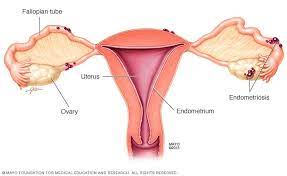
Endometriosis is a systemic, chronic inflammatory condition where tissue similar to the lining of the uterus grows in other parts of the body. It affects approximately 10% of women and girls of reproductive age—roughly 190 million people globally. For those suffering, the symptoms are often debilitating: chronic pelvic pain, severe period cramping, pain during intercourse, and infertility.
Despite its prevalence, the “gold standard” for diagnosis remains laparoscopic surgery, an invasive procedure where a surgeon inserts a camera into the abdomen to visualize and biopsy lesions. Because surgery carries risks and high costs, many patients wait a decade or more for answers, often being told their pain is “normal.”
“Endometriosis has long been one of the most underdiagnosed and undertreated conditions in women’s health,” said Dr. Farideh Bischoff, PhD, Chief Medical Officer at HerAnova Lifesciences and the study’s lead author. “HerResolve was designed to work alongside existing imaging and clinical evaluation, filling a critical gap in non-invasive disease detection.”
High Accuracy Through “Multi-Omic” Science
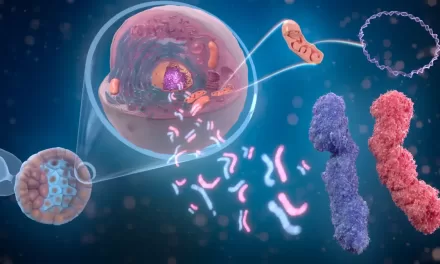
The study, conducted across 11 international sites, evaluated 298 women suspected of having the condition. Of these, 177 cases were later confirmed via surgery. The HerResolve test utilizes a complex algorithm to analyze a “multi-omic” profile—meaning it looks at several different biological markers at once rather than just one.
The test integrates:
-
Three microRNA biomarkers (genetic regulators)
-
Three specific proteins
-
One steroid hormone
-
Clinical data including the patient’s age and BMI
The results, published in the Journal of Minimally Invasive Gynecology, showed an 80% sensitivity (the ability to correctly identify those with the disease) and a remarkable 97.5% specificity (the ability to correctly identify those without the disease). With an overall accuracy score (AUC) of 0.944, the test is among the most reliable non-invasive options developed to date.
Critically, the test remained accurate regardless of where a woman was in her menstrual cycle, solving a common problem with hormonal biomarkers that fluctuate throughout the month.
Catching What Imaging Misses
Perhaps the most significant finding for clinicians is the test’s performance relative to traditional imaging. Ultrasound and MRI are excellent at finding large cysts (endometriomas), but they often fail to detect “superficial” endometriosis—small lesions scattered across the pelvic lining that can still cause intense pain.
The study found that the blood test successfully identified 61.5% of histologically confirmed cases that had been missed by transvaginal ultrasound or MRI.
“In the past, if an ultrasound was clear, patients were often sent home with no answers,” explains Dr. Tamer Seckin, a renowned endometriosis surgeon and founder of the Endometriosis Foundation of America (who was not involved in the HerAnova study). “Biomarkers provide a predictive tool that can help us decide who truly needs surgery and who might be managed medically, moving us away from a ‘wait and see’ approach that leaves patients in pain.”
Public Health and Fertility Implications
The implications for public health are vast. Endometriosis is a leading cause of infertility, present in 30% to 50% of women struggling to conceive. Early detection allows for earlier intervention, potentially preserving fertility and preventing the progression of the disease.
Beyond the individual, the economic burden of endometriosis—driven by lost work productivity and repeated, inconclusive ER visits—is estimated in the billions of dollars annually. By providing a “triage tool” at the primary care or OB-GYN level, healthcare systems can reserve expensive surgical resources for treatment rather than just diagnosis.
Limitations and the Path Ahead
While the results are a milestone, experts urge a balanced perspective. An 80% sensitivity rate means that 20% of cases may still be missed by the blood test (false negatives). A negative result does not definitively rule out endometriosis if symptoms persist, and clinical judgment remains paramount.
Additionally, the study population was 75.8% white, highlighting a need for further validation in more diverse global cohorts to ensure the algorithm performs equally well across all ethnicities.
Currently, HerResolve is available at select specialized IVF and reproductive centers in the U.S. as a Laboratory Developed Test (LDT). HerAnova Lifesciences has indicated plans to seek formal FDA clearance and conduct longitudinal studies to see if the test can also be used to monitor how well a patient is responding to medical treatments.
For now, the development represents a shift toward a future where “period pain” is taken seriously and diagnosed with the same clinical rigor as any other chronic disease.
Reference Section
- https://health.economictimes.indiatimes.com/news/diagnostics/blood-test-improves-detection-of-endometriosis/129655393?utm_source=latest_news&utm_medium=homepage
Medical Disclaimer: This article is for informational purposes only and should not be considered medical advice. Always consult with qualified healthcare professionals before making any health-related decisions or changes to your treatment plan. The information presented here is based on current research and expert opinions, which may evolve as new evidence emerges.