 0
0
 0
0
A groundbreaking advance in mRNA vaccine technology has been reported, with researchers developing a new approach where the vaccine “masquerades” as a virus to more effectively train the body’s immune system. This innovation, highlighted in a recent article by Medical Xpress, could dramatically improve the efficacy and adaptability of future vaccines against a wide range of diseases, from influenza to cancer.
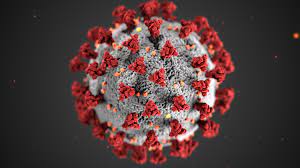
Traditional mRNA vaccines work by delivering genetic instructions to cells, prompting them to produce a harmless piece of the target virus—such as the spike protein in SARS-CoV-2—which the immune system then learns to recognize and attack. The new method takes this a step further by mimicking the structure and behavior of a virus, making the vaccine appear more like a natural viral invader. This enhanced mimicry is designed to trigger a stronger and potentially longer-lasting immune response.
According to the report, the vaccine uses advanced lipid nanoparticles and other delivery systems to present the mRNA in a way that closely resembles an actual viral infection. This approach not only improves the immune system’s ability to recognize the threat but also allows for rapid adaptation to new viral variants or entirely different pathogens.
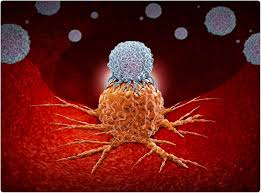
The technology builds on the success of the mRNA COVID-19 vaccines, which have been widely administered and shown to be both safe and effective. Researchers are now exploring how this new method could be applied to vaccines for other infectious diseases and even certain cancers, offering hope for more robust protection against future health threats.
While the results are promising, scientists caution that further clinical trials are necessary to confirm the safety and efficacy of this next-generation approach. If successful, it could revolutionize vaccine development and help humanity stay ahead of rapidly evolving viruses.
Disclaimer:
This article is based on information from publicly available sources and is intended for general informational purposes only. The new mRNA vaccine technology described is still under development and has not yet completed all necessary clinical trials for widespread use. Consult a healthcare professional for advice regarding vaccines and your health. The views expressed in this article do not constitute medical or scientific endorsement.