 0
0
 0
0
Tonix Pharmaceuticals announced on September 17, 2025, the licensing of TNX-4800—a long-acting monoclonal antibody targeting Lyme disease—for global use. Developed at UMass Chan Medical School, TNX-4800 may provide immediate, season-long protection against Lyme disease with a single annual injection, offering a novel alternative where no approved vaccine currently exists.
Key Findings and Developments
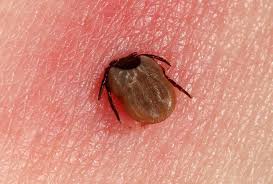
Lyme disease is caused by the bacterium Borrelia burgdorferi, transmitted through the bite of infected Ixodes scapularis ticks. TNX-4800 is a fully human monoclonal antibody engineered for extended half-life, directly targeting the outer surface protein A (OspA) on Borrelia bacteria. Unlike vaccines requiring multiple doses and a robust immune response, TNX-4800 provides immediate immunity within days of a single springtime injection, maintaining protective antibody levels throughout tick season without relying on the recipient’s natural immune system. Current prevention strategies largely depend on tick avoidance using repellents and prompt removal.
Expert Commentary
Dr. Mark Klempner of UMass Chan Medical School, the research leader behind TNX-4800, stated: “Preventing Lyme disease is an urgent public health priority and more than 30 years of clinical experience confirms that monoclonal antibodies can be delivered safely and are effective in preventing infections… Unlike vaccine programs in development, TNX-4800 is a single dose and provides immediate immunity to the bacteria that causes Lyme disease”. Dr. Seth Lederman, CEO of Tonix Pharmaceuticals, added, “We believe TNX-4800 can transform prevention for millions who live, work, and vacation in endemic regions”. Independent infectious disease specialists have described monoclonal antibodies as an established, safe class of biologics now widely used for conditions ranging from RSV prevention to autoimmune diseases, suggesting cautious optimism about the approach.
Context and Background
Lyme disease remains the most common vector-borne infection in the United States, with the CDC estimating more than 476,000 Americans are diagnosed and treated annually. Symptoms can include fever, fatigue, headache, and the characteristic erythema migrans rash; untreated cases may lead to complications involving the joints, heart, or nervous system. Previous prevention efforts have included vaccines—such as LYMErix®—withdrawn years ago amid concern for rare autoimmune reactions. Currently, another vaccine candidate, VLA15 (developed by Pfizer/Valneva), is in advanced Phase 3 trials but is not yet available for general use.
Implications for Public Health
If approved, TNX-4800 could offer immediate protection for up to 70 million Americans living in areas where Lyme disease is endemic. The antibody’s extended activity and direct administration may overcome challenges faced by previous vaccines and offer an alternative for individuals unable or unwilling to undergo multi-dose immunization regimens. Its role as an annual, single-dose injection could streamline community-wide prevention strategies and reduce healthcare burdens during the busy tick season.
Potential Limitations and Counterarguments
While Phase 1 trials of TNX-4800 have shown positive results for safety and tolerability, it has not yet been tested in large, diverse populations or in late-stage (Phase 2/3) effectiveness studies. Experts caution that results must be validated in clinical settings representing actual tick exposure before widespread adoption. The history of past Lyme disease vaccines underlines the importance of long-term safety monitoring and post-market surveillance. There are also challenges related to the cost, logistics, and education required to ensure annual compliance in high-risk populations.
Practical Implications
For individuals living in or traveling to Lyme-endemic regions, the prospect of a seasonal, single-dose preventive is highly attractive. Until such options are approved and available, public health officials recommend continued reliance on current preventive methods—such as avoiding wooded areas, proper use of repellents, wearing protective clothing, and prompt tick removal. Should TNX-4800 prove effective in late-stage trials and secure regulatory approval, it may empower both physicians and the public with a practical new tool reducing Lyme disease’s impact.cdc+2
Balanced Reporting
Research into TNX-4800 is ongoing, and the compound faces the hurdles of large-scale clinical trials, regulatory scrutiny, and real-world validation. Competing vaccine approaches, such as VLA15, are advancing but not yet approved; consensus among experts is that multiple preventive strategies, including monoclonal antibodies and vaccines, will ultimately be needed to combat Lyme disease’s growing public health
Medical Disclaimer
“Medical Disclaimer: This article is for informational purposes only and should not be considered medical advice. Always consult with qualified healthcare professionals before making any health-related decisions or changes to your treatment plan. The information presented here is based on current research and expert opinions, which may evolve as new evidence emerges.”
References