 0
0
 0
0
A Breakthrough in Women’s Health Diagnostics
A groundbreaking new test developed by researchers at Penn State may transform the way endometriosis—an often painful and poorly diagnosed condition—can be detected. Utilizing menstrual blood, the team has crafted a device that identifies a key protein marker for endometriosis with five times the sensitivity of current laboratory methods.
Endometriosis: Widespread and Frequently Overlooked
Endometriosis affects nearly 200 million people worldwide, including children. The disease is marked by the growth of uterine tissue outside the uterus, leading to severe pain and, in many cases, infertility. Early detection is vital, but diagnosis is typically complex and delayed—sometimes by as much as 12 years in the United States—due to the lack of a reliable point-of-care test.
Harnessing Menstrual Blood for Early, Accessible Detection
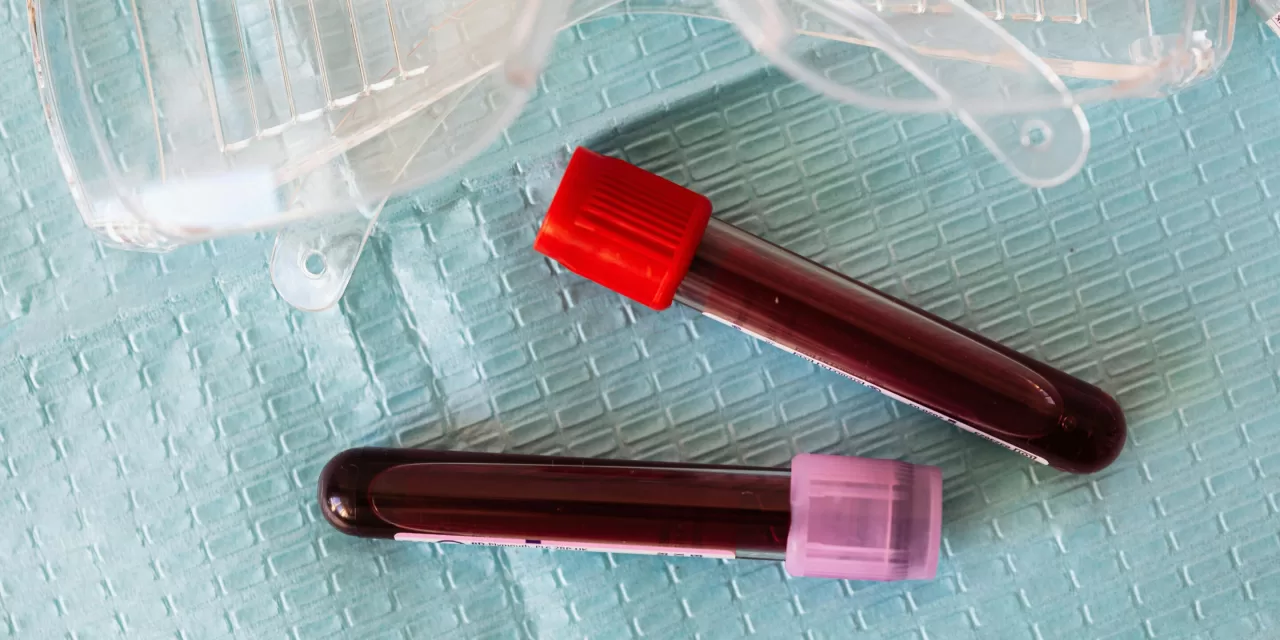
The Penn State team’s new approach leverages menstrual effluent, a tissue source long undervalued and stigmatized, as a reservoir of biological markers. Their device homes in on a protein called HMGB1, known to be elevated in those with endometriosis, even in early or asymptomatic cases.
How the Test Works:
-
Engineered Borophene Nanosheets: At the heart of the innovation lies borophene—a two-dimensional material derived from boron that is both biocompatible and biodegradable. The research group pioneered a method to synthesize borophene nanosheets in water, avoiding toxic solvents, and then coated these sheets with antibodies tailored to detect HMGB1.
-
Pregnancy Test-Inspired Design: The end product functions much like a home pregnancy test, visually indicating the presence of HMGB1 via one or two lines on a test strip.
-
Remarkable Sensitivity: When tested with menstrual blood artificially spiked with varying HMGB1 levels, the device demonstrated an ability to detect the protein at concentrations far below the threshold of current laboratory procedures1.
Implications and Future Directions
This sensitive and accessible test could make early detection more feasible, especially in rural or underserved areas. Researchers envision integration of the test into menstrual pads, supporting at-home monitoring and potentially reducing social stigma around menstrual health. Beyond endometriosis, development is underway to adapt this technology to screen for other conditions, such as HPV and cervical cancer.
The Road Ahead
While these results are highly promising, further clinical studies are planned to optimize sensitivity and validate the approach in broader populations. The work has received support from major organizations, including the Centers for Disease Control and Prevention, the U.S. National Science Foundation, and the National Institutes of Health.
Disclaimer
This article is not intended as medical advice. The described technology is still under development and has not been approved for clinical diagnostics. For health concerns or possible symptoms of endometriosis, consult a qualified healthcare professional.