 0
0
 0
0
A novel investigational vaccine for Lyme disease, known as VLA15, has demonstrated strong safety and immune response results in individuals aged 5 to 65 years, according to recent findings from a multi-site, randomized phase 2 trial. The vaccine, developed jointly by Pfizer and Valneva, was shown to be well-tolerated and immunogenic, with children and adolescents exhibiting particularly robust immune responses compared to adults.
The trial enrolled 625 participants, with a median age of 23 years and a near-even split between genders. Participants were randomized to receive either a three-dose regimen (at months 0, 2, and 6), a two-dose regimen (at months 0 and 6, with a placebo at month 2), or a full placebo schedule. The primary endpoint focused on the production of immunoglobulin G (IgG) antibodies against the outer surface protein A (OspA) of the Lyme disease-causing bacterium, Borrelia burgdorferi, measured one month after the final dose.
Results indicated that the vaccine was safe and well-tolerated across all age groups, with no significant adverse effects reported. Immunogenicity was particularly strong in younger participants, suggesting that VLA15 could offer broad protection for both children and adults living in Lyme disease-endemic regions.
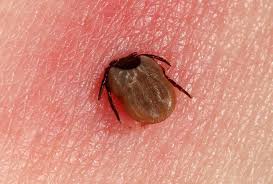
The vaccine’s mechanism involves inducing the body to produce antibodies that block OspA, a protein critical for the bacterium’s ability to infect humans after a tick bite. Importantly, VLA15 does not include the epitope linked to previous concerns about arthritis associated with the earlier Lyme vaccine, LYMErix, which was withdrawn from the market in the early 2000s.
With promising phase 2 results, a phase 3 trial is now underway, aiming to enroll approximately 6,000 participants at sites in the United States and Europe. The developers hope to have the vaccine licensed as early as 2025.
Disclaimer:
This article is based on recent clinical trial results and does not constitute medical advice. The investigational vaccine VLA15 has not yet received regulatory approval. Individuals should continue to take precautions against tick bites and consult healthcare providers for the latest guidance on Lyme disease prevention and treatment. Always seek professional medical advice before making decisions about vaccination or preventive measures.