 0
0
 0
0
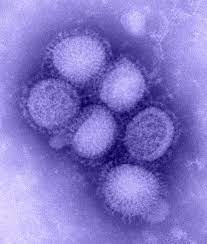
Health authorities from Canada, the United Kingdom, and Japan have identified a new variant of the influenza A H3N2 virus, dubbed subclade K, that is rapidly spreading and may become the dominant strain in the 2025-2026 flu season. This emerging strain carries multiple mutations that challenge the match with current vaccines, raising concerns about vaccine effectiveness and potential impact on public health globally. Experts stress vigilance, vaccination, and surveillance as the respiratory virus season approaches.
Key Findings and Developments
Recent data indicate that influenza A H3N2 subclade K, a mutated variant within the well-known H3N2 subtype, has increasingly been detected in flu samples from Canada, the UK, and Japan. This subclade is characterized by seven notable mutations, including T135K and K189R, that differentiate it from the previously dominant subclade J.2 used to design the 2025-2026 Northern Hemisphere seasonal flu vaccines.
In the UK, this subclade has accounted for over 90% of reported flu cases early in the season. Canadian researchers warn of a potential mismatch with the current seasonal vaccine, forecasting a possible rise in cases if vaccine protection is reduced. The variant is described as a “major drift” rather than a “shift,” meaning the virus remains within the same subtype but has evolved to better evade immune responses established by prior infections or vaccinations.
Expert Commentary
Dr. Danuta Skowronski, epidemiology lead at the British Columbia Centre for Disease Control, emphasized that although this variant has significant mutations, it does not indicate the onset of a pandemic. She explained, “This new subclade evolved after the World Health Organization made the vaccine strain decision, so the current vaccine may have reduced effectiveness against it. However, these mutations do not seem to impact antiviral drug efficacy or increase disease severity”.
Joshua Petrie, PhD, from the Marshfield Clinic Research Institute in Wisconsin, notes that while influenza A H3N2 seasons tend to be more severe—especially for older adults—there is still uncertainty whether subclade K will dominate in all regions, as other flu strains like influenza B could level the playing field.
Background and Context
Influenza A H3N2 viruses have circulated in humans since 1968, consistently evolving through a process called antigenic drift, where small genetic changes gradually reduce immunity conferred by prior exposure or vaccination. This contrasts with antigenic shift, which involves major viral changes and can lead to pandemics, such as the 2009 H1N1 swine flu.
The 2024-2025 flu season in the Southern Hemisphere was dominated by H1N1 strains, but near the end of their season, subclade K of H3N2 began emerging. Early Northern Hemisphere data portend a more prominent role for this variant in 2025-2026, particularly in temperate regions like Europe, North America, and parts of Asia.
Seasonal flu vaccines currently used in the U.S. were formulated months before these variants appeared, based on subclade J.2 strains. These vaccines include a trivalent or quadrivalent formulation designed to protect against H1N1, H3N2, and B lineage viruses, but the subclade mismatch is a cause for concern about overall vaccine effectiveness this year.
Public Health Implications
If the H3N2 subclade K variant spreads widely, the population may experience higher flu incidence due to reduced vaccine protection. H3N2-predominant seasons historically result in more severe illness and hospitalizations, particularly among older adults and vulnerable populations. Public health experts strongly recommend influenza vaccination as the first line of defense, emphasizing that even partial protection can reduce disease severity and complications.
In addition to vaccination, other preventive measures such as frequent hand hygiene, respiratory etiquette, and staying home when symptomatic remain critical to reducing transmission. Surveillance programs tracking flu variants are essential to adapt public health responses and inform vaccine updates for future seasons.
Limitations and Counterpoints
While the new H3N2 subclade K poses uncertainty, experts caution against alarmism. The subclade represents evolution within an existing subtype rather than a completely novel virus, suggesting vaccines and antiviral treatments may still offer meaningful protection. No evidence has emerged to date that the new variant causes more severe illness or escapes antiviral drugs.
Moreover, flu seasons are influenced by numerous factors, including co-circulating viruses, population immunity, and behavioral patterns. Influenza B viruses or H1N1 may still maintain significance depending on geographic and temporal trends. Thus, continued data collection through the peak flu months will be necessary to fully understand the public health impact.
Practical Takeaways for Readers
-
Get vaccinated: Despite the potential vaccine mismatch, influenza vaccination is the best available tool to reduce severe outcomes and complications from flu.
-
Practice preventive measures: Regular handwashing, mask use in crowded or healthcare settings, and isolation when symptomatic help reduce viral spread.
-
Stay informed: Follow updates from credible health authorities like the CDC, WHO, and local public health departments as flu activity evolves.
-
Consult healthcare providers: Those at high risk, such as older adults or people with chronic conditions, should seek medical advice promptly if flu symptoms develop.
Medical Disclaimer
Medical Disclaimer: This article is for informational purposes only and should not be considered medical advice. Always consult with qualified healthcare professionals before making any health-related decisions or changes to your treatment plan. The information presented here is based on current research and expert opinions, which may evolve as new evidence emerges.
References