 0
0
 0
0
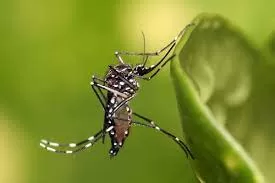
LAOS – In a pioneering public health initiative, Laos has released over 130 million lab-grown mosquitoes as a new weapon in the global battle against dengue fever. This groundbreaking project, a collaboration between the Ministry of Health, Save the Children International in Laos, the Government of Australia, and the World Mosquito Program, aims to drastically reduce the transmission of mosquito-borne diseases by leveraging a naturally occurring bacteria.
The released mosquitoes carry Wolbachia, a common and safe bacteria that significantly reduces the mosquito’s ability to transmit viruses like dengue, Zika, chikungunya, and yellow fever. The strategy involves releasing these Wolbachia-carrying mosquitoes into the wild, where they will mate with the local mosquito population. Over several generations, the goal is for the Wolbachia-carrying mosquitoes to become the dominant species, effectively creating a natural defense against these deadly viruses.
The timing of this project is critical, as 2024 has seen a global surge in dengue cases, with Laos being particularly affected. The World Mosquito Program has successfully implemented similar initiatives in 16 countries, protecting over 1.2 billion people. With the success of this project, it is hoped that by 2028, 1.2 million people in Laos will be protected from these diseases. The initiative has received strong local support, with a village health volunteer sharing a personal story of being hospitalized with dengue, highlighting the urgent need for a solution.
Disclaimer: This news article is for informational purposes only. Readers should consult with a healthcare professional for medical advice.