 0
0
 0
0
Published: March 5, 2026
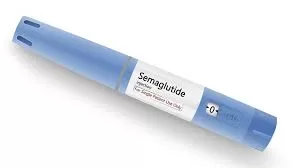
ST. LOUIS — A groundbreaking study of more than 600,000 U.S. military veterans has revealed that GLP-1 receptor agonists—the class of blockbuster drugs including semaglutide (Ozempic) and tirzepatide (Mounjaro)—may do far more than manage blood sugar and weight. Research published March 4, 2026, in The BMJ indicates these medications significantly reduce the risk of developing new substance use disorders and dramatically lower the stakes for those already struggling with addiction.
The findings suggest a paradigm shift in addiction medicine: a single class of medication could potentially treat a spectrum of dependencies, from alcohol and nicotine to opioids and cocaine, by “quieting” the brain’s reward centers.
A Shield Against Dependency
The study, led by Dr. Ziyad Al-Aly of the VA Saint Louis Health Care System, analyzed the electronic health records of 606,434 veterans with type 2 diabetes over a three-year period. Researchers compared patients prescribed GLP-1 drugs against those taking SGLT2 inhibitors (another common diabetes medication that does not affect the brain’s reward pathways).
The results were striking across two distinct groups:
1. Prevention in New Users
Among 124,001 veterans with no prior history of addiction, those on GLP-1 medications were 14% less likely to develop a new substance use disorder. When broken down by substance, the protective effects were even more specific:
-
Opioids: 25% reduction in new cases
-
Cocaine & Nicotine: 20% reduction each
-
Alcohol: 18% reduction
-
Cannabis: 14% reduction
2. Harm Reduction in Existing Disorders
For the 81,617 veterans who already had a diagnosed substance use disorder, GLP-1 drugs acted as a powerful safety net. Compared to the control group, these patients experienced:
-
50% fewer drug-related deaths
-
39% fewer overdoses
-
31% fewer emergency room visits
-
25% fewer suicidal thoughts or attempts
“The extent of this finding was quite unexpected,” said Dr. Al-Aly. “In addiction medicine, typically, there isn’t a single medication that addresses all these substances. This suggests there is likely a shared biological pathway influencing these addictions that GLP-1 can target.”
Rewiring the Reward System
To understand why a diabetes drug affects drug cravings, scientists look to the brain’s mesolimbic system—the “reward center” that governs motivation and pleasure.
GLP-1 drugs mimic a natural hormone that tells the body it is full. However, these drugs also cross the blood-brain barrier and bind to receptors in the nucleus accumbens. By doing so, they appear to dampen the “volume” of dopamine spikes that occur when someone uses a substance or even thinks about it.
“It’s like turning down the volume on an impulsive urge,” Dr. Al-Aly explained. This mechanism mirrors preclinical animal studies where rodents treated with GLP-1s showed a marked decrease in the self-administration of alcohol and stimulants.
Public Health Implications
Substance use disorders affect millions of Americans and contribute to over 100,000 overdose deaths annually. Currently, fewer than 10% of people with these disorders receive evidence-based treatment. If GLP-1s are proven effective in broader populations, they could become a primary tool for primary care physicians to treat addiction alongside metabolic health.
For the veteran population—which faces higher-than-average risks of both diabetes and substance use—the dual benefit is particularly promising. The VA is already planning a large-scale randomized controlled trial of semaglutide specifically for alcohol use disorder to move beyond observational data.
Limitations and the Path Ahead
Despite the enthusiasm, experts urge caution. Dr. Anna Lembke, a psychiatrist and addiction expert at Stanford University, noted that while the data is promising, it is still preliminary.
Key Constraints:
-
Observational Nature: Because this wasn’t a blind clinical trial, “unmeasured factors”—such as GLP-1 users being more health-conscious overall—could influence the results.
-
Demographics: The VA population is predominantly older, white, and male. While the findings remained consistent across the 35,000 women in the study, more diverse testing is needed.
-
Dosage: Most veterans were on lower doses for diabetes, not the higher doses used for obesity (like Wegovy or Zepbound). It is unclear if higher doses would increase the anti-addiction effect or simply increase side effects like nausea.
What This Means for You
If you are currently taking a GLP-1 medication for diabetes or weight loss, this study provides an added layer of potential benefit. However, experts emphasize the following:
-
Don’t Self-Medicate: No GLP-1 drug is currently FDA-approved specifically for addiction. Do not start or change a regimen without consulting your doctor.
-
Standard Care First: For those seeking help with addiction, established treatments like nicotine replacement, naltrexone, or buprenorphine remain the first line of defense.
-
Holistic Approach: Medication is most effective when paired with counseling and support groups. These tools help “re-train” the brain’s reward pathways alongside the medication.
As research continues, the narrative around addiction is shifting from one of moral failing to one of treatable biology. “This research reinforces that addiction is a brain disorder,” says Dr. Al-Aly. “And for the first time, we might have a ‘multitool’ to help fix it.”
Medical Disclaimer
This article is for informational purposes only and should not be considered medical advice. Always consult with qualified healthcare professionals before making any health-related decisions or changes to your treatment plan. The information presented here is based on current research and expert opinions, which may evolve as new evidence emerges.
References