 0
0
 0
0
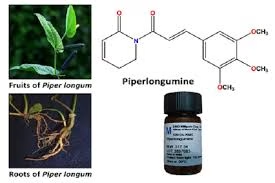
Compound in long pepper shows promise as cost-effective, selective treatment for colon cancer, according to research by NIT Rourkela, published in the journal BioFactors. The compound, Piperlongumine, selectively kills colon cancer cells by inducing oxidative stress to trigger self-destruction while sparing healthy cells. This finding offers hope for safer, more affordable alternatives to conventional chemotherapy, particularly in low- and middle-income countries where treatment costs remain high.
Key Findings and Research Insights
Researchers at the National Institute of Technology (NIT) Rourkela isolated Piperlongumine from long pepper (known locally as pippali or thippili) and tested its effects on colon cancer cells in laboratory experiments. The compound was found to selectively induce cancer cell death without harming normal cells, majorly through increased oxidative stress that overwhelms cancer cells’ defenses. Key assays including MTT, apoptotic induction, and mitochondrial dysfunction confirmed significant cancer cell mortality post-treatment. This mechanism contrasts with chemotherapy’s often harsh impact on both healthy and cancerous cells.
Expert Commentary
Prof. Bijesh Kumar Biswal, Associate Professor in Life Sciences at NIT Rourkela, highlighted Piperlongumine’s potential as “a promising and safer alternative therapy” with “minimal side effects.” He noted the challenge in chemotherapy where cancer cells may develop resistance, causing treatment failures. The discovery opens avenues for combining Piperlongumine with existing drugs like oxaliplatin to overcome resistance in advanced colorectal cancer cases, thus improving patient outcomes.
Context and Public Health Implications
Colon cancer is a major global health problem, with nearly 1.9 million new cases and close to 900,000 deaths reported worldwide in 2022 (WHO data). Standard treatments involve surgery, radiation, and chemotherapy, which can be toxic and expensive. The identification of a natural, affordable compound from a widely accessible spice could transform resource-limited cancer care, especially in developing countries. The low toxicity profile means fewer side effects, potentially improving quality of life for patients during treatment.
Limitations and Balanced Perspective
While laboratory data are promising, these findings are preliminary and primarily in vitro; thus, clinical trials are necessary to establish Piperlongumine’s safety, efficacy, and optimal dosing in humans. The potential for interactions with other treatments and long-term effects also requires thorough evaluation. Critics may caution against overreliance on natural compounds without rigorous validation, emphasizing that such therapies should complement—not replace—evidence-based cancer treatments.
Practical Health Takeaways
For readers, this research underscores the importance of ongoing scientific investigation into natural products as potential cancer therapeutics. While incorporating spices like long pepper in diet is generally safe and culturally familiar, it should not substitute prescribed cancer treatments. Patients are encouraged to consult healthcare professionals before considering alternative therapies. Continued research may eventually integrate compounds like Piperlongumine into mainstream oncology, offering hope for more personalized, less toxic options.
Medical Disclaimer: This article is for informational purposes only and should not be considered medical advice. Always consult with qualified healthcare professionals before making any health-related decisions or changes to your treatment plan. The information presented here is based on current research and expert opinions, which may evolve as new evidence emerges.
References:
- https://www.ndtv.com/health/long-pepper-compound-may-aid-in-treatment-of-colon-cancer-nit-rourkela-9695572
- https://timesofindia.indiatimes.com/city/bhubaneswar/long-pepper-shows-promise-in-fight-against-colon-cancer/articleshow/125564950.cms