 0
0
 0
0
March 10, 2026
PRINCETON, N.J. — In a significant development for the treatment of relapsed blood cancers, Bristol Myers Squibb (BMS) announced on March 9, 2026, that its investigational oral drug, mezigdomide, successfully met its primary objective in a late-stage clinical trial. The Phase 3 SUCCESSOR-2 study revealed that patients with relapsed or refractory multiple myeloma (RRMM) who received mezigdomide in combination with carfilzomib and dexamethasone lived significantly longer without their disease worsening compared to those receiving standard therapy alone.
This breakthrough marks the first positive Phase 3 readout for mezigdomide, a novel agent designed to overcome treatment resistance. For the approximately 35,000 Americans diagnosed with multiple myeloma annually, the results offer a potential new lifeline in a disease landscape where many patients eventually run out of effective options.
Breaking the Resistance: The SUCCESSOR-2 Findings
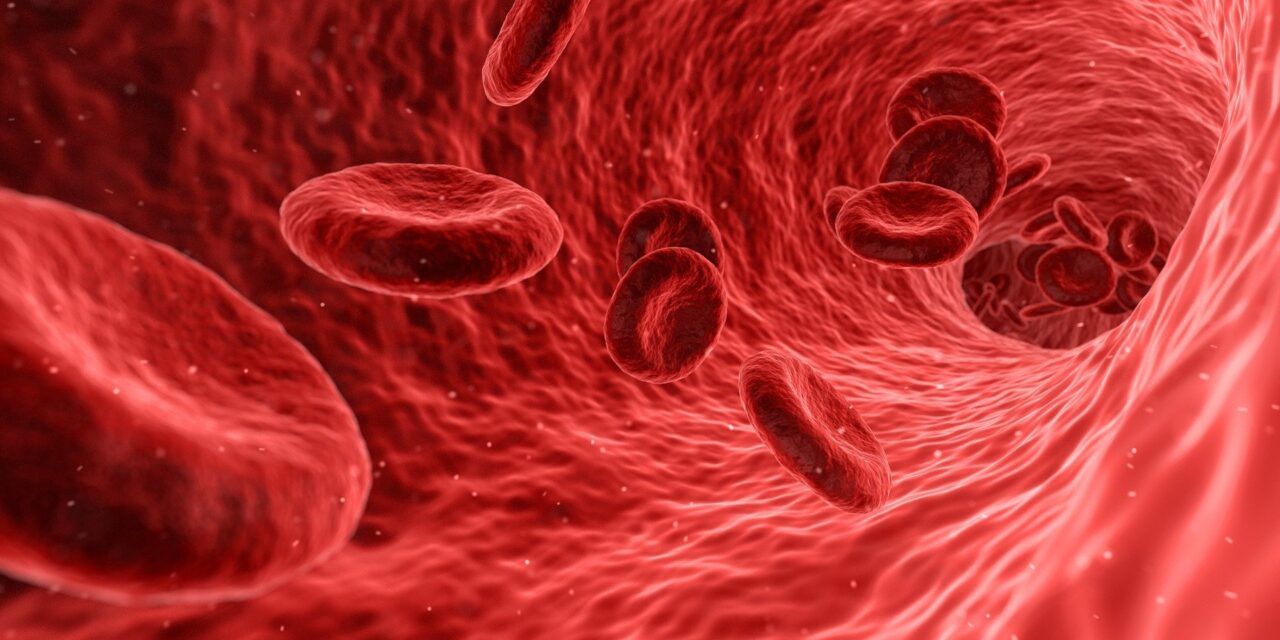
The SUCCESSOR-2 trial (NCT05552976) focused on a particularly vulnerable population: patients whose multiple myeloma had either returned (relapsed) or stopped responding (refractory) to previous treatments. Multiple myeloma is a cancer of the plasma cells—white blood cells that normally produce antibodies. When these cells become cancerous, they crowd out healthy blood cells, leading to bone destruction, kidney failure, and a severely weakened immune system.
In this global study, researchers compared a “triplet” regimen—mezigdomide combined with the proteasome inhibitor carfilzomib and the steroid dexamethasone (MeziKd)—against the “doublet” of carfilzomib and dexamethasone (Kd) alone.
According to the interim analysis:
-
Primary Endpoint Met: The MeziKd combination demonstrated a statistically significant and clinically meaningful improvement in progression-free survival (PFS).
-
Disease Control: Patients on the triplet therapy showed a “notable” delay in disease progression compared to the control group.
-
Safety Profile: Early data suggest the safety of mezigdomide is manageable and consistent with previous studies. Common side effects in this drug class typically include low blood cell counts (cytopenias) and increased infection risk.
While Bristol Myers Squibb has not yet released the specific hazard ratios or median PFS numbers, the company confirmed that full data will be presented at upcoming medical conferences, such as the American Society of Clinical Oncology (ASCO) or the European Hematology Association (EHA) congress.
Understanding the Science: What is a CELMoD?
Mezigdomide belongs to a new class of medicines called Cereblon E3 Ligase Modulators (CELMoDs). It is built on the foundation of “targeted protein degradation.”
To understand how it works, imagine a cell’s natural “trash disposal” system. Mezigdomide acts like a specialized magnet, pulling cancer-promoting proteins (specifically transcription factors called Ikaros and Aiolos) into the disposal unit (the cereblon E3 ligase complex). By destroying these proteins more potently than older drugs like lenalidomide (Revlimid), mezigdomide can effectively “re-sensitize” cancer cells that have become resistant to previous treatments.
“We are excited by these results, which underscore Bristol Myers Squibb’s leadership in treating multiple myeloma,” said Cristian Massacesi, Chief Medical Officer at BMS. “The findings reinforce the value of our CELMoD program and strengthen our confidence in bringing forward effective, accessible oral treatment options.”
Expert Perspectives: A Shift in the Treatment Paradigm?
Medical experts not involved in the study view these results as a promising step toward more convenient, “real-world” cancer care.
“Positive PFS data in RRMM is encouraging, especially with an oral agent that could fit into real-world practice,” says Dr. Nina Shah, a hematologist-oncologist at the UCSF Helen Diller Family Comprehensive Cancer Center. Dr. Shah noted that if the safety holds and overall survival trends favorably, this could shift the paradigm for patients who have already cycled through several lines of therapy.
Dr. Kenneth Anderson, a leading myeloma expert at the Dana-Farber Cancer Institute, has previously highlighted the potential of this class: “Novel degraders like CELMoDs represent a promising evolution, potentially restoring sensitivity in resistant disease.”
Public Health and Patient Impact
For patients, the potential approval of a mezigdomide-based regimen represents more than just a statistic. Because mezigdomide is an oral medication, it offers a degree of flexibility that intravenous “cell therapies” (like CAR-T) cannot.
“The goal for many RRMM patients is to maintain a high quality of life while keeping the cancer at bay for as long as possible,” explains the reporting team. “An effective oral backbone therapy allows patients to receive high-quality care in community settings rather than traveling to specialized urban transplant centers.”
Furthermore, as the global population ages, the incidence of multiple myeloma is expected to rise. Having a suite of treatments that can be used sequentially is vital for transforming what was once a terminal diagnosis into a manageable chronic condition.
A Balanced View: Limitations to Consider
Despite the optimism, some researchers urge a measured approach until the full data set is public.
-
Interim Nature: These results are based on an interim analysis. Long-term data on Overall Survival (OS)—whether patients actually live longer in total, not just without progression—is still maturing.
-
Control Arm Comparison: Some critics argue that the control arm (Kd) is no longer the “gold standard” in all regions, as many clinics now use “quadruplet” therapies (four drugs) or bispecific antibodies earlier in treatment.
-
Long-term Risks: As with all immunomodulatory drugs, there is a small but persistent risk of secondary malignancies or severe infections that must be monitored over several years.
The Path Forward
Bristol Myers Squibb has indicated it will move quickly to share these findings with global regulatory authorities, including the FDA and EMA. Mezigdomide is also being studied in other combinations, such as the SUCCESSOR-1 trial, which pairs the drug with bortezomib.
For now, patients currently battling relapsed myeloma are encouraged to speak with their oncologists about how these emerging “protein degraders” might fit into their future treatment plans. While not yet commercially available, the success of SUCCESSOR-2 brings the medical community one step closer to a more resilient toolkit against blood cancer.
Medical Disclaimer: This article is for informational purposes only and should not be considered medical advice. Always consult with qualified healthcare professionals before making any health-related decisions or changes to your treatment plan. The information presented here is based on current research and expert opinions, which may evolve as new evidence emerges.
References
-
Reuters. “Bristol’s cancer treatment meets main goal in late-stage trial.” March 9, 2026.