 0
0
 0
0
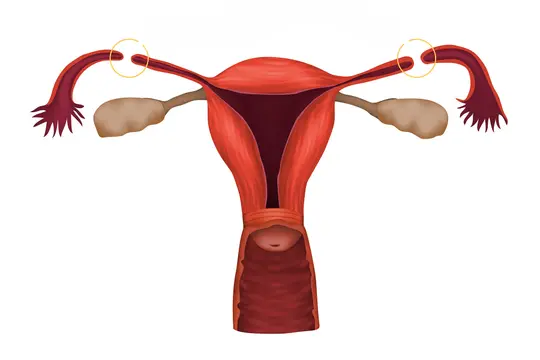
An international team of researchers from Hannover Medical School (MHH) in Germany has identified five new genetic locations linked to the development of endometrial cancer, advancing the understanding of the disease’s genetic basis. Endometrial cancer, which affects the inner lining of the uterus, is a prevalent gynecological cancer with around 400,000 new cases and nearly 100,000 deaths globally each year.
While established risk factors include obesity, diabetes, elevated estrogen levels, and age, about 5 percent of cases have a known hereditary basis related to syndromes like Lynch and Cowden. However, the genetic contributors to many cases remained uncertain until now. The MHH-led study increased known genetic risk factors from 16 to 21 by analyzing genetic data from over 17,000 women with endometrial cancer and nearly 290,000 healthy controls across multiple countries, then confirming findings in an additional participant group.
One gene of particular interest, Navigator-3 (NAV3), was shown to function as a tumor suppressor in the uterine lining. When NAV3 was inactivated, uterine cells proliferated more rapidly, while its overactivity induced cell death. Researchers observed significantly reduced NAV3 levels in endometrial cancer tissues, suggesting its role in restraining tumor growth.
These discoveries mark a significant step towards more accurate hereditary risk prediction, improved preventive strategies, and development of targeted therapies for endometrial cancer.
Disclaimer: This article summarizes recent research findings and does not constitute medical advice. Individuals concerned about cancer risk should consult healthcare professionals for personalized information and diagnosis.