 0
0
 0
0
Major pharmaceutical companies are racing to develop the next wave of weight loss treatments, moving beyond simply reducing body weight to address a critical concern: the loss of muscle mass that often accompanies fat loss with current therapies.
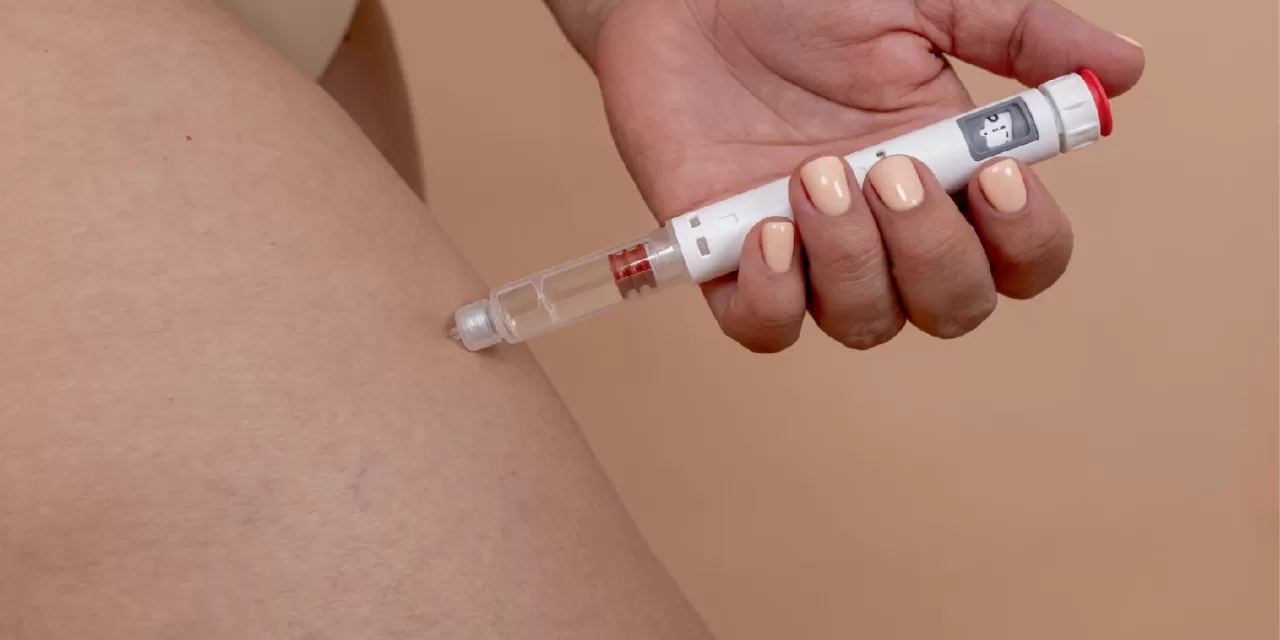
Current weight loss methods—including lifestyle changes, surgical procedures, and popular injectable drugs such as Novo Nordisk’s Wegovy and Eli Lilly’s Zepbound—have demonstrated significant efficacy, helping patients lose up to 15–20% of their body weight in clinical trials. However, these treatments also lead to a reduction in muscle mass, with some studies showing that up to 40% of the weight lost may come from lean or fat-free mass rather than excess fat. This side effect raises the risk of falls and decreases overall strength, particularly among older adults.
In response, drugmakers are now focusing on therapies that help preserve or even grow muscle while patients shed pounds. Eli Lilly is a frontrunner in this effort, having invested nearly $2 billion in 2023 to acquire Versanis Bio and its experimental drug bimagrumab. Bimagrumab works by inhibiting myostatin, a protein that limits muscle growth, and is currently being tested both alone and in combination with Wegovy. The company is also collaborating with China-based Laekna to develop similar treatments.
Regeneron is another key player, testing its antibody drug trevogrumab alongside Wegovy and another investigational therapy, garetosmab, in a three-part study involving both healthy and obese participants. Trevogrumab, like bimagrumab, targets pathways involved in muscle preservation.
Clinical trials for these new drugs are expected to be completed within the next year. In addition to measuring changes in total body weight, these studies will assess fat mass, waist circumference, body composition, and thigh muscle volume. Other companies, including Scholar Rock and Veru, are also advancing muscle-preserving therapies, with Veru already reporting promising early results in reducing muscle loss when its drug enobosarm is combined with Wegovy.
Analysts estimate that the market for these new muscle-preserving obesity drugs could reach $1–5 billion annually by the end of the decade, as part of a broader obesity drug market projected to hit $150 billion in annual sales by the early 2030s.
Disclaimer:
This article is based on information from recent news reports and industry developments. The new drugs and treatments described are still under investigation and have not yet received regulatory approval. Always consult a healthcare professional before starting or changing any treatment regimen.