 0
0
 0
0
Groundbreaking research from August and early September 2025 is reshaping our understanding of diseases from heart attacks to food allergies, with discoveries that challenge traditional beliefs and open new avenues for treatment. Scientists from Finland and the UK have presented evidence suggesting infectious biofilms inside arteries may trigger heart attacks, while Stanford researchers found ways to reverse autism-like symptoms in mice. In parallel, advances in CRISPR technology promise more effective genetic therapies, and a surprising new chemical pathway was identified for life-threatening food allergies, highlighting crucial implications for public health worldwide.
Infectious Processes Behind Heart Attacks: A Paradigm Shift
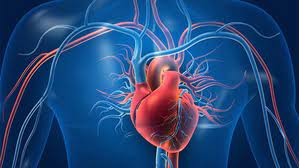
Historically, heart attacks have been primarily linked to cholesterol buildup and lifestyle factors. However, recent studies published in September 2025 reveal that bacterial biofilms hidden within arterial plaques play a critical role in triggering heart attacks. Scientists based in Finland and the UK uncovered that these persistent bacterial colonies, which form protective layers inside the arteries, contribute to plaque rupture and vascular inflammation. This evidence broadens the understanding of cardiovascular disease mechanisms, suggesting infections may be as significant as traditional risk factors.
Dr. Maria Virtanen, a cardiovascular researcher not involved in the study, comments, “This discovery could lead to novel therapeutic strategies targeting infections to prevent heart attacks, potentially revolutionizing the standard of care for heart disease.” While this finding is promising, experts caution that further clinical trials are necessary to determine effective treatments targeting these biofilms.
A Hidden Chemical Culprit in Food Allergies
Food allergies are a growing public health concern, often causing severe and life-threatening reactions. Researchers have traditionally focused on histamine as the main driver of allergic responses. However, a recent discovery has pinpointed leukotrienes, chemicals released by specialized mast cells in the gut, as a more critical factor in severe allergic reactions.
This breakthrough, reported in studies from September 2025, reveals that leukotrienes—not histamine—may be the primary agents causing dangerous gut inflammation during food allergies. This new understanding could transform allergy treatment approaches, shifting from histamine blockers toward targeting leukotriene pathways.
Dr. Anaya Kapoor, an immunologist, explains, “Targeting leukotrienes offers a promising strategy for more effective allergy management and could save lives, especially in patients with severe food allergies.”
CRISPR’s New Nanostructure Boosts Gene Editing
Gene therapy continues to evolve, and in a major technological leap, Northwestern scientists have developed a novel nanostructure that dramatically enhances CRISPR’s ability to enter cells safely and efficiently. This new “nanocarrier” encapsulates CRISPR components in a spherical shell, increasing gene-editing precision threefold and reducing unintended effects.
By improving delivery mechanisms, this innovation could accelerate treatments for a wide variety of genetic diseases ranging from inherited disorders to some cancers. This advance holds great promise for translating gene editing from the lab to patient care with improved safety profiles.
Dr. Samir Patel, a geneticist unaffiliated with the research, remarked, “This development addresses one of the major barriers in gene therapy — efficient and targeted delivery — potentially making CRISPR-based treatments more accessible and effective.”
Other Noteworthy Developments: Autism, COVID-19 Prevention, and Diet
-
Stanford researchers identified that hyperactivity in a specific brain region, the reticular thalamic nucleus, drives autism-like symptoms in mice. They demonstrated that drugs and neuromodulation techniques could reverse these behaviors, opening potential pathways for future therapies in humans.
-
A common hay fever nasal spray showed a surprising reduction of COVID-19 infection rates by two-thirds in clinical trials, offering a low-cost preventive tool pending further validation.
-
A dietary study involving over 1,000 children linked higher omega-3 fatty acid intake to reduced risk of nearsightedness (myopia) and identified saturated fats as risk factors, reaffirming the influence of diet on eye health.
Public Health Implications and Expert Perspectives
These findings underscore the complexity of health and disease, highlighting the infectious factors behind cardiovascular risks, new biochemical pathways in allergies, and innovative genetic tools. For healthcare professionals, these insights may translate into new diagnostic criteria, revised prevention strategies, and novel therapeutic options across clinical fields.
For the public, these advances reinforce the importance of holistic health approaches, including infection control, balanced nutrition, and awareness of emerging therapies. The evolving landscape also emphasizes ongoing research and clinical testing to ensure safety and efficacy.
At the same time, caution prevails within the scientific community, as many of these discoveries require further large-scale studies and clinical trials before routine clinical adoption. Limitations include the need to replicate findings in diverse populations and determine long-term outcomes.
Medical Disclaimer
This article is for informational purposes only and should not be considered medical advice. Always consult with qualified healthcare professionals before making any health-related decisions or changes to your treatment plan. The information presented here is based on current research and expert opinions, which may evolve as new evidence emerges.
References