 0
0
 0
0
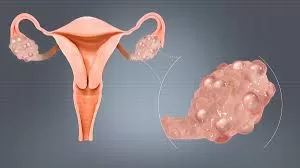
Polycystic Ovary Syndrome (PCOS), a common hormonal disorder, is affecting a growing number of Indian women, particularly in urban areas. Recent estimates suggest that between 7.2% and 19.6% of Indian women of reproductive age are impacted, with the prevalence highest in cities. PCOS is characterized by hormonal imbalances and metabolic issues, leading to symptoms such as irregular periods, weight gain, acne, excessive hair growth, and infertility.
Rising Prevalence and Urban Lifestyle Factors
Dr. Rishma Pai, a consultant gynecologist at several leading Mumbai hospitals, attributes the surge in PCOS cases to urbanization, sedentary lifestyles, unhealthy diets, and rising stress levels. She notes that low awareness and the stigma around reproductive health often result in women ignoring symptoms or seeking medical help too late. If left unmanaged, PCOS can increase the risk of type 2 diabetes, cardiovascular disease, and endometrial cancer.
Diagnostic Challenges and Delays
Traditionally, PCOS has been diagnosed using the Rotterdam criteria, which require at least two of three features: irregular or absent periods, signs of high androgen levels, and polycystic ovaries visible on ultrasound. However, this process can be inconsistent and time-consuming, causing many women to go undiagnosed for years and delaying treatment.
Common challenges include:
-
Delayed or missed diagnoses due to lack of awareness
-
Discomfort with transvaginal ultrasounds, especially for unmarried women
-
Symptoms being treated in isolation (e.g., only acne or irregular periods)
-
Mental health impacts from chronic stress, infertility, and body image issues
New Tests Bring Hope for Early, Accurate Diagnosis
A range of diagnostic tests are now available in India, offering more accurate and less invasive options:
-
Ultrasound Scans: Detect multiple small follicles on the ovaries but may not be suitable for all women.
-
Hormone Blood Tests: Measure levels of testosterone, LH, FSH, and prolactin.
-
Glucose and Insulin Resistance Tests: Identify insulin resistance, a common but under-recognized factor in PCOS.
-
AMH+ Test (Anti-Müllerian Hormone): This simple blood test measures AMH levels, which are typically higher in women with PCOS due to increased antral follicles. The AMH+ test, developed by Roche Diagnostics, is the first DCGI-approved diagnostic tool for PCOM in India and is also CE-marked in Europe. Unlike traditional methods, it can be done any day of the menstrual cycle and is non-invasive, making it more accessible and convenient.
-
Thyroid Function and Lipid Profile Tests: Assess for related metabolic and hormonal issues.
Empowering Women Through Early Detection
With the introduction of new tools like the AMH+ test, Indian women now have access to more reliable, non-invasive, and timely PCOS diagnosis. Early detection, combined with medical guidance and lifestyle changes, empowers women to take control of their reproductive health and mitigate long-term risks.
“Timely and accurate diagnosis is the first step in managing PCOS effectively. With newer diagnostic tools like the AMH+ test, combined with clinical insights and lifestyle guidance, women can take proactive control over their reproductive health.” — Dr. Rishma Pai
Disclaimer:
This article is for informational purposes only and does not constitute medical advice. Please consult a qualified healthcare provider for diagnosis and treatment of PCOS or any other health conditions.