 0
0
 0
0
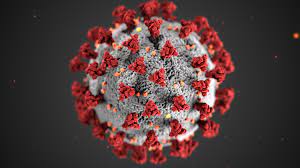
A new COVID-19 variant, NB.1.8.1, first identified in China and now dominant there, has been detected in the United States via international travelers, raising concerns among health officials and the public. This variant, a descendant of the Omicron JN.1 lineage, has rapidly spread across parts of Asia and is now being closely monitored by global health authorities.
Spread and Detection
NB.1.8.1 has been linked to a recent surge in COVID-19 cases in China, with Hong Kong reporting its worst COVID-19 levels in at least a year. The Centers for Disease Control and Prevention (CDC) has confirmed multiple cases in the U.S. through its airport screening program, with positive samples found in travelers arriving in California, Washington, Virginia, and the New York City area. Additional cases have been reported in Ohio, Rhode Island, and Hawaii, with the earliest U.S. detections dating back to late March and early April.
Severity and Transmissibility
While NB.1.8.1 is not currently believed to be more severe than previous variants, preliminary data suggest it may be more transmissible. The variant has a greater ability to bind to human cells, which could facilitate its spread. However, early research indicates it is not significantly better at evading the immune system compared to other emerging strains.
Health officials in Hong Kong and Taiwan have reported increases in emergency room visits, hospitalizations, and fatalities associated with the variant. As a precaution, Hong Kong authorities are advising residents to wear masks in crowded areas and on public transportation, and Taiwan is stockpiling vaccines and antiviral medications.
U.S. Response and Vaccine Updates
Despite the detection of NB.1.8.1 in the U.S., the number of cases remains low nationally. Health officials urge Americans not to panic but to remain vigilant, recommending basic precautions such as mask-wearing in crowded or confined spaces, especially during travel.
The Food and Drug Administration (FDA) is considering updates to COVID-19 vaccines for the upcoming fall and winter seasons. Last season’s vaccines targeted a JN.1 descendant called KP.2. Early data from Pfizer and Moderna suggest that switching to another JN.1 descendant, LP.8.1, could provide better protection against NB.1.8.1. The FDA’s advisory committee unanimously recommended that vaccines for the next season target a JN.1 lineage variant, though the specific subvariant is still under discussion.
Global Monitoring
The World Health Organization (WHO) has designated NB.1.8.1 as a Variant Under Monitoring (VUM) due to its increasing global prevalence. The variant was first sampled in January 2025 and officially designated as a VUM in May 2025.
Disclaimer:
This article is based on currently available information from reputable news sources and public health authorities as of May 25, 2025. The situation regarding COVID-19 variants is evolving, and guidance may change as new data emerge. Readers are encouraged to consult official health sources for the latest updates and recommendations.
Citations: