 0
0
 0
0
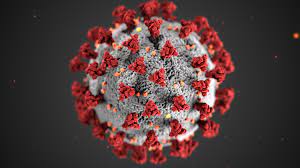
A newly identified COVID-19 subvariant, XFG, is drawing international attention after reports of its rapid transmission across several countries. Health authorities and experts are closely monitoring the situation as the subvariant appears to be spreading faster than previous strains, prompting renewed calls for vigilance and public health measures.
According to recent updates, XFG has been detected in multiple regions, with early data suggesting a higher rate of infection compared to earlier Omicron subvariants. While there is currently no evidence indicating that XFG causes more severe illness, its increased transmissibility has led to concerns about a potential surge in cases, especially in areas with lower vaccination rates or waning immunity.
Public health officials are urging people to continue practicing preventive measures such as mask-wearing in crowded spaces, maintaining good hand hygiene, and staying up to date with COVID-19 vaccinations and booster shots. Some countries have already begun ramping up testing and surveillance efforts to track the spread of XFG and assess its impact on healthcare systems.
Epidemiologists emphasize the importance of global cooperation and information sharing to effectively manage the evolving situation. Researchers are also conducting studies to determine whether XFG may affect the efficacy of existing vaccines or treatments, though no significant changes have been reported so far.
“The emergence of new subvariants like XFG highlights the ongoing need for vigilance and adaptability in our public health response to COVID-19,” said a leading virologist cited in the report.
Disclaimer:
This article is based on preliminary reports and currently available information as of July 14, 2025. The situation regarding the XFG subvariant is evolving, and new data may emerge. For the most accurate and up-to-date guidance, readers are advised to consult official health authorities and trusted news sources.