 0
0
 0
0
A groundbreaking cancer therapy developed by Japanese scientists offers a novel approach to eradicating tumors by using a combination of two bacterial species, bypassing the body’s immune system entirely. This new treatment, known as the AUN therapy, demonstrated complete tumor remission and extended survival in preclinical cancer models without triggering systemic toxicity or dangerous immune responses, representing a potentially transformative advancement in cancer care.
Key Developments and Mechanisms
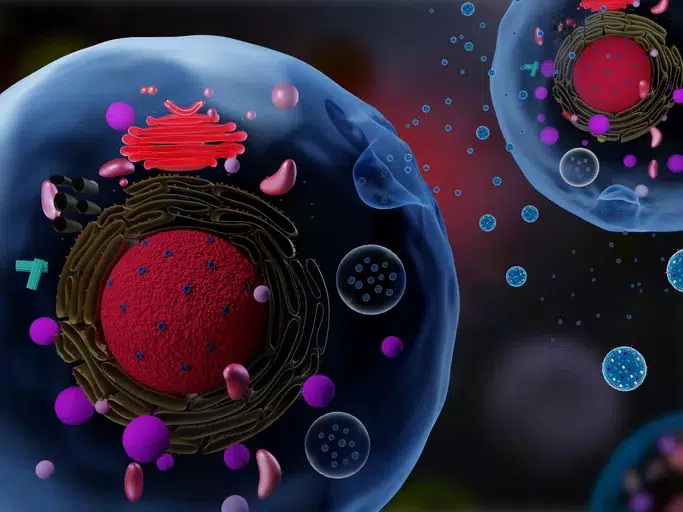
The AUN therapy consists of two naturally occurring bacteria: Proteus mirabilis (A-gyo) and the photosynthetic bacterium Rhodopseudomonas palustris (UN-gyo). These bacteria work synergistically to target and kill cancer cells once delivered intravenously. Unlike traditional immunotherapies, which rely on activating a patient’s immune response, this consortium directly destroys tumor vasculature and cancer cells independent of immune mediation.
Japanese researchers led by Professor Eijiro Miyako at the Japan Advanced Institute of Science and Technology (JAIST), alongside collaborators from Daiichi Sankyo and the University of Tsukuba, reported the therapy’s efficacy in murine and human cancer models, including highly immunocompromised environments where conventional immunotherapies often fail. The bacteria maintain a stable ratio when administered but significantly shift in proportion inside tumors—from an initial ratio of about 3:97 (A-gyo:UN-gyo) to nearly 99:1—enhancing targeted tumor destruction.
Notably, A-gyo used in this treatment is a strain distinct from pathogenic variants found in clinical infections; it lacks harmful genes and exhibits reduced motility, allowing it to thrive in tumors without systemic infection or harmful side effects such as cytokine release syndrome, common in immune-activated cancer therapies.
Expert Commentary and Background Context
Dr. Seigo Iwata, first author of the study, emphasized that this therapy overcomes major limitations posed by immunotherapy in patients with weakened immunity due to chemotherapy or radiotherapy. Traditional immune-based treatments, including checkpoint inhibitors and CAR-T therapies, require a functional immune system, which many late-stage cancer patients lack.
“This approach redefines cancer treatment by acting directly against tumors without relying on the immune system, thus opening therapeutic options for a broader patient population,” explained Miyako’s team leader. The study was published recently in the journal Nature Biomedical Engineering, highlighting over 150 years of attempts to harness bacteria in cancer therapy dating back to early work by William Coley in the late 19th century.
Implications for Public Health
If successfully translated into clinical practice, this bacteria-based therapy could revolutionize cancer treatment paradigms, especially for immunocompromised patients. Its ability to eradicate tumors without immune activation may reduce risks associated with immune-related adverse events, broadening safe treatment options.
Moreover, the therapy’s specificity to tumors and lack of systemic toxicity suggest it may offer a better side effect profile than many conventional chemotherapies. This could improve quality of life for patients undergoing treatment and potentially extend survival.
Potential Limitations and Counterarguments
While preclinical results are promising, the therapy has yet to undergo extensive human clinical trials. Questions remain about long-term safety, potential resistance mechanisms tumors might develop, and the scalability of producing precisely controlled bacterial formulations for therapy.
Experts also caution that bacteria-based treatments must be carefully monitored to avoid unintended infections or off-target effects, despite the engineered non-pathogenic nature of the strains used. Future research needs to clarify dosing, delivery methods, and efficacy across diverse cancer types.
Practical Takeaways for Readers
Though not yet available clinically, this innovative therapy exemplifies a promising new frontier in cancer treatment that moves beyond traditional immune system dependence. It underscores ongoing advances in biotechnology harnessing microbes for targeted disease control.
Patients and caregivers should maintain awareness of emerging treatment options while continuing to follow established medical guidance. Consultation with oncologists remains critical before considering any new or experimental therapies.
Medical Disclaimer: This article is for informational purposes only and should not be considered medical advice. Always consult with qualified healthcare professionals before making any health-related decisions or changes to your treatment plan. The information presented here is based on current research and expert opinions, which may evolve as new evidence emerges.
References