 0
0
 0
0
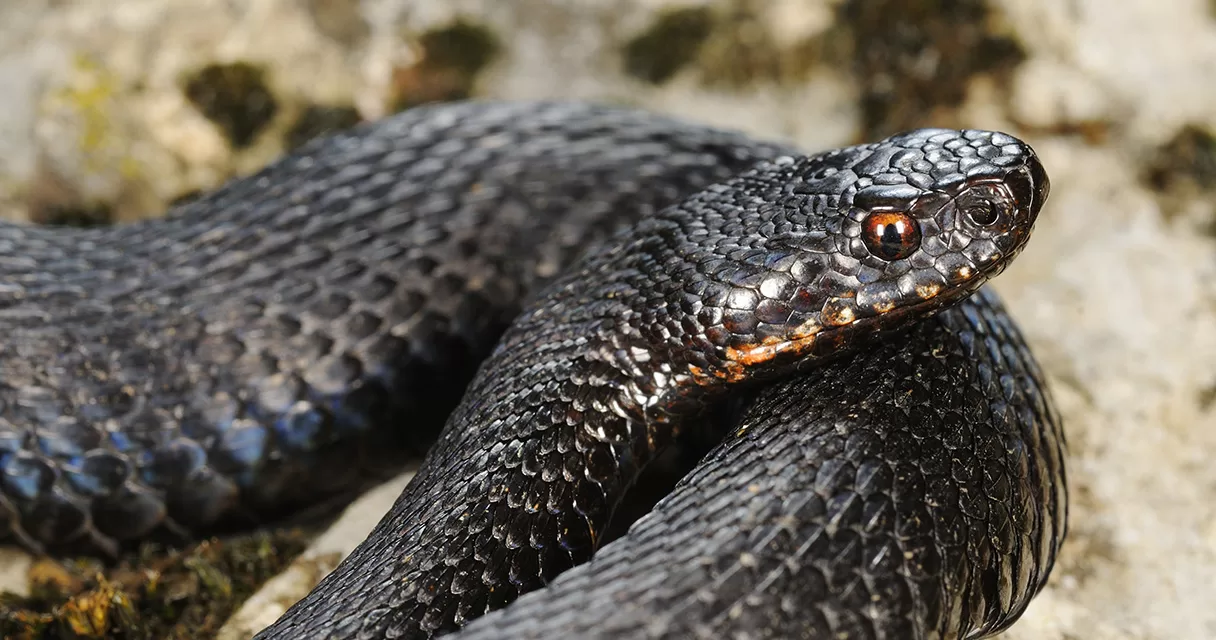
In a major scientific breakthrough, researchers from the Technical University of Denmark (DTU) have developed an innovative broad-spectrum antivenom exhibiting effectiveness against venom from 17 different African snake species. This development signals a promising advancement in the treatment of venomous snakebites, which remain a significant public health challenge, especially in Africa where snakebites cause nearly 150,000 deaths annually worldwide and leave thousands with disabilities such as amputations and tissue damage.
The new antivenom was produced by combining eight carefully selected nanobodies—small, highly targeted antibody fragments—forming a potent cocktail that neutralizes venom toxins from a wide range of medically important snakes, including several species of cobras, mambas, and the rinkhals. Unlike traditional antivenoms, which rely on antibodies derived from immunized horses and often have variable quality and risk of harmful side effects, this recombinant antivenom is developed using phage display technology. This method enables the selection, replication, and large-scale consistent production of high-quality nanobodies without the need to extract antibodies from animals, enhancing both safety and scalability.
Key Findings and Novelty
The DTU research team demonstrated that when the antivenom was mixed directly with venom before injection in laboratory tests, it successfully neutralized venom from 17 of 18 tested species across Africa, with only one green mamba species showing resistance. This broad coverage is crucial given the diversity of venom compositions among African snakes. For example, neurotoxic venoms from species such as the cape cobra paralyze the nervous system, while cytotoxic venoms like those from spitting cobras cause tissue damage and potentially amputations. The nanobody cocktail targets these diverse toxins with high precision.
Lead researcher Professor Andreas Hougaard Laustsen-Kiel emphasized that current antivenoms often provide inconsistent protection because they are derived from mixtures of antibodies where only a fraction target the dangerous toxins. He noted, “Our antivenom has the potential to fundamentally change how snakebites are treated around the world,” reflecting optimism about overcoming major limitations of existing therapies.
Expert Commentary
Dr. Emily Turner, a clinical toxicologist unaffiliated with the study, remarked, “This nanobody approach is very promising, as it not only targets a broad array of venom toxins but also potentially reduces the risk of immune reactions common with animal-derived antivenoms. However, clinical trials in humans are essential to confirm safety and efficacy before it can be widely adopted.” .
Context and Public Health Implications
Snakebites remain a neglected tropical disease disproportionately affecting rural and low-income populations in Africa, where access to effective antivenoms is often limited by cost, availability, and cold chain requirements. Conventional antivenoms are expensive and sometimes ineffective across the variety of regional snake species. The new nanobody-based antivenom is expected to be cheaper to produce—potentially less than half the cost of current options—and more physically stable, meaning reduced storage challenges in resource-limited settings.
If successfully brought to market, this antivenom could reduce mortality and serious morbidity, including amputations, that result from delayed or ineffective treatment. Its broad species coverage is especially valuable in regions where multiple venomous snakes coexist, improving treatment responsiveness without needing to identify the exact snake species, which is often not possible in emergencies.
Limitations and Future Directions
Despite its promise, the antivenom has only been tested in preclinical animal models, and its real-world effectiveness in humans remains to be established. The research team acknowledges that its neutralizing capability is diminished when administered after venom injection, emphasizing the importance of prompt treatment. Certain species, including the highly venomous black mamba and forest cobra, were only partially neutralized, signaling the need for further optimization.
The researchers are actively refining the composition of the nanobody cocktail to improve efficacy and are seeking funding to begin clinical trials within the next one to two years. A market-ready product could be available within three to four years, potentially saving thousands of lives in affected regions.
Conclusion
This breakthrough represents a significant step forward in snakebite treatment by offering a scalable, more affordable, and broadly effective alternative to conventional antivenoms. While awaiting comprehensive human testing, the new nanobody-based antivenom holds the promise to substantially mitigate the global burden of snakebite envenoming, especially in Africa’s high-risk populations.
Medical Disclaimer: This article is for informational purposes only and should not be considered medical advice. Always consult with qualified healthcare professionals before making any health-related decisions or changes to your treatment plan. The information presented here is based on current research and expert opinions, which may evolve as new evidence emerges.
References:
- https://ddnews.gov.in/en/new-antivenom-effective-against-17-african-snake-species/
- https://tennews.in/new-antivenom-effective-against-17-african-snake-species/