 0
0
 0
0
A promising new malaria treatment developed by Novartis, known as GanLum (ganaplacide/lumefantrine), has demonstrated impressive efficacy in a large Phase III clinical trial conducted across 12 African countries. This novel drug could represent the first major advance in malaria treatment in over two decades, particularly given its potential effectiveness against drug-resistant strains of the parasite responsible for malaria.
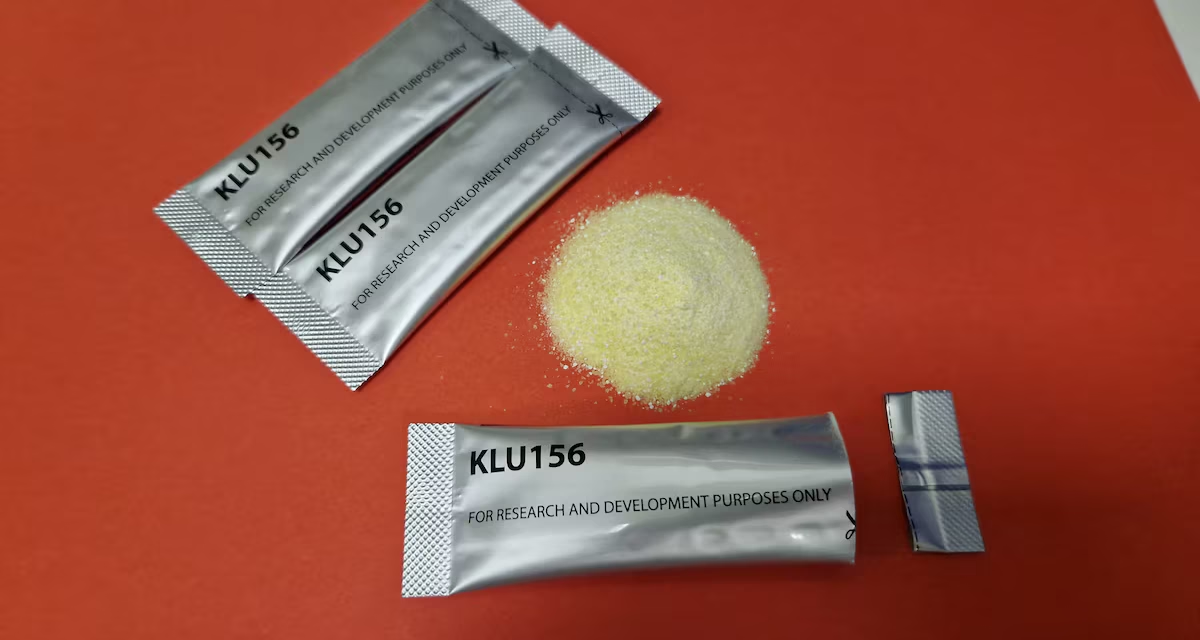
In a study involving 1,688 adults and children with uncomplicated malaria caused by Plasmodium falciparum, GanLum achieved a PCR-corrected cure rate of 97.4%, surpassing the 94% cure rate of the current standard of care, artemether-lumefantrine (Coartem®). When analyzed under conventional methods, the cure rate for GanLum reached 99.2% compared to 96.7% for the standard therapy. The treatment was administered as a once-daily sachet of granules over three days.
GanLum’s innovation lies in its novel active compound, ganaplacide, which operates via a completely new mechanism. It disrupts the internal protein transport systems within malaria parasites, critical for their survival inside red blood cells, enabling it to kill both drug-sensitive and some resistant strains of the parasite. The other component, lumefantrine, is an existing antimalarial with a longer-acting profile, enhancing efficacy. This dual-action approach not only treats the disease effectively but also targets the parasite at multiple stages, including the mature gametocyte phase responsible for spreading the infection to mosquitoes.
Experts have hailed this development as a significant step forward in addressing the growing threat of drug resistance in malaria treatment. Dr. Abdoulaye Djimdé, Professor of Parasitology at the University of Science, Techniques and Technologies of Bamako in Mali, remarked, “GanLum could represent the biggest advance in malaria treatment for decades, with high efficacy against multiple forms of the parasite as well as the ability to kill mutant strains showing resistance to current medicines.” Resistance to artemisinin-based therapies, the cornerstone of malaria treatment since the late 1990s, is an escalating public health challenge in parts of Africa.Malaria remains a leading cause of morbidity and mortality in sub-Saharan Africa, with drug-resistant strains threatening to reverse hard-won gains in disease control. The development of GanLum responds directly to this urgent need. Its proven efficacy in a large, geographically diverse population enhances confidence in its potential impact across malaria-endemic regions. Furthermore, its capacity to block transmission by targeting sexual-stage parasites supports broader disease control and eradication goals.
Clinical trial data were rigorously evaluated at 34 trial sites across 12 countries in sub-Saharan Africa, including Kenya, Nigeria, and Mali. The study enrolled patients weighing at least 10 kilograms with acute uncomplicated malaria, ensuring relevance across a broad age and weight range. Notably, the drug’s safety profile was favorable, with the regimen being well tolerated and convenient due to once-daily dosing over three days, potentially improving adherence and treatment outcomes.
While the findings are encouraging, experts caution that new treatments must be integrated into comprehensive malaria control strategies inclusive of vector control, diagnostics, and surveillance for resistance. Real-world effectiveness and long-term resistance patterns will require ongoing monitoring as GanLum is introduced. Additionally, economic and logistical factors concerning drug accessibility and distribution in resource-limited settings are important considerations for maximizing public health benefits.
Novartis plans to seek regulatory approval for GanLum promptly, aiming to make this treatment widely available pending review by health authorities and the World Health Organization. This aligns with Novartis’ longstanding commitment to combat malaria, having provided over 1.1 billion treatment courses of Coartem largely on a no-profit basis globally.
For individuals in malaria-endemic areas, this advancement offers hope for a more effective treatment option that could reduce illness severity and transmission risk. However, it remains crucial to continue preventive measures, including using insecticide-treated nets, prompt diagnosis, and seeking timely medical care. Health professionals should stay abreast of evolving treatment guidelines as new therapies like GanLum become available.
Medical Disclaimer: This article is for informational purposes only and should not be considered medical advice. Always consult with qualified healthcare professionals before making any health-related decisions or changes to your treatment plan. The information presented here is based on current research and expert opinions, which may evolve as new evidence emerges.
References:
- https://www.novartis.com/news/media-releases/novartis-phase-iii-trial-next-generation-malaria-treatment-klu156-ganlum-meets-primary-endpoint-potential-combat-antimalarial-resistance
- https://www.reuters.com/business/healthcare-pharmaceuticals/new-effective-anti-malaria-drug-could-help-fight-rising-resistance-says-novartis-2025-11-12/