 0
0
 0
0
A groundbreaking blood test developed by researchers at the University of Melbourne could soon revolutionize the diagnosis of rare genetic diseases in infants and children, offering hope to millions of families worldwide. The new method, unveiled at the annual conference of the European Society of Human Genetics, enables the rapid, minimally invasive detection of thousands of rare genetic disorders—potentially ending years of uncertainty for affected families.
A Major Leap Forward in Rare Disease Diagnosis
Rare genetic diseases, while individually uncommon, collectively affect an estimated 300 million people globally. Traditionally, diagnosing such conditions has been a slow, painstaking process, often involving a battery of targeted tests, invasive procedures, and inconclusive results. Approximately half of all patients with a suspected rare disease remain undiagnosed, sometimes for decades.
The new test, spearheaded by Dr. Daniella Hock and her team, analyzes thousands of proteins in a single, untargeted blood sample—rather than sequencing genes directly. Since most genes code for proteins, this proteomic approach provides crucial insights into how genetic mutations alter protein function, leading to disease.
Fast, Accurate, and Minimally Invasive
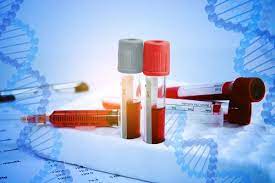
One of the test’s most remarkable features is its speed and minimal invasiveness. Requiring just 1 milliliter of blood, the test can deliver results in under three days—an especially critical advantage for infants and children in acute care. When samples from both parents are analyzed alongside the child’s (a process called “trio analysis”), the test can distinguish between carriers of a genetic mutation and individuals who are actually affected by the disease, increasing diagnostic accuracy.
“For the patient, such a molecular diagnosis means rapid access to appropriate treatment, a prognosis, and an end to numerous, sometimes invasive tests,” Dr. Hock explained during her presentation.
Broad Impact for Families and Healthcare Systems
The benefits of this new test extend beyond the patient. A confirmed diagnosis can open doors to reproductive options for families, such as prenatal or preimplantation genetic testing to prevent recurrence in future pregnancies. For healthcare systems, the ability to replace multiple targeted tests with a single, comprehensive analysis could lead to significant cost savings and earlier, more effective interventions.
A recent study in collaboration with the Melbourne School of Population and Global Health found that implementing this proteomic test in clinical settings would cost about the same as current tests for rare mitochondrial diseases, but with the added advantage of being able to diagnose thousands of other conditions.
Looking Ahead
Dr. Hock’s team hopes to see their test adopted as a standard diagnostic tool for rare and genetic diseases. “The ability to use so little blood from infants and to produce robust results with a rapid turnaround time has been revolutionary to families,” she said. “We believe that the use of this test in clinical practice will bring considerable benefits to patients, their families, and to health care systems by reducing the diagnostic time.”
Professor Alexandre Reymond, chair of the conference, added, “Non-invasive agnostic approaches such as genome sequencing and protein analysis will allow us to reach a diagnosis more rapidly in the future. They will also permit the solving of previously unsolvable cases, thus helping families worldwide.”
Disclaimer:
This article is based on research findings presented at the European Society of Human Genetics conference and reported by Medical Xpress on May 25, 2025. The new blood test is still under research and may not yet be widely available in clinical practice. Individuals seeking diagnosis or treatment for rare genetic diseases should consult qualified healthcare professionals for the most current information and advice.
Citations: