 0
0
 0
0
Researchers at the Translational Genomics Research Institute (TGen) and the Lundquist Institute for Biomedical Innovation have made a significant stride in the fight against Long COVID, identifying a potential biomarker that could lead to a definitive diagnosis for the debilitating condition. The findings, published in the journal Infection, offer the first specific and quantifiable indicator for a syndrome that has, until now, been diagnosed based on a constellation of symptoms.
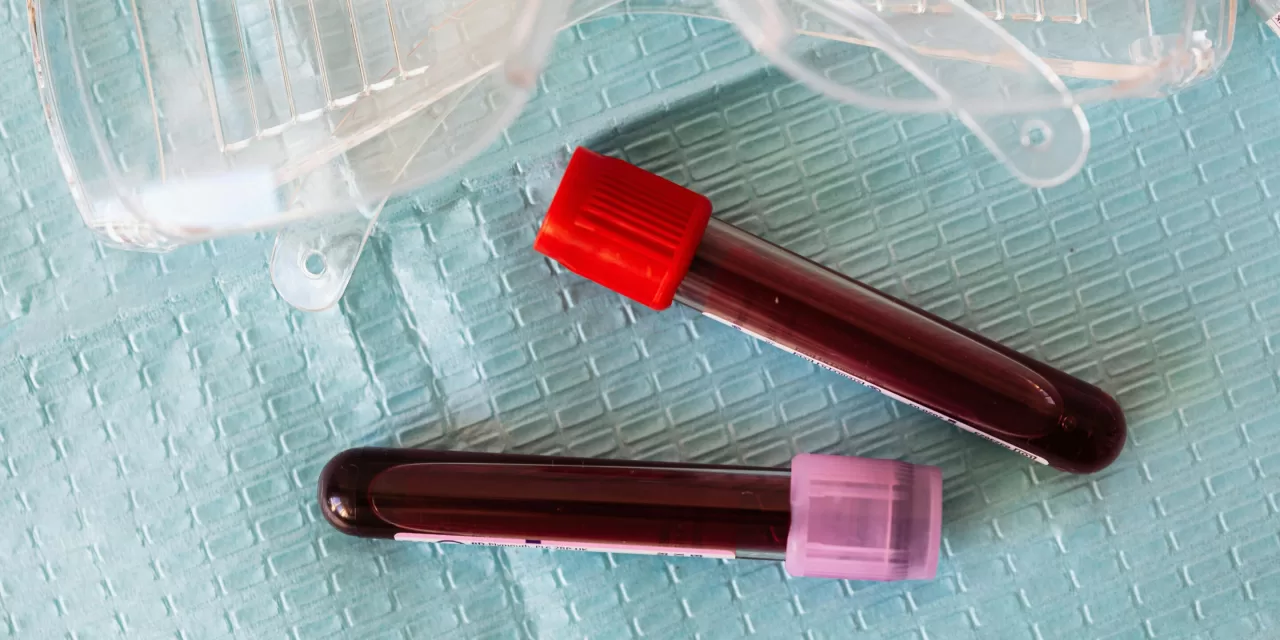
The study centered on the detection of protein fragments from the SARS-CoV-2 virus within extracellular vesicles (EVs) found in the blood of Long COVID patients. EVs are tiny, membrane-bound particles released by cells that carry proteins and genetic material. The researchers analyzed 56 blood samples from 14 patients over a three-month period, discovering 65 distinct protein fragments from the virus’s Pp1ab protein, an RNA Replicase enzyme, inside these EVs.
Crucially, this specific viral protein was not present in a control group of pre-pandemic blood samples, suggesting a direct link to the SARS-CoV-2 infection. The presence of these fragments points to a compelling new theory: that the virus may persist in certain body tissues long after the initial infection has cleared, with the EVs potentially serving as a transport mechanism to different parts of the body.
While the discovery is a major step forward, the TGen researchers stress that further investigation is needed. They noted that the molecular signal of the viral peptides was subtle and not consistently detected at every blood collection point, indicating the need for more robust testing and validation. Researchers also plan to examine whether the exercise training involved in the trial influenced the results and to determine if the peptides are a sign of ongoing viral activity or simply “molecular trash” left behind from a past infection.
This research, funded by the Pulmonary Education and Research Foundation and the UCLA David Geffen School of Medicine-Ventura County Community Foundation, provides a beacon of hope for millions of people worldwide suffering from Long COVID. The identification of a physical marker could pave the way for more accurate diagnoses and, ultimately, the development of targeted treatments.
Disclaimer: This news article is for informational purposes only and should not be considered medical advice. Always consult with a healthcare professional for diagnosis and treatment of any health condition.
Reference:
https://www.tgen.org/news/researchers-identify-a-potential-biomarker-for-long-covid/