 0
0
 0
0
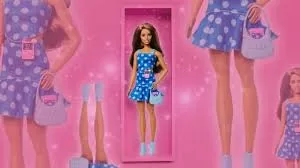
Barbie, the world’s most iconic doll, is making waves again—this time, by reflecting the lives of children living with type 1 diabetes. Mattel’s latest addition to the Barbie Fashionistas line is the first to feature the medical tools many young people with diabetes use every day, aiming to foster representation, fight stigma, and normalize conversations about chronic illness.
Recognizing the Journey of Many Children
The new Barbie comes styled in a blue polka-dot top and skirt—blue being the international symbol for diabetes awareness. Most notably, she wears a continuous glucose monitor (CGM) on her arm, secured by heart-shaped, Barbie-pink tape, and a small insulin pump at her waist. She also comes with a pink smartphone displaying a CGM app to track blood sugar, a pastel blue purse, and necessary snacks for managing blood sugar lows—all true to the lived experience of kids with type 1 diabetes.
Mattel developed the doll in partnership with Breakthrough T1D (formerly JDRF), working closely with children, families, and medical professionals to ensure accuracy and sensitivity. The collaboration aimed to enable more children to see themselves reflected in the toys they play with and spark empathy and understanding among their peers.
“For children with type 1 diabetes, a toy reflecting their condition makes them feel included. It also helps other children develop empathy rather than treat them as an oddity to be bullied or shamed,” said Dr. Aparna Ramakrishnan, psychiatrist at Kokilaben Dhirubhai Ambani Hospital, Mumbai.
Empowerment Beyond Play
For kids living with chronic illness, Barbie’s new look is more than just a fashion statement. Experts agree that seeing their reality in a popular toy can help:
-
Reduce feelings of isolation and difference
-
Bolster self-esteem and resilience
-
Make routine diabetes care less daunting
-
Spark conversations about disability and health
-
Break down misconceptions and stigma about chronic illness
Parents and children have expressed renewed hope and pride, sharing that the doll not only validates their experience but educates others around them. As one young advocate shared, the doll “turns stigma into something softer—something that can be talked about, shared, even celebrated”.
A Step—Not the Destination—For Representation
While the introduction of a Barbie with type 1 diabetes is a significant win for inclusion, advocacy groups stress there’s still work to be done in making diabetes technology and care accessible to all children, regardless of where they live or their family’s resources.
For now, this Barbie stands as a visible affirmation for children managing type 1 diabetes, reminding them that they belong—and empowering all kids to learn that health challenges are just a part of life, not a limitation.
Disclaimer:
This article is for informational purposes and highlights the new Barbie doll with type 1 diabetes as reported in press sources and medical commentary. It is not a substitute for medical advice, diagnosis, or treatment. For information about type 1 diabetes or diabetes care, please consult with a qualified healthcare professional.