 0
0
 0
0
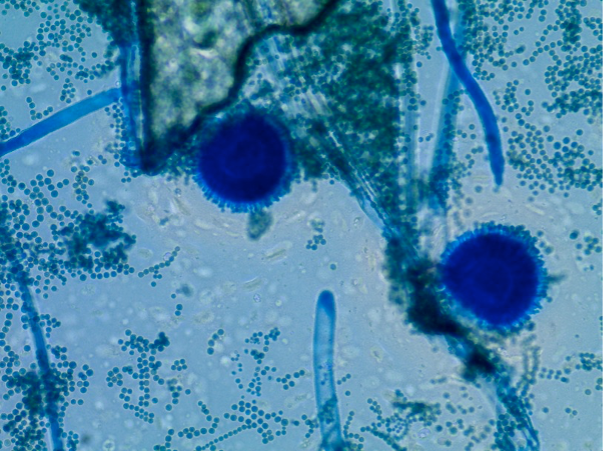
Chennai, September 18, 2025 — Researchers from the Wadhwani School of Data Science and AI (WSAI) at IIT Madras, in collaboration with the ICMR-National Institute for Research in Reproductive and Child Health (ICMR-NIRRCH), have pioneered a novel systems biology approach targeting Candida albicans (CAL), a fungal pathogen responsible for systemic candidiasis that claims nearly one million lives worldwide each year. This innovative method integrates computational modeling with laboratory experiments to reveal metabolic vulnerabilities in the fungus that were previously undetectable by conventional techniques, potentially opening new avenues for antifungal drug development.
Key Findings and Research Approach
Candida albicans normally coexists harmlessly in areas such as the mouth, gut, skin, and vaginal tract but can cause severe life-threatening infections in immunocompromised individuals when it invades the bloodstream and internal organs. Systemic candidiasis carries a staggering fatality rate of up to 63.6% in severe cases, with approximately 470,000 cases annually reported in India and 1.6 million globally.
The research team, led by Professor Karthik Raman (IIT Madras) and Professor Susan Thomas (ICMR-NIRRCH, Mumbai), employed an integrated systems biology methodology combining the human metabolic model (Recon3D) and the Candida albicans fungal metabolic model (iRV781). This computational simulation helped identify how the pathogen metabolizes nutrients within the host environment, revealing critical weaknesses masked in regular laboratory cultures.
A pivotal discovery was identifying arginine metabolism as a critical process in the fungus’s virulence. Specifically, the enzyme ALT1 was pinpointed as a metabolic bottleneck essential for the pathogen’s ability to cause infection. Experimental validation using cell cultures and mouse models demonstrated that deletion of the ALT1 enzyme significantly reduced the fungus’s infection capability, confirming its potential as a novel drug target.
Expert Perspectives
“This multidisciplinary approach marks a significant shift from traditional trial-and-error drug discovery to data-driven identification of metabolic vulnerabilities,” said Professor Karthik Raman. “By targeting ALT1, we can develop therapies that bypass current drug resistance, improving patient survival and reducing mortality and treatment costs.”
Dr. Susan Thomas added, “The rise of antifungal resistance necessitates innovative strategies. Our integrated model offers a powerful platform for discovering novel therapeutic targets that conventional methods often miss.”
Global Context and Public Health Implications
Fungal infections represent a rapidly growing global health threat. Recent reviews estimate that over 6.5 million people annually suffer from invasive fungal infections worldwide, which cause nearly 3.8 million deaths. Candida infections alone affect approximately 1.57 million people per year and result in close to one million deaths, reflecting a mortality rate over 60%. Notably, these figures are considerably higher than previously recognized due to underdiagnosis, misattribution of death causes, and rising antifungal resistance.
In India, serious fungal infections impact roughly 4.1% of the population, an estimated 57 million patients according to recent data synthesis. Despite this significant burden, awareness and research investment remain limited, underscoring the urgent need for improved diagnostics and effective treatments.
This new approach from IIT Madras and ICMR could pave the way for a new generation of antifungal drugs targeting metabolic processes fundamental to fungal survival and infection, addressing the critical challenge posed by drug-resistant strains.
Limitations and Future Directions
While promising, this research requires further clinical development and validation before translating into widely available therapies. The complexity of host-fungal interactions means that metabolic targeting should be balanced with potential effects on the human host’s physiology.
Additionally, fungal infections often coexist with other underlying diseases such as cancer or immunosuppression, complicating treatment outcomes. Continued multidisciplinary research is essential to refine these findings and integrate them with clinical practice.
Practical Advice for Readers
Individuals with weakened immune systems—such as those with HIV/AIDS, undergoing chemotherapy, or with chronic illnesses—and healthcare providers should be aware of the high risks posed by systemic fungal infections. Early diagnosis and adherence to prescribed antifungal therapies remain paramount. Enhanced hygiene, avoiding unnecessary antibiotic use, and monitoring symptoms like persistent fever or systemic warning signs can aid timely intervention.
Medical Disclaimer: This article is for informational purposes only and should not be considered medical advice. Always consult with qualified healthcare professionals before making any health-related decisions or changes to your treatment plan. The information presented here is based on current research and expert opinions, which may evolve as new evidence emerges.
References