 0
0
 0
0
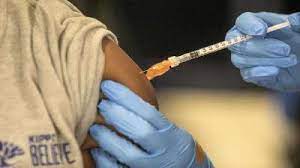
The American College of Cardiology (ACC) has issued new vaccination recommendations targeting adults with cardiovascular disease, emphasizing immunization against five key vaccines: COVID-19, influenza, respiratory syncytial virus (RSV), pneumonia, and herpes zoster (shingles). These guidelines, recently published in the Journal of the American College of Cardiology (JACC), highlight the critical role vaccines play in protecting heart patients from severe complications and death linked to respiratory and other infections.
People living with heart disease face significantly higher risks of hospitalization and mortality when infected by respiratory viruses. Despite robust evidence demonstrating vaccine effectiveness in mitigating these dangers, a 2021 study cited by the ACC noted that only 30% of primary care physicians address vaccination status during routine visits, revealing a gap in preventive care education. Dr. Paul Heidenreich, chair of the ACC’s Concise Clinical Guidance committee, stresses the importance of overcoming educational and access barriers to improve vaccine uptake in this vulnerable population.
Key Vaccine Recommendations and Their Benefits
The ACC guidance aligns with recommendations from the CDC and the American Heart Association, focusing primarily on respiratory virus vaccines but also citing emerging evidence that vaccines like herpes zoster may confer cardiovascular protective benefits. The recommendations include:
-
Influenza vaccine: Recommended annually for all adults to reduce the incidence of cardiovascular events and all-cause mortality. Notably, nasal flu vaccine formulations are discouraged in patients older than 50 years due to lower efficacy concerns.
-
Pneumococcal vaccine: Advised for all adults aged 19 and older with heart disease to protect against pneumonia, bacteremia, and meningitis. The CDC’s Advisory Committee on Immunization Practices recommends either a single dose of PCV20 or PCV21, or PCV15 followed by PPSV23, tailored to vaccination history.
-
COVID-19 vaccine: All adults with heart disease should receive COVID-19 vaccination during the 2025-26 respiratory season with ongoing benefits expected. Vaccination reduces risks of infection and severe outcomes including heart attack, myocarditis, stroke, and long COVID symptoms.
-
RSV vaccine: A single dose is advised for all adults aged 75 and older and for those aged 50 to 74 who have cardiovascular disease, to prevent severe lower respiratory disease and hospitalization.
-
Herpes zoster vaccine: Two doses are recommended for adults 50 and older to prevent shingles and its complications such as increased risk of stroke and heart attack, which are elevated in heart disease patients.
Expert Perspectives and Clinical Context
Dr. Heidenreich emphasizes integrating vaccine discussions into cardiology visits as a strategic moment to address hesitancy and improve adherence. “Vaccination against communicable respiratory diseases and other serious illnesses is vital for people with heart disease,” he notes, underscoring how clinician engagement can dispel myths and logistical barriers that hinder vaccine uptake.
Cardiologists and primary care providers are encouraged to proactively incorporate these recommendations into routine cardiovascular care plans. The ACC document includes frequently asked questions to facilitate dialogue between patients and clinicians about the safety, timing, and benefits of these vaccines.
Public Health Implications and Limitations
As heart disease remains a leading cause of morbidity and mortality worldwide, increasing vaccination coverage in this population could substantially reduce hospitalizations and deaths linked to respiratory infections and shingles. The guidance underscores that improving education, access, and clinician advocacy is essential to closing the vaccination gap.
However, potential limitations include varying vaccine availability, evolving vaccine recommendations, and the need for ongoing research to precisely quantify cardiovascular protective effects beyond respiratory illness prevention. The ACC calls for further studies and real-world monitoring to refine guidance as new evidence emerges.
Practical Takeaways for Readers
For individuals living with cardiovascular disease, this guidance reinforces the importance of regular vaccination as a cornerstone of preventive care. Patients should consult their healthcare providers about receiving the flu shot annually and staying current with pneumococcal, COVID-19, RSV, and shingles vaccines as recommended based on age and health status.
By understanding the connection between infections and cardiovascular events, patients can make informed choices that support their overall heart health and reduce risks associated with preventable infections.
Medical Disclaimer: This article is for informational purposes only and should not be considered medical advice. Always consult with qualified healthcare professionals before making any health-related decisions or changes to your treatment plan. The information presented here is based on current research and expert opinions, which may evolve as new evidence emerges.
References
-
https://www.cidrap.umn.edu/adult-non-flu-vaccines/new-acc-guidance-urges-uptake-5-vaccines-heart-patients#:~:text=Today%2C%20the%20American%20College%20of,and%20herpes%20zoster%20(shingles).