 0
0
 0
0
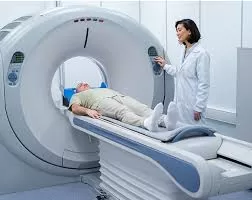
A tragic incident at Alto Vale Regional Hospital has underscored the potentially fatal risks of severe allergies. Leticia Paul, a 22-year-old woman with a known history of allergies to peanuts, shellfish, pollen, and bee stings, died after experiencing a sudden and severe anaphylactic shock triggered by a contrast agent used during a CT scan. Despite emergency interventions, including intubation and intensive care, she succumbed within 24 hours, highlighting the critical importance of allergy awareness and preparedness in medical settings.
Key Findings and Medical Context
Anaphylaxis is an acute, life-threatening allergic reaction that affects multiple body systems. It occurs when the immune system releases a large amount of chemicals such as histamine in response to an allergen, causing blood vessels to dilate and airways to constrict. Symptoms include swelling of the lips and throat, difficulty breathing, wheezing, dizziness, nausea, and a dangerous drop in blood pressure. Without immediate administration of epinephrine (adrenaline), anaphylaxis can rapidly lead to fatal collapse.
Contrast agents, often iodine-based dyes injected intravenously during imaging tests like CT scans, are generally safe but can cause allergic reactions in susceptible individuals. Mild side effects such as a metallic taste or nausea are common, but severe responses, including anaphylactic shock, are rare. Hospitals are required to have emergency medications ready to treat such reactions instantly.
Expert Commentary
Dr. Anjali Mehta, an allergist and immunologist not involved in this case, emphasizes, “Anaphylaxis can escalate quickly, and time is of the essence. Patients with known allergies must communicate their history clearly to healthcare providers. Carrying an epinephrine auto-injector can be life-saving, especially in situations where exposure to allergens is possible.”
Public Health Implications
This case serves as an important public health reminder about the seriousness of allergies and the necessity for both patients and healthcare providers to maintain vigilance. Patients with known allergies should always disclose them prior to medical procedures and carry appropriate medication. Healthcare facilities must be prepared to manage anaphylaxis swiftly.
Limitations and Perspective
While Leticia’s death is a rare event, it reflects the unpredictability of severe allergic reactions. The majority of patients tolerate contrast agents without serious effects. Continued research is needed to identify individuals at greatest risk and to develop safer diagnostic alternatives.
Practical Advice for Readers
People living with allergies should remain informed about their condition, recognize early symptoms of anaphylaxis, and seek immediate treatment if symptoms arise. Healthcare providers should systematically assess allergy status during patient intake and train staff in emergency response protocols.
Medical Disclaimer: This article is for informational purposes only and should not be considered medical advice. Always consult with qualified healthcare professionals before making any health-related decisions or changes to your treatment plan. The information presented here is based on current research and expert opinions, which may evolve as new evidence emerges.
References
- https://www.news18.com/viral/never-took-allergies-seriously-22-year-old-dies-from-sudden-anaphylactic-shock-after-ct-scan-ws-kl-9527270.html