 0
0
 0
0
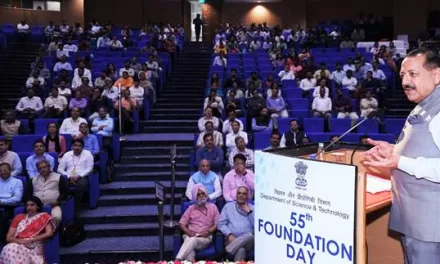
On World Suicide Prevention Day 2025, the All India Institute of Medical Sciences (AIIMS) in Delhi unveiled “Never Alone,” an innovative Artificial Intelligence (AI)-driven mental health and wellness platform targeting young adults. This initiative aims to address the alarming surge in student suicides in India and reduce the stigma surrounding mental health care. Available 24/7 via the web and WhatsApp, the program offers affordable, secure, and accessible mental health screening, intervention, and follow-up for users across the country.
Rising Suicide Rates Among Young Adults
India reported a staggering 1,70,924 suicide deaths in 2022, marking the highest toll in over fifty years. Notably, about 35% of these deaths were among young adults aged 18 to 30—the demographic the “Never Alone” app specifically targets. The scale of this crisis underscores the urgent need for innovative public health strategies to mitigate suicide risks and promote mental well-being among vulnerable populations.
Key Features of “Never Alone”
Developed under the guidance of Dr. Nand Kumar, Professor of Psychiatry at AIIMS Delhi, the “Never Alone” app integrates AI technology to enable early screening and timely intervention for mental health issues. Users can access confidential consultations virtually or offline, ensuring discretion and reducing barriers often caused by stigma. The program operates at a highly affordable cost of approximately 70 paise per student per day, making mental health support feasible even for resource-limited settings.
The app is currently operational at AIIMS Delhi, AIIMS Bhubaneswar, and the Institute of Human Behaviour and Allied Sciences (IHBAS), Shahdara. Educational institutions subscribe through AIIMS Delhi to implement the program, while a wider rollout across all AIIMS campuses in India will be provided free of charge via the Global Centre of Integrative Health (GCIH), supported by AIIMS alumnus Dr. Deepak Chopra.
Expert Insight and Public Health Context
Dr. Kumar emphasizes a public health approach to suicide prevention that calls for a paradigmatic shift in how society understands and addresses suicide-related issues. “There is a pressing need to increase the number and availability of trained mental health professionals,” he says. While mental health experts are present, stigma and lack of awareness prevent 70-80% of individuals from seeking necessary treatment.
The “Never Alone” program attempts to close this care gap by delivering stigma-free, scalable support that is both technologically advanced and culturally sensitive. By enabling easier access to mental health services and normalizing help-seeking behaviors, the app embodies an evidence-based tool to help reduce the national suicide burden.
Implications for Public Health and Individuals
For healthcare providers and policymakers, this AI-powered platform represents a significant step toward integrating digital innovation into mental health care delivery. It underscores the potential benefits of technology to facilitate early detection, personalized care pathways, and continuous follow-up—all crucial components in effective suicide prevention.
For readers and individuals, “Never Alone” highlights the importance of recognizing mental health as a critical dimension of overall well-being. The app’s affordability and anonymity may encourage young adults hesitant to seek traditional help to engage with mental health resources without fear of judgment, potentially saving lives.
Limitations and Balanced Considerations
While artificial intelligence offers promise for mental health support, experts caution that digital tools should complement—not replace—comprehensive clinical care and community support. Effectiveness depends on sustained engagement, user privacy protections, and addressing barriers like digital literacy or internet access in underserved populations.
Additionally, AI screening may not capture the nuances of complex mental health conditions, and users with severe symptoms should be referred promptly to specialized professionals. A balanced approach combining technological innovation with human empathy and expertise remains essential.
Conclusion
The launch of AIIMS Delhi’s “Never Alone” app marks a forward-thinking response to India’s critical mental health crisis among young adults. By leveraging artificial intelligence to enhance accessibility, affordability, and stigma reduction, the program offers a promising model for suicide prevention in India and beyond. Continued evaluation and integration with broader mental health systems will be vital to maximize its positive impact.
—
Medical Disclaimer: This article is for informational purposes only and should not be considered medical advice. Always consult with qualified healthcare professionals before making any health-related decisions or changes to your treatment plan. The information presented here is based on current research and expert opinions, which may evolve as new evidence emerges.
References:
-
AIIMS Delhi Launch of Never Alone App. India Today (2025). “Never Alone: AIIMS Delhi launches mental health app for young adults to curb suicides.” https://www.edexlive.com/news/2025/Sep/11/never-alone-aiims-delhi-launches-mental-health-app-for-young-adults-to-curb-suicides