 0
0
 0
0
In a significant scientific revelation with important public health implications, researchers have identified β-N-methylamino-L-alanine (BMAA), a potent neurotoxin, in several species of ancient Cycad plants growing in Odisha’s forests. This discovery has prompted new pioneering research by the All India Institute of Medical Sciences (AIIMS), Bhubaneswar, to investigate whether traditional consumption of cycad-based foods by some local communities is linked to increased neurological disease risks.
Ancient Plants, Modern Concerns
Cycads are ancient plants that have existed for over 300 million years, coexisting with dinosaurs, and are currently found in many parts of the world. Though often used today for ornamental purposes, certain cycad species contain potent toxins including cycasin, methylazoxymethanol (MAM), and BMAA, which have been associated with neurodegenerative diseases globally. For instance, populations in the Guam peninsula (USA) and the Kii peninsula (Japan) that consumed cycad products showed high incidences of debilitating neurological disorders such as Parkinsonism, motor neuron disease, and dementia.
Discovery and Research Initiative
The AIIMS Bhubaneswar research was sparked by findings of BMAA in local Odisha cycad species and the continued use of these plants in traditional dietary practices, such as the preparation of ‘pitha,’ a local rice-based cake. To explore the potential health impacts, a distinguished group of national and international scientists and medical experts convened an international workshop titled “Cycad-Related Neurological Disorders: A Multi-Dimensional Approach to Its Remediation.” This event was jointly organized by AIIMS Bhubaneswar’s Department of Neurology and the North-Eastern Hill University, Shillong.
Field visits to villages in Odisha’s Khurda and Dhenkanal districts, where tribal communities still consume cycad seeds locally known as “veru” or “aruguna,” helped experts gather firsthand data on neurological symptoms and local health impacts. Experts also engaged with patients and healthcare providers to understand the spectrum of associated neurological and other health issues.
Neurotoxins and Mechanisms
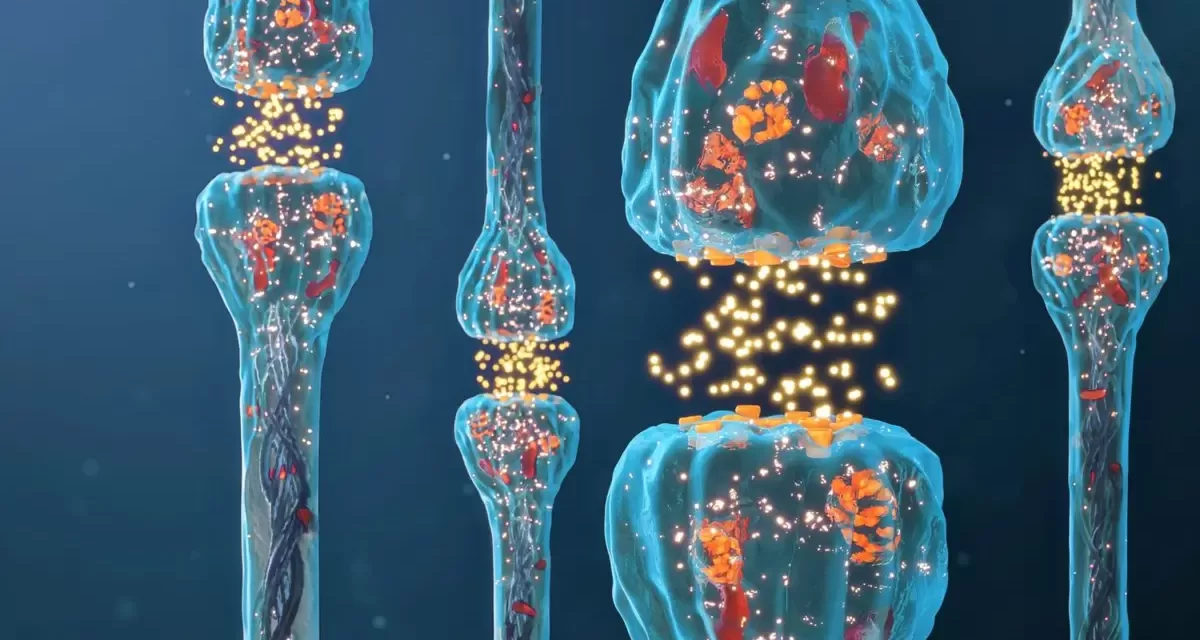
BMAA is a non-protein amino acid produced by cyanobacteria and found in various plants, including cycads. Its neurotoxicity is suspected to arise from excitotoxic effects and interference with normal brain development. Alongside cycasin and MAM, these toxins have been well studied for their role in neurodegenerative diseases. Experimental models reveal MAM can induce brain maldevelopment and structural DNA damage linked to neurological dysfunction, including phenotypes resembling epilepsy, schizophrenia, and ataxia.
These findings underscore the molecular mechanisms through which exposure to cycad toxins might promote long-term neurological damage by causing DNA and epigenetic modifications during critical brain developmental stages.
Expert Perspectives
Neuroscientist Peter S Spencer from Oregon Health and Science University, a pioneer in cycad neurotoxicology, highlighted that research in regions like Guam and Japan establishes a strong association between cycad consumption and neurodegenerative diseases. This offers a serious warning given the cultural use of cycads in Odisha. Prof. Ashutosh Biswas, Executive Director of AIIMS Bhubaneswar, praised the initiative as pioneering research crucial to understanding the toxicology of Indian cycad species and addressing public health concerns.
Public Health Implications
If a causal link between cycad consumption and neurological diseases in Odisha is established, it could lead to public health advisories recommending dietary changes and community awareness campaigns. Given the severity of diseases like Parkinson’s and motor neuron disease, preventing exposure to these toxins could reduce disease burden significantly.
For daily health decisions, readers who consume or handle cycad-based foods should exercise caution and consult healthcare professionals if experiencing neurological symptoms. Awareness of potential risks can help communities balance cultural practices and health safety.
Limitations and Challenges
While this research is a critical first step, definitive evidence linking cycad consumption to neurological disease in Odisha is pending. The complex interactions of genetics, environmental factors, and toxin exposure require robust, longitudinal epidemiological studies. Moreover, traditional processing methods may reduce but not eliminate toxin levels, necessitating detailed toxicological assessments.
Conflicting viewpoints include the argument that long-standing traditional use suggests safety, although this conflicts with emerging scientific data on neurotoxicity. Careful cultural sensitivity and scientific rigor will be essential in communicating findings and recommendations.
Medical Disclaimer
This article is for informational purposes only and should not be considered medical advice. Always consult with qualified healthcare professionals before making any health-related decisions or changes to your treatment plan. The information presented here is based on current research and expert opinions, which may evolve as new evidence emerges.
References
- https://www.prameyanews.com/index.php/aiims-bhubaneswar-initiates-pioneering-research-on-cycad-toxicology
- https://timesofindia.indiatimes.com/city/bhubaneswar/aiims-bhubaneswar-investigates-neurological-risks-linked-to-cycad-plant-based-foods/articleshow/125066732.cms