 0
0
 0
0
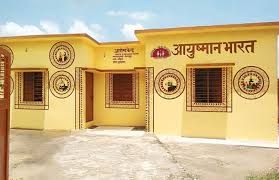
NEW DELHI — In a major step toward decentralized healthcare, Delhi Chief Minister Rekha Gupta inaugurated 81 new Ayushman Arogya Mandirs (AAMs) on Wednesday. The launch, coinciding with the festival of Makar Sankranti, expands the city’s network of primary healthcare centers to 319. This initiative aims to provide high-quality medical services directly within communities, reducing the financial and physical burden on the capital’s overcrowded tertiary hospitals.
The new facilities, primarily centered in the Hari Nagar Assembly constituency, are part of an ambitious roadmap to establish 1,100 such centers across Delhi, ensuring at least 15 centers per constituency.
Expanding the Scope of Primary Care
Unlike traditional dispensaries, Ayushman Arogya Mandirs represent a paradigm shift in Indian public health. They move away from “selective” care—which often focused solely on maternal and child health—toward Comprehensive Primary Health Care (CPHC).
According to a 2024 report in the Indian Journal of Medical Research, these centers are designed to act as the first point of contact for a wide array of ailments. The newly inaugurated centers in Delhi feature:
-
Outpatient Departments (OPD): General consultations with qualified medical officers.
-
Diagnostics: In-house testing for 100 different parameters, with plans to expand to 200.
-
Specialized Units: Maternal and child healthcare, dental care units, and vaccination centers.
-
Wellness Facilities: Dedicated yoga rooms and upcoming Panchakarma (Ayurvedic) services.
“These are not merely health centers; they are a guarantee of dignified treatment for Delhi’s citizens,” Chief Minister Gupta stated during an inspection at the Hari Nagar facility. She emphasized that the proximity of these centers would allow residents to access care “closer to their doorsteps,” effectively acting as a neighborhood-level safety net.
The Digital Leap: Mobile Appointments and Electronic Records
A standout feature of this expansion is the integration of the Ayushman Bharat Digital Mission (ABDM). Patients can now book OPD appointments and access their medical records via mobile phones.
Digital health records are a “game-changer for continuity of care,” according to independent health policy experts. By maintaining a digital history, a patient treated for hypertension at an AAM in Janakpuri can have their records seamlessly accessed if they are ever referred to a super-specialty facility like Deen Dayal Upadhyay Hospital.
“Digitization reduces the ‘information asymmetry’ between the doctor and the patient,” says Dr. Arvinder Singh, a public health consultant not involved in the government project. “It prevents the loss of vital health data and reduces redundant testing, which is a major hidden cost for low-income families.”
Statistical Context and Public Health Impact
The expansion comes at a critical time. India currently faces a dual burden of communicable diseases and a rising tide of non-communicable diseases (NCDs) like diabetes and hypertension.
-
Financial Protection: Under the Ayushman Bharat scheme, over six lakh residents in Delhi have already registered for health cards.
-
Increased Eligibility: The Delhi government has raised the income limit for the Economically Weaker Section (EWS) category from ₹2.5 lakh to ₹5 lakh, significantly widening the net of beneficiaries eligible for free treatment.
-
Systemic Relief: By treating minor ailments and managing chronic conditions at the primary level, the government expects a significant reduction in the “footfall pressure” on major hospitals like AIIMS or Safdarjung.
Challenges and Counterarguments
While the expansion is a milestone, public health researchers point to several hurdles that could impact the long-term success of the AAM model:
-
Staffing and Retention: A 2025 systematic review published in the Asia Pacific Journal of Health Management highlighted that many primary centers across India struggle with a shortage of trained healthcare workforces and disparities in service delivery.
-
Infrastructure Maintenance: Building 1,100 centers is an infrastructure feat, but maintaining diagnostic equipment and ensuring a steady supply of 108 essential medicines requires robust supply chain management.
-
Urban Awareness: Despite the physical presence of these centers, many urban residents still bypass primary care to go directly to major hospitals due to a perceived lack of quality at the local level.
Social Welfare Minister Ravindra Singh Indraj noted that the government is pairing these health initiatives with broader infrastructure development, including over ₹1,100 crore in projects in areas like Bawana, focusing on roads, sewage, and even solar-powered “model villages” to improve the overall social determinants of health.
What This Means for You
For the average Delhi resident, the launch of these 81 centers offers a more convenient way to manage daily health.
-
Screening: You can now get screened for hypertension, diabetes, and three types of common cancers (oral, breast, and cervical) for free.
-
Medication: Access to 108 essential medicines via Jan Aushadhi Kendras.
-
Convenience: The centers are typically open from 9:00 AM to 3:00 PM without a lunch break, specifically designed to accommodate working-class schedules.
As Education Minister Ashish Sood noted during the Janakpuri inauguration, the goal is to transform the perception of government healthcare from a “last resort” to a “preferred choice” for primary needs.
Medical Disclaimer:
This article is for informational purposes only and should not be considered medical advice. Always consult with qualified healthcare professionals before making any health-related decisions or changes to your treatment plan. The information presented here is based on current research and expert opinions, which may evolve as new evidence emerges.
References
- https://www.theweek.in/wire-updates/national/2026/01/14/delhi-govt-launches-81-ayushman-arogya-mandirs-to-provide-accessible-healthcare.amp.html