 0
0
 0
0
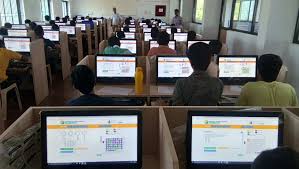
The Ministry of Education is actively exploring the possibility of conducting the National Eligibility-cum-Entrance Test Undergraduate (NEET-UG)—India’s largest medical entrance examination—in an online Computer-Based Test (CBT) format. With more than 22 lakh candidates vying for 1,08,000 MBBS and allied medical seats in 2025, this potential shift could mark a transformative moment in Indian medical education, raising vital questions on equity, security, and access for diverse aspirant groups.
Key Developments: Why Now?
Prompted by recent paper leak controversies and ongoing demands for examination reform, officials from the Ministry of Education are conducting a detailed data analysis to understand the feasibility of moving NEET-UG to an online mode. The review, undertaken in close coordination with the Ministry of Health, focuses on the impact such a shift could have on student performance, exam security, infrastructure, and whether it would disadvantage certain groups of students—particularly those with limited access to reliable digital resources.
A senior official stated, “The data is being analysed to understand if conducting the exam in CBT mode will cause loss to a certain set of students. The data is also being analysed to understand the existing infrastructure and how helpful the practice of conducting major exams in CBT mode has been, as well as whether some students faced a disadvantage or not. Once the analysis is complete, the same will be discussed with the health ministry.”
Background and Context
The NEET-UG examination, administered annually by the National Testing Agency (NTA), is currently conducted as a pen-and-paper test. Historically, this format has been seen as more accessible for students from diverse backgrounds, including those in rural areas who may lack exposure to computers or stable internet access. However, repeated instances of question paper leaks and logistical challenges in the traditional format have led to mounting calls for transitioning to a digital approach.
The 2025 NEET-UG drew over 22 lakh test-takers competing for approximately 1,08,000 MBBS, dentistry, Ayurveda, Unani, and Siddha program seats—about 56,000 in government colleges and 52,000 in private institutions.
Expert Opinion: Weighing Efficiency and Equity
-
Proponents of Online Mode:
-
Experts like Dr. Sandeep Dagar, patron of the Federation of All India Medical Association (FAIMA), argue that switching to a CBT format would enhance result processing speed, minimize human errors, and reduce the risk of logistical mishaps and paper leaks.
-
Proponents also highlight the proven success of online entrance exams in other domains, such as engineering (JEE), noting that rapid digital adoption in Indian education during the COVID-19 pandemic has prepared both educators and students for such a shift.
-
-
Concerns and Counterpoints:
-
Critics caution that moving NEET-UG online could widen the digital divide. Many rural and economically weaker students lack reliable access to computers and internet, potentially impacting their performance and overall fairness of the exam.
-
Some experts and student representatives fear increased anxiety and technical challenges for those unfamiliar with computer-based assessments. For these students, traditional pen-and-paper testing remains more comfortable and accessible.
-
Gaurav Tyagi, founder of Career Xpert, notes, “This transition will only work if the authorities ensure robust digital infrastructure nationwide. Otherwise, we risk disenfranchising a large segment of aspirants who have traditionally relied on the fairness of the paper-based system.”
Public Health and Societal Implications
Transitioning NEET-UG to an online format could have several direct and indirect effects on public health and the healthcare workforce pipeline:
-
Fairer, Faster Admissions: Online modes could streamline results, reduce delays, and facilitate faster entry of new medical students into the healthcare system—a crucial aspect as India seeks to strengthen healthcare capacity.
-
Mitigating Malpractices: Enhanced exam security could minimize the chances of leaks and malpractices that have previously delayed or compromised the test, protecting the integrity of medical admissions.
-
Equity Challenges: Unless digital access is made universally available, there’s a risk that the very communities most in need of greater healthcare representation—rural and low-income students—could find it harder to enter medical training.
-
Response to Past Controversies: The push for reform is closely linked to recent high-profile exam leaks, with government-appointed panels (including one led by former ISRO Chief R Radhakrishnan) recommending digital solutions and even multi-stage testing for added integrity.
Potential Limitations and Next Steps
-
Infrastructure Gaps: India’s digital divide, especially in rural areas, remains a significant obstacle. Effective implementation of a CBT-based NEET would require unprecedented investment in reliable power, internet connectivity, and digitally equipped centers nationwide.
-
Student Adaptation: Many current NEET aspirants have spent years preparing for pen-and-paper exams. Sudden changes in exam mode could lead to increased anxiety and learning curve challenges, potentially affecting performance and fairness.
-
Continued Deliberation: No final decision has yet been made. The Ministry of Education’s ongoing analysis aims to clarify these issues before any shift to online testing is implemented, with further consultations expected with the Ministry of Health and student stakeholders.
Practical Implications for Aspirants
For students and families, the evolving debate underscores the importance of digital literacy and equitable access to technology. Those preparing for NEET-UG should remain informed about changes and seek opportunities to familiarize themselves with computer-based test formats. Coaching institutions and policymakers must prioritize training programs and infrastructure development, especially in underserved regions.
Conclusion
The debate over NEET-UG’s future underscores the delicate balance between modernizing India’s medical admissions process and maintaining equity for all students. As deliberations continue, it is vital that reforms prioritize both security and broad accessibility, ensuring the next generation of doctors is as diverse and capable as the country they will serve.
Medical Disclaimer: This article is for informational purposes only and should not be considered medical advice. Always consult with qualified healthcare professionals before making any health-related decisions or changes to your treatment plan. The information presented here is based on current research and expert opinions, which may evolve as new evidence emerges.
References
-
Ministry of Education exploring possibility of conducting NEET-UG in online mode. Edex Live. Published September 19, 2025.