 0
0
 0
0
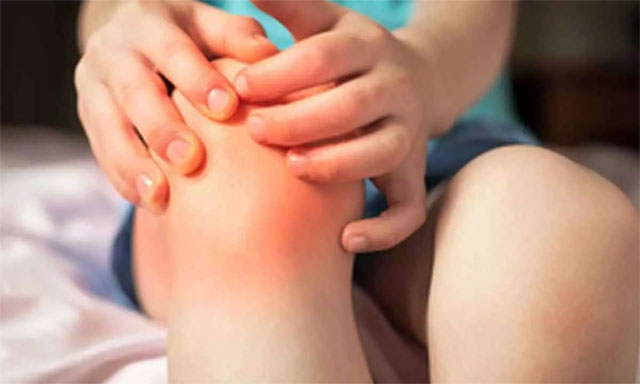
New Delhi, June 28, 2025 — A landmark national study has revealed that nearly 47% of Indians aged 45 and above are living with joint pain, and over 31% report persistent back pain. Despite the widespread prevalence, most affected individuals delay seeking medical care, often relying on over-the-counter painkillers, home remedies, or simply enduring the discomfort, experts warn. This growing trend has prompted health professionals to call the situation a “silent epidemic” and a looming public health emergency.
Widespread Pain, Delayed Care
The study, published in BMC Geriatrics, surveyed over 58,000 individuals across 36 states and union territories. It found a significant gap between the prevalence of chronic pain and the availability of structured care. Many patients only seek professional help after months or even years of suffering, by which time irreversible joint damage or disability may have occurred.
“By the time most patients walk into Nivaan Care, they’ve been in pain for months, sometimes years,” said Dr. Rohit Gulati, Pain Specialist and Associate Clinical Director at Nivaan Care. “What they truly need—and what we provide—is a comprehensive pain management approach. Our mission is not just to relieve pain, but to restore daily function and prevent recurrence.”
More Than Just Physical Pain
Experts emphasize that chronic pain is not merely a symptom, but a complex condition with far-reaching consequences. Untreated pain is associated with increased risk of cardiovascular disease, reduced mobility, higher rates of depression and anxiety, and a decline in overall daily functioning.
Dr. Sameer Gupta, Senior Interventional Cardiologist, highlighted the ripple effect of untreated pain: “Pain is often treated like an inconvenience, when in reality, it’s a gateway to disease. We regularly see patients whose mobility declines due to untreated back or knee pain, and what follows is a spike in cardiovascular risk—elevated blood pressure, stress-related arrhythmias, even cardiac events. Early pain management is not just musculoskeletal care, it’s preventive cardiology.”
Calls for Policy Change
The study’s authors and health experts are urging policymakers to recognize chronic pain as a standalone non-communicable disease (NCD), similar to diabetes or heart disease. They argue that such recognition would enable earlier diagnosis, multidisciplinary treatment, and a stronger policy focus on pain management.
Dr. Jyotsna Agarwal, Head Clinical Development at Nivaan Care, added, “Chronic pain deserves the same strategic focus as diabetes or heart disease. That’s why we built an integrated care model—bringing together pain specialists, physiotherapists, rehabilitation professionals, and behavioral experts under one roof. Because pain isn’t just physical—it affects sleep, mood, relationships, and one’s ability to live independently. Early, consistent care makes all the difference.”
The Way Forward
The study calls for a national strategy that includes public education, early intervention, and expanded access to pain management services. Without timely and comprehensive care, experts warn that millions of Indians may face avoidable disability, diminished quality of life, and increased risk of serious health complications.
Disclaimer: This article is based on findings from a national study and expert opinions as reported by The Live Nagpur and other news sources. It is intended for informational purposes only and should not be considered a substitute for professional medical advice, diagnosis, or treatment. Always consult a qualified healthcare provider with any questions regarding a medical condition.