 0
0
 0
0
The Ministry of Health and Family Welfare (MoHFW), Government of India, is organizing a nationwide Cardio-Pulmonary Resuscitation (CPR) Awareness Week from October 13 to 17, 2025. This initiative focuses on training and sensitizing the general public and healthcare professionals about CPR, a critical life-saving procedure in sudden cardiac arrest cases. The National Medical Commission (NMC) has issued a public notice urging all medical colleges and institutions to actively participate in this campaign, emphasizing the importance of building capacity for CPR across India, where bystander CPR rates are alarmingly low.
Nationwide CPR Awareness Week 2025
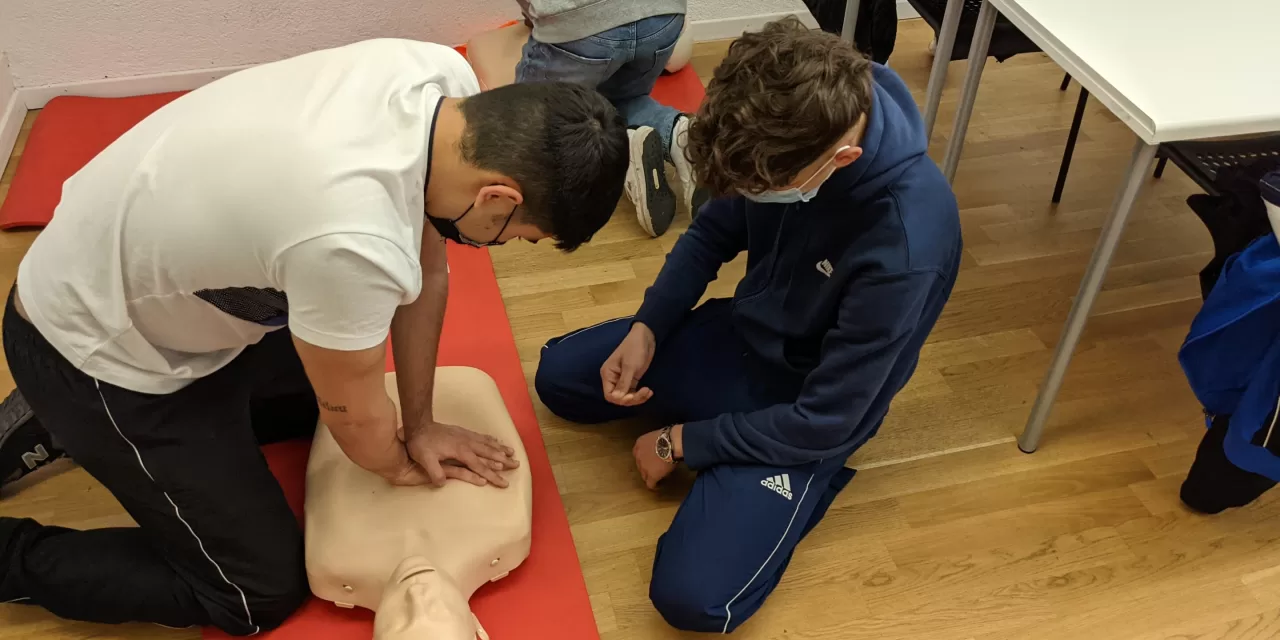
The CPR Awareness Week aims to enhance awareness, preparedness, and capacity for performing CPR among the general population. Sudden cardiac arrest remains one of the leading preventable causes of death, and timely administration of CPR by trained individuals can significantly improve survival outcomes. Compression-only CPR, which involves chest compressions without rescue breaths, is specifically highlighted as a simple and effective technique for bystanders to perform during emergencies.
Studies demonstrate that without timely CPR, brain damage can occur within minutes and that every minute’s delay reduces survival chances by approximately 10%. Immediate bystander CPR can increase survival rates by two to three times. However, while about 50% of people in high-income countries have CPR training, bystander CPR rates in India range only between 1.3% and 9.8%, underscoring a critical public health gap.
Key Activities and Engagement
The week-long program includes a blend of virtual and physical activities designed to reach various sectors and communities:
-
A nationwide pledge on CPR across all health facilities, from primary to tertiary levels, available both virtually and physically.
-
An online pan-India panel discussion scheduled for October 14, focusing on “CPR techniques and the role of bystanders.”
-
Capacity-building sessions by healthcare professionals and medical students featuring live demonstrations of compression-only CPR.
-
Public awareness initiatives such as poster making, quiz competitions, street plays, mass CPR demonstrations, and awareness booths to actively engage communities.
These activities are designed to train healthcare students, professionals, and the public on CPR techniques, the urgency of action in sudden cardiac arrests, and the empowerment of bystanders as critical first responders.
Expert Perspectives
Dr. Pradeep Khasnobis, Deputy Director General, Disaster Management Cell, MoHFW, emphasizes that increasing CPR knowledge and skills among the public is vital for reducing preventable deaths from cardiac arrest. He states, “Building capacity in CPR is not only a clinical imperative but a public health necessity. Every citizen trained in CPR potentially becomes a lifesaver.”
Independent experts in emergency medicine highlight the urgency of widespread CPR training, given India’s current low rates of bystander intervention. They advocate for integration of CPR education in school curricula, community centers, and workplaces to bridge this gap.
Public Health Context and Implications
Sudden cardiac arrest claims hundreds of thousands of lives annually in India, often outside medical facilities where immediate intervention is lacking. The CPR Awareness Week aligns with international public health goals to increase early resuscitation efforts as a critical step in improving cardiac arrest survival.
For the general public, learning compression-only CPR offers a straightforward, less intimidating way to respond during emergencies, potentially saving lives before professional help arrives. The campaign also promotes awareness on ensuring safety first—checking the environment and calling emergency services immediately.
Limitations and Challenges
While CPR training can have a profound impact, challenges remain in ensuring access to training across India’s diverse socio-economic landscape. Rural and underserved areas face barriers such as lack of trainers and resources. Additionally, misconceptions and fear of performing CPR can discourage bystander action.
Experts caution that awareness campaigns need to be sustained and accompanied by refresher trainings to maintain skill competence. Further research and data collection are necessary to track improvements in bystander CPR rates post-campaign.
Medical Disclaimer
This article is for informational purposes only and should not be considered medical advice. Always consult with qualified healthcare professionals before making any health-related decisions or changes to your treatment plan. The information presented here is based on current research and expert opinions, which may evolve as new evidence emerges.
References
- https://www.nmc.org.in/MCIRest/open/getDocument?path=%2FDocuments%2FPublic%2FPortal%2FLatestNews%2Fdocument10.pdf
- https://medicaldialogues.in/news/education/medical-colleges/nmc-tells-medical-colleges-to-join-health-ministry-organised-cpr-awareness-week-check-details-156725