 0
0
 0
0
New Delhi: The Union Minister of State for Health, Dr. Anupriya Patel, clarified in the Lok Sabha that registration on the National Medical Register (NMR) remains a voluntary process for doctors, which explains the low registration numbers since its launch. As of May 1, 2025, less than 1% of India’s 13,86,150 registered allopathic doctors had applied to be part of the NMR, about eight months after the portal went live on August 23, 2024.
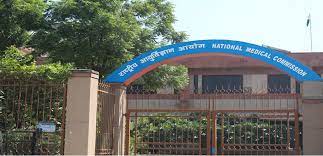
Dr. Patel responded to concerns raised by Lok Sabha member Shri Aditya Yadav, who highlighted the surprisingly low uptake and sought information on government measures to build a comprehensive registry of allopathic doctors nationwide. The minister explained that doctors must apply through the NMR portal, after which applications are first vetted by the concerned State Medical Council (SMC) where the doctor is initially registered. The SMC then forwards verified applications to the National Medical Commission (NMC) for final approval and issuance of the NMR ID.
Despite the process, the NMC has informed that out of 10,411 applications received by May 2025, 10,237 were still pending approval. Only 2 applications had been rejected, and 139 raised queries necessitating further verification. This means over 98% of applications have yet to be approved, contributing significantly to the slow registration progress.
The NMR is designed as a dynamic, centralized database integrating all MBBS doctors registered on the Indian Medical Register (IMR) with Aadhaar-based identity verification. The initiative aims to streamline doctor verification by linking medical colleges, institutions, and all State Medical Councils on a unified portal. Still, post-launch, many doctors reported difficulties registering, which may also have impacted registration rates.
In response, the NMC has urged State Medical Councils to intensify efforts to expedite the registration process. The government envisions the NMR as a transformative tool to enhance transparency, authenticity, and ease of access to verified medical professional data across India.
Disclaimer: This article is based on publicly available information and statements from the Union Ministry of Health as reported by Medical Dialogues. It is intended for informational purposes only and does not constitute professional medical advice or endorsement. Readers are encouraged to verify information independently and consult appropriate authorities for specific concerns.