 0
0
 0
0
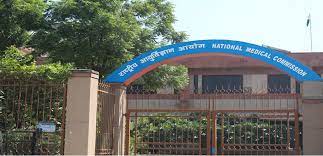
The National Medical Commission (NMC) has reported a slow start to registrations on the National Medical Register (NMR), a centralized Aadhaar-linked database launched in August 2024 to create an authentic repository of all allopathic doctors in India. By May 2025, less than 1 percent of India’s approximately 1.3 million doctors had enrolled, prompting NMC officials to commit to speeding up the process in the upcoming six months through better coordination and technology enhancements.
A Centralized Database with High Aspirations
The NMR aims to modernize and expand the existing Indian Medical Register by linking doctors’ registrations to their Aadhaar identity, thereby ensuring robust authentication and eliminating duplication. The portal was launched by Union Health Minister JP Nadda as part of efforts to have a verified, comprehensive digital database of registered medical practitioners practicing modern medicine across India.
Dr. Abhijat Sheth, the newly appointed NMC chairperson, acknowledged the slow response to registrations but outlined plans to accelerate the process. In an exclusive interview with PTI, Dr. Sheth said, “We have set up a timeline for six months where you will see a substantial increase in the numbers, and improvement with the NMR will take place.” He emphasized the need for enhanced coordination with State Medical Councils and the adoption of artificial intelligence (AI) and IT tools to streamline and boost registrations.
Current Status and Challenges
As of mid-2025, less than 1 percent of doctors—fewer than 9,000 practitioners—had registered on the platform, despite the total number of registered allopathic doctors being over 13 lakh in India. The voluntary nature of the registration process, as explained by Union Minister of State for Health Dr. Anupriya Patel, coupled with technical and administrative challenges, has contributed to the slow uptake. State Medical Councils play a critical role in screening and verifying applications before forwarding them to the NMC.
Dr. Patel highlighted that the National Medical Commission has directed State Medical Councils to intensify efforts to complete registrations, signaling a coordinated push to expand the register’s coverage.
Expert Perspectives
Dr. Ramesh Kumar, a health informatics expert not involved with the NMC, commented on the register’s significance, saying, “Having a unified, Aadhaar-linked registry for doctors is a step in the right direction for regulatory transparency and patient safety. However, the success of such initiatives depends on efficient implementation and user-friendly digital infrastructure to encourage doctors to register promptly.”
He added, “The planned integration of AI to automate verification could significantly reduce processing time and burden on regulatory bodies, but the system also needs to address concerns about data privacy and ease of access for busy medical professionals.”
Public Health and Policy Implications
A credible and up-to-date database of medical practitioners is essential for multiple health outcomes and governance measures. It can:
-
Aid patients in verifying qualifications and registration status of practitioners, thereby improving trust.
-
Facilitate health workforce planning and policy-making at the national and state levels.
-
Strengthen regulation and accountability mechanisms in medical education and practice.
-
Support disaster response and pandemic management by identifying available human resources quickly.
The slow uptake, therefore, poses risks in limiting the registry’s effectiveness in these areas. The upcoming six-month acceleration in registrations is crucial to realizing the full potential public health benefits of the NMR.
Potential Limitations and Balanced Considerations
While the NMR represents forward progress, experts caution about voluntary registration’s impact on completeness. If doctors choose not to register due to lack of awareness, technical difficulties, or privacy concerns, the database might remain incomplete or underrepresentative.
Additionally, technology-driven solutions like AI need rigorous testing to ensure fairness, transparency, and data security. There is also a need to build trust among practitioners and address any skepticism around linking identity documents for professional registration.
Practical Takeaway for Doctors and Patients
Doctors should recognize that enrolling on the NMR not only complies with regulatory evolution but also enhances professional credibility and patient trust. Healthcare consumers can look forward to more reliable resources to verify their doctors once the database is fully operational and widely adopted.
Medical Disclaimer: This article is for informational purposes only and should not be considered medical advice. Always consult with qualified healthcare professionals before making any health-related decisions or changes to your treatment plan. The information presented here is based on current research and expert opinions, which may evolve as new evidence emerges.
References
-
National Medical Commission. “National Medical Register received sluggish response, registrations to speed up in next 6 months: NMC.” Medical Dialogues, May 2025.