 0
0
 0
0
Hyderabad, June 5, 2025:
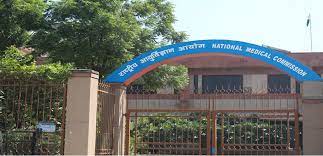
In a significant move to enhance the quality and accessibility of medical education in India, the National Medical Commission (NMC) is set to introduce a national ranking system for postgraduate (PG) medical colleges, according to Dr. B N Gangadhar, Chairman of the NMC. The announcement was made during his recent visit to Osmania Medical College, Hyderabad.
Major Reforms in Medical Education
Dr. Gangadhar highlighted that the NMC is actively working to make medical education more transparent and student-friendly. Key initiatives include:
-
National Ranking System:
The NMC is developing a dedicated website to publish annual rankings, including top 10 and top 20 lists of PG medical colleges. This aims to help students make informed choices and foster healthy competition among institutions. -
Expansion of Medical Seats:
At least 15,000 new medical seats are being added annually across the country, significantly increasing opportunities for aspiring doctors. -
Eased Infrastructure Requirements:
The minimum hospital bed requirement for new medical colleges has been reduced from 300 to 220 beds, allowing more institutions to start with 50 MBBS seats if quality standards are met. -
Introduction of New Courses:
Approximately 60 new course proposals have been submitted by medical colleges this year. Expert committees are currently reviewing these, with plans to introduce necessary courses from next year. -
Flexible Postgraduate Policies:
Government medical colleges may soon offer PG courses even without undergraduate batches—a policy that could extend to private institutions as well. -
Phased Infrastructure Development:
New colleges can commence operations with 40% of the required infrastructure, but must complete all facilities by the time their first batch graduates.
Focus on Superspecialty Training and Accountability
The NMC is encouraging institutions to offer Post-Doctoral Certificate Courses and Fellowships, with a special emphasis on superspecialty training in areas such as cancer, diabetes, and cardiovascular diseases to address the growing burden of non-communicable diseases.
To improve accountability and transparency, the NMC is implementing a facial recognition attendance system linked to Aadhaar. Faculty members are now required to maintain at least 75% attendance on working days. The new face-based Aadhaar authentication system, replacing the current fingerprint-based system, will be mandatory for all medical colleges from May 1, 2025.
NEET PG and Future Plans
Addressing the Supreme Court’s directive to hold NEET PG in a single shift for fairness, Dr. Gangadhar acknowledged the logistical challenges posed by the large number of candidates but assured that the NMC is working towards a solution.
“We remain committed to both expansion and excellence in India’s medical education landscape,” Dr. Gangadhar concluded.
Disclaimer:
This article is based on information reported by Medical Dialogues and statements made by Dr. B N Gangadhar, Chairman of the National Medical Commission. For the latest updates and official notifications, readers are advised to refer to the NMC’s official website and trusted government sources.