 0
0
 0
0
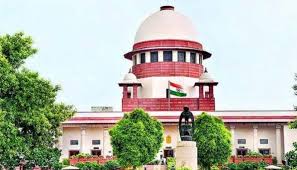
In a recent directive reflecting growing concerns over the welfare of medical interns, India’s Supreme Court has issued a sharp reprimand to the National Medical Commission (NMC) for failing to ensure timely payment of stipends to medical interns across the country. The Court characterized this lapse as “deeply concerning” and “unjustified,” specifically criticizing the NMC for non-compliance with its own July 11, 2025, circular mandating stipend payments and related disclosures. Following the Supreme Court’s censure, the Union Health Ministry has formally directed the NMC to take immediate and effective action to address the issue.
Key Developments and Judicial Intervention
The Supreme Court’s engagement began as petitions and public interest litigation highlighted widespread non-payment or delayed payment of stipends to MBBS interns, a critical concern affecting the livelihood and dignity of medical trainees who contribute significantly to healthcare services during their internship period. The Court noted that many interns had been “unjustly denied their stipends despite repeated assurances,” emphasizing this as a breach of both legal and ethical responsibilities by medical institutions and the regulatory body.
The NMC, established as the apex regulatory authority for medical education and practice, had issued a directive on July 11, 2025, requiring all medical colleges to publish their complete fee structures along with detailed disclosures of stipends paid to interns, junior residents, and senior residents on their official websites. Furthermore, the directive warned of regulatory consequences—including show-cause notices, financial penalties, suspension of admissions, and withdrawal of course recognition—against institutions failing to comply. Despite this, compliance remained erratic and enforcement lax, prompting the Court’s stern warning for the NMC to “wake up from its slumber” and implement its own regulations.
The Supreme Court ordered the NMC to file an affidavit within two weeks detailing compliance and measures taken to ensure stipend payments. The Court also directed the health ministry’s Secretary to oversee adherence to these mandates, signaling executive concern alongside judicial urgency. The NMC’s inability to furnish comprehensive information regarding all medical colleges’ stipend payment statuses further fueled the Court’s ire, underscoring systemic governance and oversight deficiencies.
Expert Perspectives
Healthcare policy experts and medical education specialists have weighed in, emphasizing the critical role of stipends in supporting medical trainees who often juggle demanding workloads and financial constraints. Dr. Babu, a health rights advocate, remarked that the Supreme Court’s directives align with upholding the dignity and motivation of future doctors, who form the backbone of the healthcare delivery system. He highlighted that the Health Ministry’s recent directive to the NMC, prompted by the Supreme Court order, represents a positive step toward accountability.
Context and Background
The issue of stipend non-payment is not new in India’s medical education landscape. An earlier survey by the NMC revealed that as of 2023, more than 60 medical colleges were either not paying any stipends or providing amounts below Rs 5,000 per month, well below living cost standards. Despite repeated advisories and notices issued by the NMC since 2023, enforcement remained inconsistent, with medical interns and postgraduate residents bearing the consequences.
The Supreme Court itself observed in past judgments that non-payment or delayed payment of stipends is akin to “bonded labour,” a grave violation of fundamental labor rights. This judicial language underscores the seriousness with which the issue is being treated at the highest levels of legal review.
Public Health Implications
The failure to remunerate medical interns adequately threatens more than just individual welfare; it potentially compromises the quality and availability of vital healthcare services. Interns form an essential workforce supplement in hospitals, especially in public health settings. Financial insecurity and resultant dissatisfaction among this workforce may lead to demotivation, decreased clinical performance, and attrition, adversely affecting healthcare delivery to the public.
Ensuring timely stipend payments conveys institutional respect and financial support that can enhance morale, retention, and ultimately, patient care outcomes. Strengthened regulatory enforcement by bodies like the NMC, encouraged by judiciary and executive oversight, is critical to safeguarding these public health interests.
Limitations and Counterarguments
While the directive and enforcement efforts are commendable, some medical colleges cite budgetary constraints and administrative bottlenecks as challenges to prompt stipend disbursements. Additionally, inconsistent stipend policies across states or institutions may complicate uniform enforcement. It remains imperative that remedial actions consider such realities alongside firm compliance demands to achieve sustainable resolution.
Medical Disclaimer
This article is for informational purposes only and should not be considered medical advice. Always consult with qualified healthcare professionals before making any health-related decisions or changes to your treatment plan. The information presented here is based on current research and expert opinions, which may evolve as new evidence emerges.
References
-
Supreme Court of India orders on stipend payment to medical interns, October 27–29, 2025. Available at: https://www.dailypioneer.com/2025/india/sc-raps-nmc-over-nonpayment-of-stipend-to-medical-interns-orders-compliance-in-2-weeks.htmldailypioneer