 0
0
 0
0
May 16, 2025 – Across India, citizens, healthcare workers, and government agencies are marking National Dengue Day, a dedicated annual event aimed at raising awareness about dengue fever, its prevention, and control. This year’s theme, “Act early, stop dengue: clean environment, healthy life,” underscores the urgent need for proactive measures and community participation to curb the spread of this mosquito-borne disease.
Understanding Dengue: A Persistent Public Health Challenge
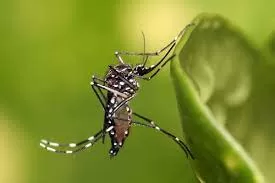
Dengue fever is a viral illness transmitted primarily by the bite of the female Aedes aegypti mosquito. The disease is especially prevalent in tropical and subtropical regions, making India particularly vulnerable during the monsoon and post-monsoon seasons. Dengue is caused by four closely related viruses-DENV-1, DENV-2, DENV-3, and DENV-4. A person can be infected multiple times, each time by a different strain.
Symptoms of dengue typically appear 4-5 days after being bitten by an infected mosquito and may include high fever, severe headache, pain behind the eyes, joint and muscle pain, rash, and mild bleeding. In severe cases, dengue can progress to dengue hemorrhagic fever or dengue shock syndrome, both of which can be life-threatening.
Diagnosis and Treatment
Dengue is diagnosed through laboratory tests such as the NS1 antigen test or polymerase chain reaction (PCR). Currently, there is no specific antiviral treatment for dengue. Management focuses on supportive care, including adequate hydration, rest, and pain relief. Early detection and proper medical care are crucial to reducing the risk of complications.
Prevention: The Power of Cleanliness and Vigilance
In line with this year’s theme, health authorities emphasize the importance of environmental cleanliness and early action:
-
Eliminate stagnant water: Mosquitoes breed in standing water. Regularly empty, clean, or cover water storage containers.
-
Maintain hygiene: Keep homes and surroundings clean to prevent mosquito breeding.
-
Protect yourself: Wear long-sleeved clothing, especially during dawn and dusk when mosquitoes are most active.
-
Use repellents: Apply mosquito repellents containing DEET, Picaridin, or IR3535 as recommended by the World Health Organization (WHO).
-
Utilize nets and screens: Sleep under mosquito nets and use window screens to keep mosquitoes out.
Government and Community Action
The Ministry of Health and Family Welfare, in collaboration with state governments, is conducting awareness drives, distributing informational materials, and organizing community clean-up campaigns. Schools and local organizations are also participating by educating children and families about dengue prevention.
Looking Ahead
National Dengue Day serves as a timely reminder of the collective responsibility to keep our environment clean and take preventive measures. Early action, community involvement, and sustained public health efforts are key to reducing the burden of dengue in India.
Disclaimer:
This article is for informational purposes only and is based on publicly available sources, including the Free Press Journal. It is not a substitute for professional medical advice, diagnosis, or treatment. If you suspect you have dengue or any related symptoms, please consult a qualified healthcare provider immediately.
Citations: