 0
0
 0
0
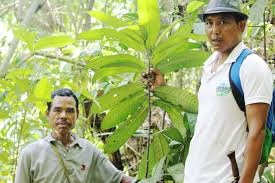
Scientists from Nagaland University and Assam Down Town University have made a significant breakthrough in medicinal plant research by unveiling the pharmacological potential of Goniothalamus simonsii, a rare and endangered species native to the forests of Meghalaya, India. This plant has traditionally been used by indigenous communities to manage ailments such as gastrointestinal complaints, throat irritation, typhoid fever, and malaria. However, its scientific properties had not been formally studied until now.
Led by Dr. Mayur Mausoom Phukan, an assistant professor at Nagaland University’s Department of Forestry, the research team carried out the first comprehensive scientific investigation of Goniothalamus simonsii. Their findings were published in the October 2025 issue of Chemistry and Biodiversity, a respected peer-reviewed journal specializing in natural products and biological diversity.
Key Findings
The study reveals that Goniothalamus simonsii harbors a rich concentration of bioactive phytochemicals, natural compounds that demonstrate multiple beneficial biological activities. Laboratory analyses showed potent antioxidant, anti-inflammatory, antimicrobial, antidiabetic, and anticancer effects emanating from extracts of various parts of the plant. Notably, the plant displayed strong antiproliferative activity against colon cancer cells in vitro, indicating potential as a source for developing natural anticancer drugs.
Using advanced analytical chemistry and computational modeling, researchers illustrated how certain compounds from the plant interact with cancer-related proteins to inhibit tumor growth pathways. This integrative approach combined ethno-medicinal wisdom with modern biotechnology, identifying valuable molecular candidates for drug development.
Expert Commentary
Prof. Jagadish K. Patnaik, Vice Chancellor of Nagaland University, hailed the study for its dual contribution to both conserving an endangered species and validating traditional knowledge through modern science. “Our researchers are not only enhancing conservation understanding but also paving the way for biodiversity-driven healthcare innovations,” he stated.
Dr. Phukan highlighted the urgency of this research amid mounting challenges posed by antibiotic resistance and side effects of synthetic medications globally. “India’s rich and diverse medicinal plant heritage holds immense promise for affordable, accessible therapies. This study affirms that nature-based compounds, such as those found in Goniothalamus simonsii, can inspire new treatments,” he explained.
Context and Public Health Implications
The rise of chronic diseases and antimicrobial resistance worldwide demands novel therapeutic approaches. Natural products, especially from traditional medicinal plants, remain an underexplored reservoir of potential drugs. However, sustainable use and conservation are critical, particularly for endangered species like Goniothalamus simonsii, currently restricted to limited habitats and facing decline largely due to lack of awareness and habitat loss.
This study thus supports conservation efforts by scientifically documenting the plant’s medicinal importance, which could incentivize local and governmental actions toward protection and cultivation.
Limitations and Future Directions
While the in vitro results against cancer cells are promising, the researchers acknowledge the need for further validation through in vivo and clinical studies. Effectiveness, safety, dosage, and mechanisms must be rigorously evaluated before any therapeutic use can be recommended.
Additionally, the complex interplay of compounds in whole-plant extracts versus isolated phytochemicals requires detailed investigation to optimize drug formulation. The endangered status of the plant also imposes constraints on large-scale harvesting, necessitating sustainable cultivation strategies.
Practical Takeaways for Readers
For health-conscious consumers, this research underscores the value of biodiversity and traditional medicine as complementary to modern healthcare. However, it is crucial to rely on scientifically validated therapies and consult qualified healthcare providers before considering any herbal or natural remedies.
The discovery also serves as a reminder of the importance of environmental conservation—not only for ecological balance but also as a foundation for future health innovations.
Medical Disclaimer
This article is for informational purposes only and should not be considered medical advice. Always consult with qualified healthcare professionals before making any health-related decisions or changes to your treatment plan. The information presented here is based on current research and expert opinions, which may evolve as new evidence emerges.
References
- https://www.syllad.com/nagaland-university-scientists-unlock-cancer-fighting-secrets-of-meghalayas-endangered-medicinal-plant/
- https://www.easternmirrornagaland.com/nagaland-university-researchers-unlock-medicinal-secrets-of-endangered-goniothalamus-simonsii