 0
0
 0
0
VIJAYAWADA — The medical community in Andhra Pradesh is in mourning following the sudden and suspicious death of a final-year post-graduate student at the Government General Hospital (GGH) in Vijayawada. Battula Deepika, a specialist trainee in the Department of Anaesthesia, was discovered unresponsive in an operating theatre early Thursday morning, sparking a high-level investigation into hospital safety, administrative oversight, and the high-pressure environment of medical residency.
The incident has drawn immediate attention from state officials, including Health Minister Satya Kumar Yadav, who has called for a rigorous inquiry to determine whether the tragedy was the result of a medical accident, underlying health issues, or more systemic issues such as workplace harassment or fatigue.
A Night Shift Turned Tragic
According to preliminary police reports and hospital records, Dr. Deepika began her scheduled duty at 4:00 p.m. on Wednesday. Witnesses and colleagues state the evening proceeded normally until roughly 8:00 p.m.
“She mentioned feeling hungry and asked a classmate to bring her food,” noted Hospital Superintendent Dr. A. Yedukondala Rao during a press briefing. Shortly thereafter, Dr. Deepika reportedly complained of acute abdominal pain. In a detail that has become a focal point for investigators, she requested a junior medic to administer an injection to alleviate the discomfort.
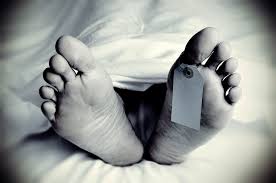
Hours later, Dr. Deepika was found lying on a table inside the operation theatre. Despite immediate intervention and the administration of Cardiopulmonary Resuscitation (CPR) by her colleagues—experts in the very field of anaesthesia and emergency care she was studying—she could not be revived.
The Investigation: CCTV and Post-Mortem Clarity
The Vijayawada Police, led by Commissioner Rajasekhar Babu, have secured the premises and are currently reviewing CCTV footage to reconstruct the final hours of the medic’s life.
The focus of the medical investigation lies in two areas:
-
The Injection: Authorities have recorded the statement of the junior medic who administered the medication. The specific substance, dosage, and whether it was a standard treatment for abdominal pain are currently under scrutiny.
-
The Post-Mortem: While preliminary findings are inconclusive, the official cause of death is pending a comprehensive toxicology and forensic report.
“We are looking at all angles,” said Dr. Rao. “An internal committee has been constituted to conduct a parallel inquiry. We are specifically investigating whether there were any signs of professional or personal harassment that could have contributed to this tragic outcome.”
Expert Perspective: The Vulnerability of the ‘Healer’
While the specific cause of Dr. Deepika’s death remains under investigation, the incident has reignited a national conversation regarding the health and safety of resident doctors in India.
“The death of a young doctor in an operating theatre is a sobering reminder of the physical and mental tolls of medical residency,” says Dr. Aranya Sharma, a senior consultant in Health Systems Policy (not involved in the case). “While we must wait for the forensic results, we cannot ignore that PG students often work 80 to 100 hours a week, which can lead to self-medication or delayed treatment for their own acute symptoms.”
Statistics from the Indian Medical Association (IMA) have previously highlighted that nearly 75% of doctors in India face some form of workplace stress or violence, and the prevalence of burnout among PG students is significantly higher than in the general population.
Public Health and Institutional Implications
The Minister for Health, Satya Kumar Yadav, expressed his profound shock and has personally assured Dr. Deepika’s father of a transparent investigation. The NTR District Collector has also demanded an immediate report from the hospital administration.
For the public and the medical fraternity, this case raises critical questions about the “culture of silence” regarding the health of healthcare workers.
-
Self-Prescribing Risks: The incident highlights the dangers of informal medical treatments within a hospital setting.
-
Workplace Safety: The internal inquiry will determine if the “suspicious circumstances” involve any breach of hospital security or protocol.
-
Mental Health Support: The committee is tasked with evaluating the psychological environment of the Anaesthesia Department to rule out systemic harassment.
Balancing the Narrative: Limitations and Unknowns
It is vital to note that at this stage, no evidence has surfaced to confirm foul play or a specific medical error. Abdominal pain followed by sudden cardiac arrest can be caused by a myriad of natural conditions, including pulmonary embolism, undiagnosed cardiac arrhythmias, or acute anaphylaxis (a severe allergic reaction).
“We must avoid speculation until the toxicology report is released,” warns Dr. Sharma. “Sepsis or a ruptured ectopic pregnancy are also medical possibilities that can present with sudden abdominal pain and rapid decline. The investigation must be scientific and objective.”
Moving Forward
As the GGH Vijayawada committee proceeds with its internal inquiry, the medical community remains on edge. The loss of a final-year PG student represents not only a personal tragedy for the Battula family but also the loss of a highly trained professional just months away from serving the public as a specialist.
The final report from the police and the medical board is expected within the coming week, which will hopefully provide the clarity needed to bring closure to this distressing event.
Medical Disclaimer: This article is for informational purposes only and should not be considered medical advice. Always consult with qualified healthcare professionals before making any health-related decisions or changes to your treatment plan. The information presented here is based on current research and expert opinions, which may evolve as new evidence emerges.
References
https://tennews.in/female-medic-dies-under-suspicious-circumstances-at-vijayawada-hospital/